

Why Are More Young Men Losing Their Hair? A Deeper Look at Modern Lifestyle and Biology
Introduction: A Silent Shift
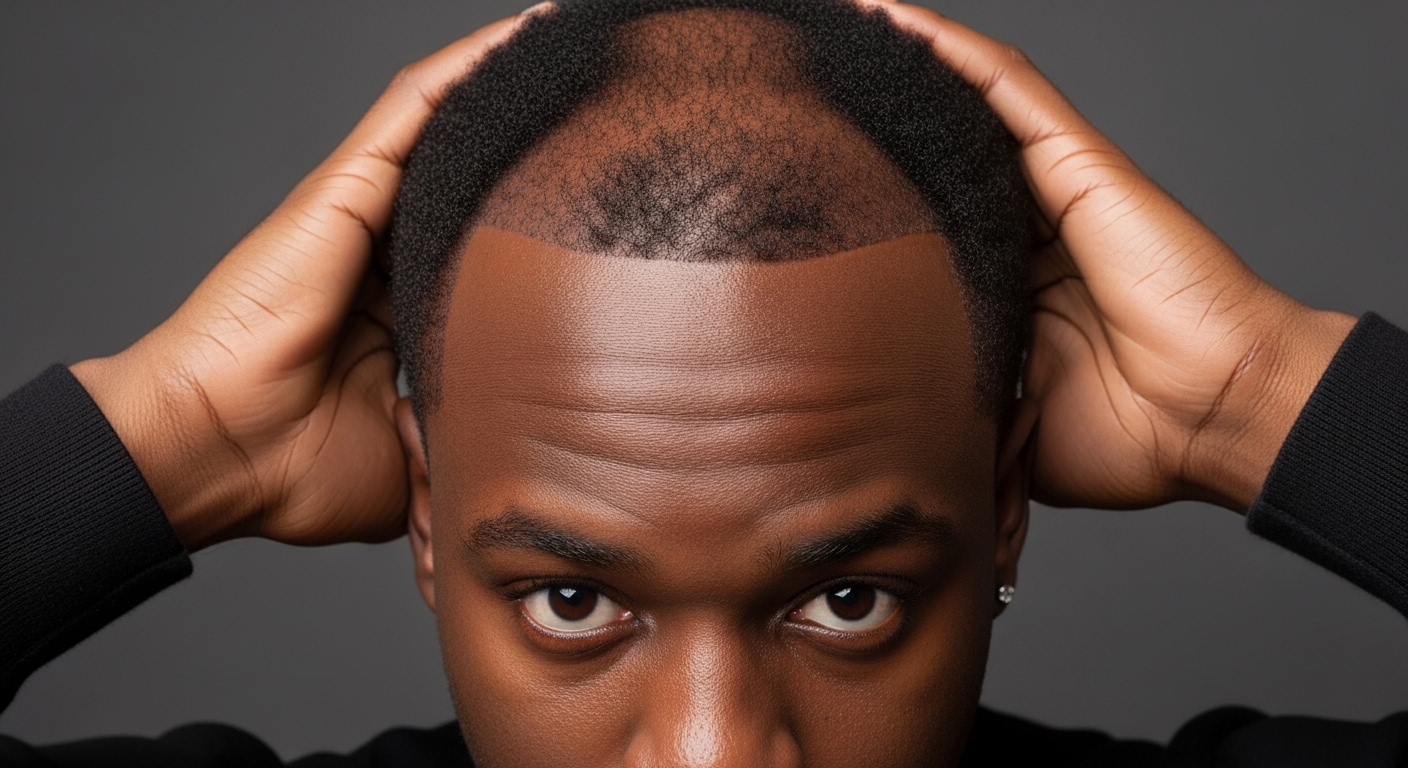
Across cities, campuses, and digital spaces, a subtle but noticeable pattern is emerging: more young men are experiencing receding hairlines and thinning crowns earlier than previous generations. What was once associated with middle age is now appearing in men in their late teens and twenties.
At first glance, the explanation seems simple – “it’s genetics.” But this explanation, while partially true, is incomplete. A growing body of scientific research suggests that modern hair loss is not just inherited—it is amplified, accelerated, and shaped by lifestyle, biology, and environment.
To understand why more young men are losing their hair, we must look beyond myths and examine the intersection of genetics, hormones, diet, stress, and modern living.
The Biological Core: Genetics and Hormones
At the center of male hair loss lies a condition known as androgenetic alopecia (AGA) – commonly referred to as male pattern baldness.
Scientific literature consistently identifies this as the dominant cause of hair loss in men. It is driven by a combination of genetic predisposition and hormonal activity.
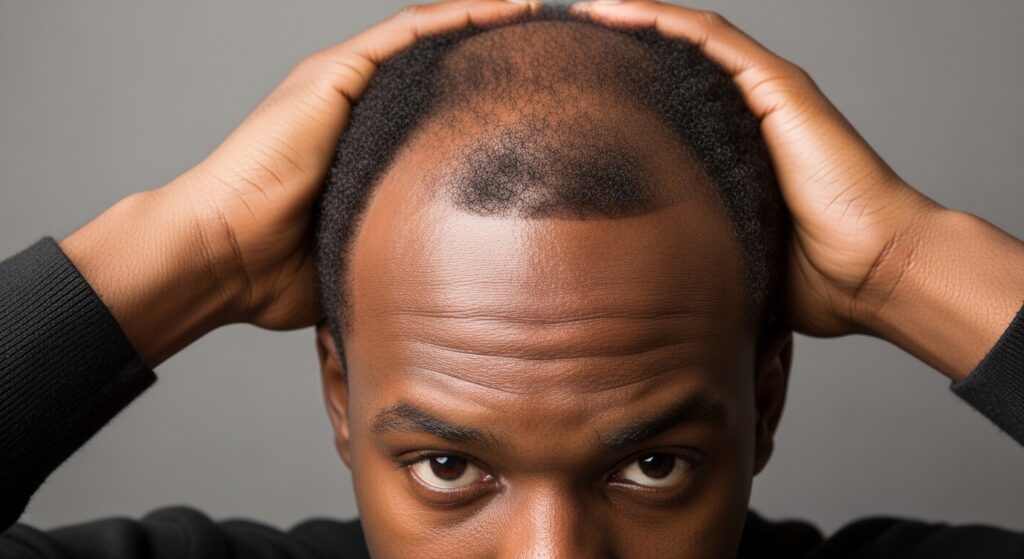
The key hormone involved is dihydrotestosterone (DHT), a derivative of testosterone. In genetically susceptible individuals, DHT binds to receptors in hair follicles – particularly at the temples and crown – causing them to gradually shrink in a process known as follicular miniaturization.
Over time:
- Hair becomes thinner
- Growth cycles shorten
- Follicles eventually stop producing visible hair
This is why hairlines recede and bald spots form.
However, this biological mechanism alone does not explain why hair loss appears earlier or more aggressively today.
The Genetic Myth: It’s Not That Simple
For decades, baldness was framed as a straightforward inherited trait—often blamed on one’s maternal lineage. But modern genetic research has challenged this simplicity.
Hair loss is now understood to be polygenic, meaning it is influenced by multiple genes interacting across different biological pathways.
This means:
- Two men with similar family histories may experience vastly different outcomes
- Environmental and lifestyle factors can activate or accelerate genetic tendencies
In other words:
Genetics loads the gun. Lifestyle pulls the trigger.
The Modern Lifestyle Factor: Accelerating Hair Loss
While genetics sets the stage, modern life appears to be intensifying the process.
1. Diet and Metabolic Health
Emerging research suggests a link between diet and hair loss. A study published in Trends in Food Science & Technology associated androgenetic alopecia with high-glycaemic, high-cholesterol diets and low mineral intake.
Additionally:
- Nutrient deficiencies (iron, zinc, B vitamins) can impair hair growth
- Over-supplementation of certain vitamins can also trigger hair loss
Even more compelling, Mendelian randomization studies have found causal relationships between dietary patterns and hair loss risk, suggesting nutrition is not just correlated – but potentially influential.
This raises an uncomfortable possibility:
Modern diets – processed, imbalanced and nutrient-poor – may be accelerating a genetically driven condition.
2. Stress and the Biology of Pressure
Stress is often dismissed as a vague explanation, but research shows it has measurable biological effects.

- Stress can increase androgen activity, potentially worsening hair loss
- High stress levels are linked to hair-shedding conditions like telogen effluvium
- Studies connect oxidative stress to early-onset hair loss in young men
Modern life – characterized by:
- Economic pressure
- Academic competition
- Digital overstimulation
may be creating a physiological environment where hair loss progresses faster than it would naturally.
3. Lifestyle Risks: Smoking, Alcohol and Inflammation


Research also highlights behavioral factors that can accelerate hair loss:
- Smoking has been linked to premature baldness, likely due to impaired blood flow to hair follicles
- Heavy alcohol use and chronic stress are associated with increased hair loss rates
- Diets high in inflammatory foods may worsen androgenetic alopecia through oxidative stress pathways
These findings point to a broader reality:
Hair loss may reflect not just genetics – but overall systemic health.
The Health Signal Hypothesis: Is Baldness a Warning Sign?
Some studies suggest that early hair loss may correlate with other physiological markers.
For example:
- Young men with frontal baldness have been found to show higher cholesterol and blood pressure levels
While not definitive, this raises an intriguing possibility:
Early hair loss may not just be cosmetic – it could signal underlying metabolic or cardiovascular changes.
Why It Feels More Common Today
It is important to separate perception from reality.
Hair loss may not necessarily be more common – but it is:
- Happening earlier
- More visible
- More psychologically impactful
Several factors contribute to this:
1. Earlier Onset
Hair loss can begin shortly after puberty and is increasingly observed in men in their 20s.
2. Increased Awareness
Social media, dating culture and visual identity have amplified awareness and anxiety around appearance.
3. Psychological Impact
Studies show young men with hair loss experience higher anxiety and lower self-esteem compared to their peers.
The African Context: An Overlooked Dimension
In African societies, conversations around male grooming, health, and aesthetics are evolving rapidly.
Urbanization, dietary shifts, and increased exposure to global beauty standards may be:
- Changing lifestyle patterns
- Increasing stress levels
- Heightening awareness of physical appearance
Yet, scientific research specifically focused on African populations remains limited—highlighting a gap that deserves attention.
Conclusion: More Than Just Hair
The question “Why are more young men losing their hair?” does not have a single answer.
Instead, it reveals a complex interaction between:
- Biology (genes and hormones)
- Lifestyle (diet, stress, habits)
- Modern environment (urban life, psychological pressure)
Hair loss, in this context, becomes more than a cosmetic issue—it becomes a reflection of how modern life interacts with human biology.
And perhaps the deeper question is not just:
“Why are young men going bald?”
But rather:
“What is modern life doing to the human body – and what are we ignoring?”
References
- National Institutes of Health (NIH) – Androgenetic Alopecia studies
- NCBI Endotext – Male androgenetic alopecia overview
- Trends in Food Science & Technology – Diet and baldness research
- MDPI & Frontiers in Nutrition – Dietary and inflammatory links to hair loss
- Cleveland Clinic & clinical dermatology resources on DHT and AGA
- HealthDirect & global medical sources on prevalence and progression
- Various clinical and observational studies on stress, smoking, and hair loss