

South Africa’s Xenophobia Crisis: Why South Africa Is Turning Against Africans
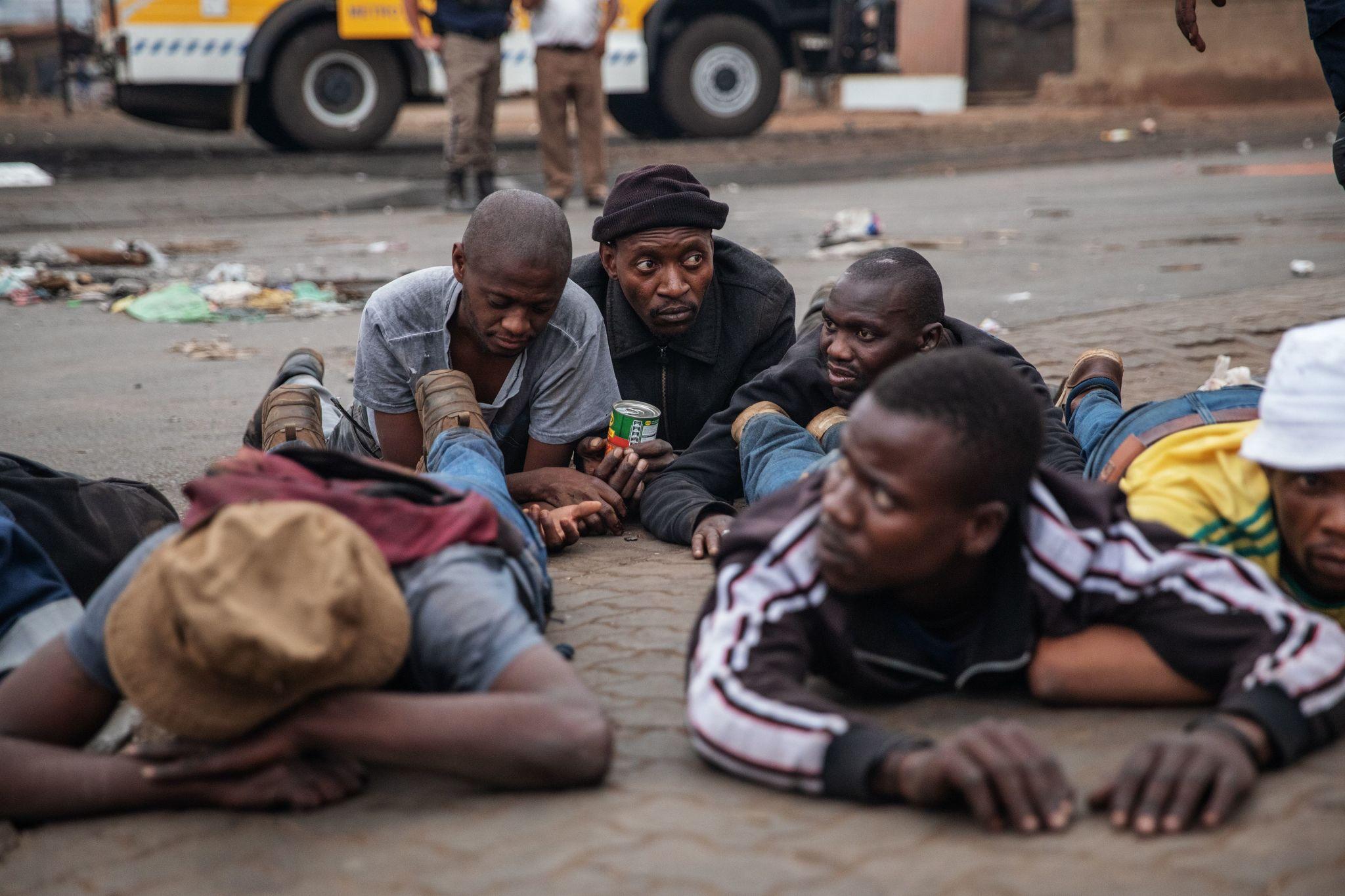
South Africa is once again confronting a resurgence of xenophobic violence, with foreign nationals increasingly targeted in cycles of unrest that have become disturbingly familiar. What often begins as localized tension quickly escalates into looting, displacement and destruction, exposing deep fractures within communities. Beyond the immediate violence, this crisis reflects broader structural pressures – economic hardship, political strain and social fragmentation, that continue to fuel hostility toward migrants across the country.
When Economic Pain Turns Into Violence
It begins the same way almost every time. A rumor spreads through a township. A grievance, sometimes real, sometimes exaggerated, gains momentum. Within hours, shops owned by foreign nationals are shuttered or burning. Streets that once carried the noise of daily trade become scenes of chaos. Police arrive late, often overwhelmed, and by the time order is restored, livelihoods are destroyed.
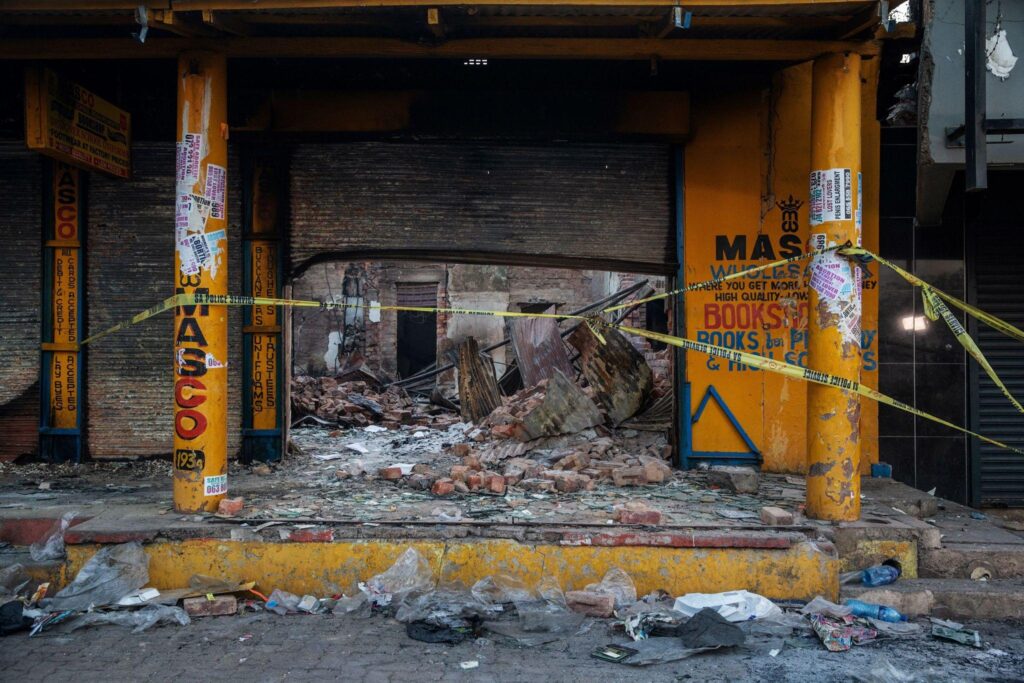
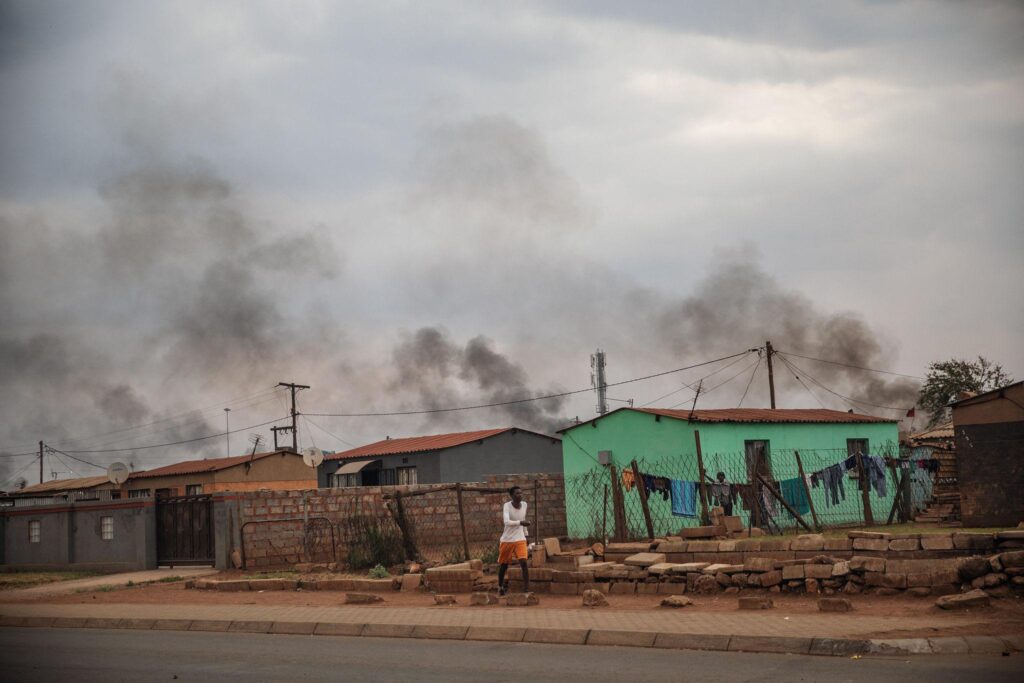
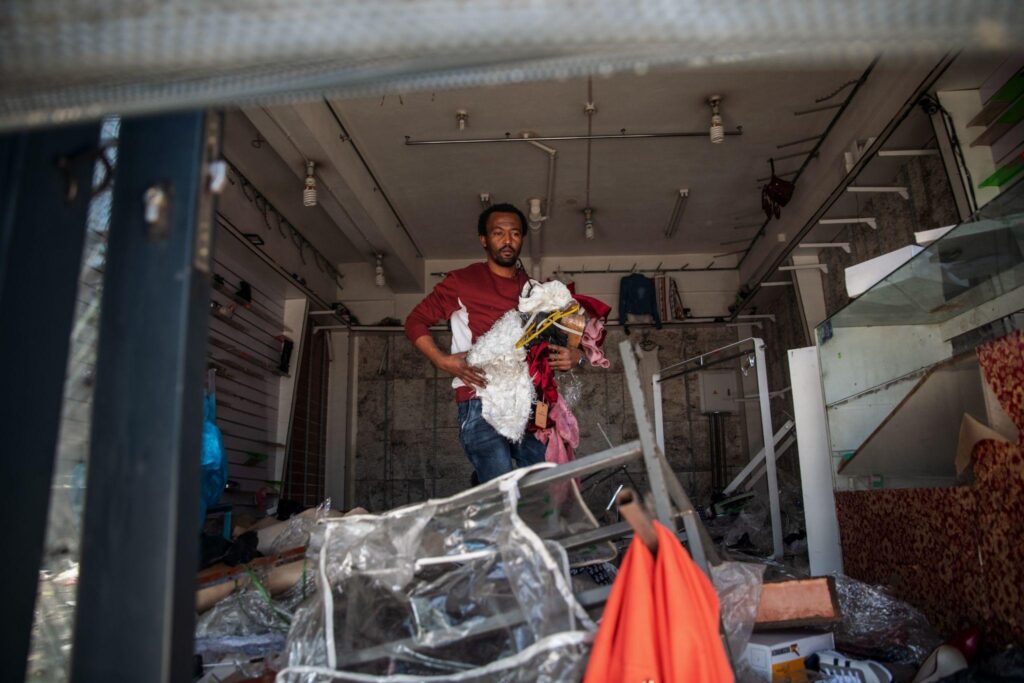
This is not a new story in South Africa. It has repeated itself over the years, from the deadly outbreaks of 2008 to subsequent waves in 2015, 2019 and beyond. Each episode sparks outrage, condemnation, and promises of action. Yet the cycle continues.
The persistence of these attacks raises a deeper question. This is not just sporadic violence. It is a pattern rooted in something far more complex than anger alone.
A Question Africa Finds Uncomfortable
Why are Africans turning against other Africans?

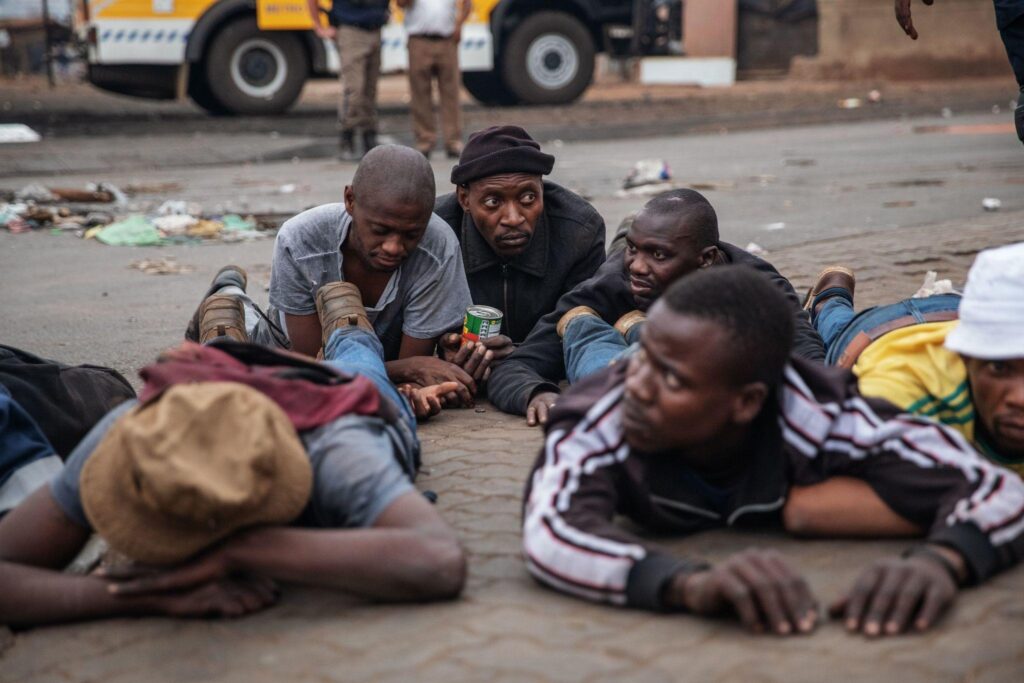
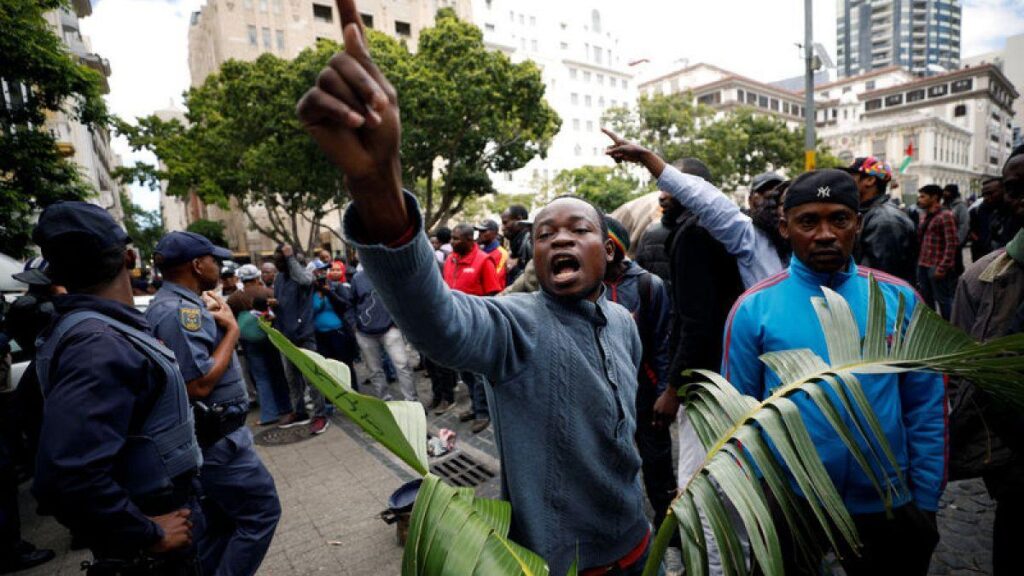
It is a question that unsettles the very idea of continental unity. For decades, the vision of a connected and cooperative Africa has been promoted in political speeches and regional agreements. Institutions like the African Union have emphasized solidarity, integration, and shared progress.
But on the streets of Johannesburg, Durban, and other urban centers, a different reality often unfolds. Migrants from Zimbabwe, Somalia, Nigeria, Ethiopia, and elsewhere find themselves targeted not as neighbors, but as competitors. The language of unity collapses under the weight of daily survival.
The Economic Pressure Cooker
To understand xenophobia in South Africa, one must begin with the economy.
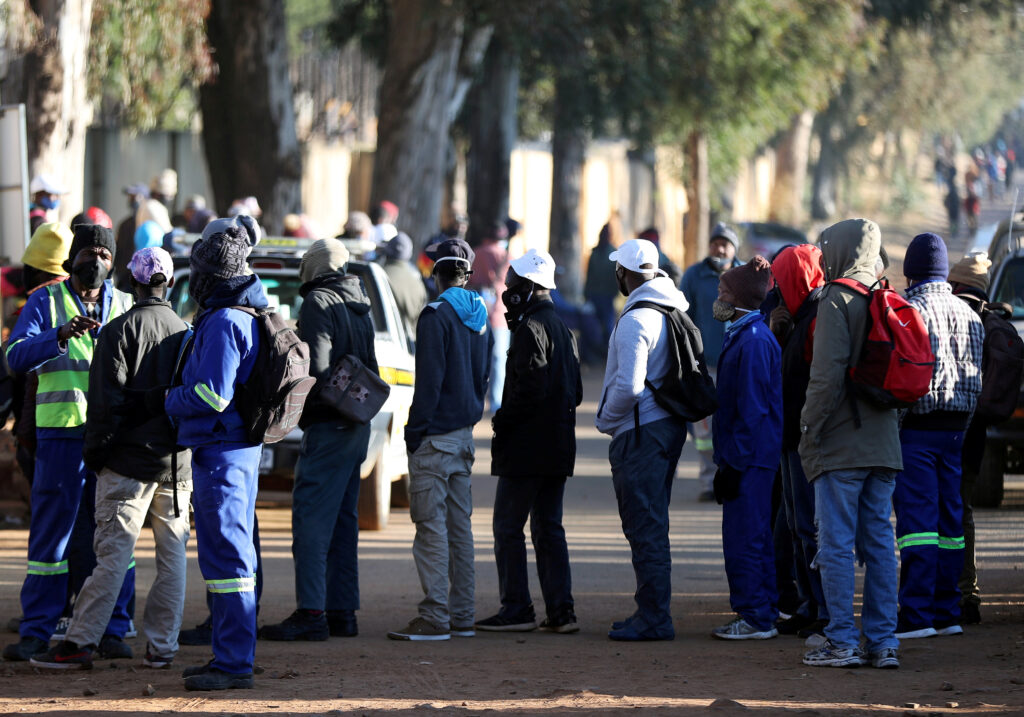
The country faces one of the highest unemployment rates in the world, particularly among the youth. For millions, the promise of post-apartheid prosperity has not materialized. Inequality remains deeply entrenched, and access to stable income is limited.
In this environment, the informal economy becomes a lifeline. Small shops, street vending and low-capital businesses are often the only accessible means of survival. It is here that many foreign nationals operate successfully, sometimes offering lower prices or longer working hours.
For struggling locals, this creates a perception that foreigners are “taking opportunities.” Whether accurate or not, perception becomes reality in conditions of scarcity. Economic frustration begins to seek a target and migrants – visible, accessible and often without strong protection – become the easiest one.
But the data tells a more complicated story. Many migrant-run businesses contribute significantly to local economies. They create supply chains, generate employment and provide affordable goods in underserved areas. Yet these contributions are often overshadowed by narratives of competition and exclusion.
Leadership and the Politics of Blame
Economic hardship alone does not automatically lead to violence. It must be shaped, directed, and sometimes inflamed.
Political rhetoric in South Africa has, at times, walked a dangerous line. While some leaders condemn xenophobia outright, others frame migration as a central cause of economic strain. This framing may resonate with frustrated citizens, but it also legitimizes suspicion and resentment.
When leadership fails to clearly separate structural problems from scapegoats, it creates space for hostility to grow. Communities begin to act on the belief that removing foreigners will solve their problems. History has repeatedly shown that it does not.
Instead, the cycle deepens. Businesses are destroyed, trust erodes and economic activity suffers further.
The Lives Behind the Labels
Lost in the headlines are the human stories.
A Somali shop owner who built his business from nothing. A Zimbabwean worker sending money home to support family. A Nigerian trader navigating complex legal and social barriers to earn a living.
These individuals are often portrayed as a collective problem rather than as people with individual journeys, risks and contributions. When violence erupts, it is not abstract. It is deeply personal. It means lost income, displacement, injury, and sometimes death.
Understanding xenophobia requires acknowledging this human dimension. Without it, the issue becomes easier to ignore, easier to simplify, and easier to repeat.
The Collapse of an Idea
Xenophobia in South Africa represents more than localized conflict. It signals a fracture in the broader idea of Pan-Africanism.
For generations, African unity has been framed as both a political and moral imperative. The struggle against colonialism and apartheid was supported by solidarity across borders. Many African nations stood with South Africa during its darkest years.
Today, that history stands in contrast to present tensions. The question is no longer about shared struggle, but about shared survival. When economic systems fail to deliver inclusive growth, identity becomes narrower. National belonging begins to outweigh continental identity.
This is not unique to South Africa. It is a warning sign for the continent.
The Counter Narrative
Any serious analysis must also confront a difficult truth. Many South Africans feel abandoned.
They face limited job opportunities, rising costs of living and inadequate public services. In some communities, frustration has built over years with little visible improvement. When people feel unheard and unsupported, their grievances do not disappear. They intensify.
To dismiss these concerns outright would be a mistake. Xenophobia cannot be addressed without addressing the conditions that fuel it. The challenge is to separate legitimate economic frustration from harmful conclusions about who is to blame.
What Comes Next
If current conditions persist, xenophobia will not simply fade. It will evolve.
Urbanization, population growth, and continued migration across African borders will increase pressure on cities and resources. Without effective policy responses, tensions are likely to intensify, not just in South Africa, but in other parts of the continent facing similar dynamics.
The solution lies not in denial or condemnation alone, but in addressing root causes. Economic inclusion, job creation, fair competition, and responsible political leadership are essential. So too is a renewed effort to rebuild trust between communities.
A Mirror, Not an Exception
South Africa’s xenophobia crisis is often treated as an isolated issue. It is not.
It is a mirror reflecting broader challenges across Africa: inequality, governance gaps and the fragile balance between identity and survival. What is happening in South Africa today could emerge elsewhere tomorrow under similar conditions.
The question is not only why xenophobia exists, but whether the continent is prepared to confront the realities that sustain it.
Because if economic pain continues to seek an outlet, it will not stop at borders.