

Why Gen Z is Fleeing Modern Churches

In an unexpected turn of events, Generation Z – often characterized as the most secular generation in history – is experiencing what researchers are calling a “spiritual renaissance.” Yet paradoxically, while their interest in spirituality grows, their attendance at traditional churches plummets. This phenomenon has left many religious leaders scratching their heads, but a closer examination reveals a stark truth: modern Christianity is failing to deliver what young seekers desperately need.
Recent surveys indicate that while church attendance among Gen Z has dropped by nearly 40% over the past decade, interest in spirituality, meditation, and religious exploration has actually increased. Survey after survey reveals that Gen Z is one of the most spiritually curious generations in recent memory. They journal prayers, host late-night discussions on the existence of God, consume theology podcasts and scroll through scripture commentary on social media at midnight.
Yet on Sunday mornings, the pews where they once sat are empty. In their place, a new identity is forming — Gen Z is converting to Islam, embracing atheism, identifying as agnostic or crafting personal spiritual frameworks that exist entirely outside any institution. Many young people are finding their way to Islam, while others identify as atheists or agnostics, still others explore New Age spirituality or syncretic belief systems. What’s driving this exodus?
Across Africa and beyond, a paradox is unfolding.
Generation Z is, by many measures, deeply spiritual. They pray, reflect, explore meaning, and ask profound questions about purpose, identity, and truth. Yet at the same time, increasing numbers are stepping away from the church – the very institution historically entrusted with guiding such a search.
Some drift into agnosticism or atheism. Others explore alternative faiths, including Islam. But beneath these outward shifts lies a deeper, more uncomfortable question:
Is the modern church failing the very generation that is most earnestly seeking God?
The Prosperity Gospel’s Empty Promises
Walk into many of today’s megachurches and you’ll find a message markedly different from the gospel of sacrifice and service that Jesus taught. Instead, you’ll encounter what critics call the “prosperity gospel” – a theology that equates faith with financial gain, promising that God wants believers to be wealthy, healthy, and successful.



These false teachers, as the Apostle Peter warned in 2 Peter 2:1-3, “will secretly introduce destructive heresies… In their greed these teachers will exploit you with fabricated stories.” Indeed, many modern preachers live lavishly while their congregations struggle, flying private jets, wearing designer clothes, and building empires on the backs of faithful followers.
Gen Z, with their innate skepticism toward institutions and their ability to spot inauthenticity from miles away, see through this charade. They witness pastors begging for donations for luxury jets while community members can’t afford medical care. They hear sermons about “sowing seeds” to reap financial harvests while reading about Jesus telling the rich young ruler to sell everything and give to the poor.
Peter named this mechanism with brutal clarity. In 2 Peter 2:3, he wrote of false teachers: “In their greed they will exploit you with fabricated stories.” The Greek word for exploit here is “emporeuomai” — the same root as the English word “emporium“. These are merchants. They have turned the house of prayer into a commercial enterprise, and they are trading in the currency of human desperation.
Perhaps nothing repels Gen Z more than the shameless greed they witness in many religious circles. They see pastors who preach about giving while living in mansions. They hear about faithfulness to God while witnessing financial exploitation of the vulnerable.
This greed, as Scripture warns, brings shame upon the name of Christ. When non-believers – especially young people – see church leaders more concerned with building their brand than building God’s kingdom, they conclude that Christianity itself is just another scam, another way for the powerful to exploit the faithful. To the casual observer, it looks like a rebellion against God. But a closer investigative look suggests something more damning: it is a rebellion against a counterfeit gospel.
The Counterfeit Christ of Consumer Christianity
The Apostle Paul’s warning to the Corinthians rings eerily relevant today: “For if he who comes preaches another Jesus whom we have not preached, or if you receive a different spirit which you have not received, or a different gospel which you have not accepted – you may well put up with it!” (2 Corinthians 11:4).
Modern churches often present a sanitized, consumer-friendly version of Jesus, one who exists primarily to fulfill our desires rather than transform our hearts. This Christ asks for little but promises much, requiring no repentance but offering abundant blessings. He’s more life coach than Lord, more cosmic therapist than Savior.
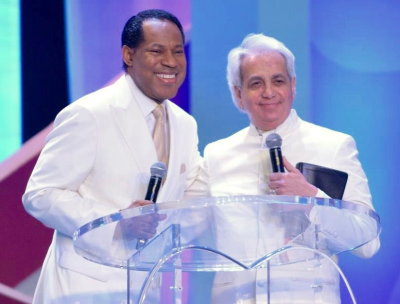
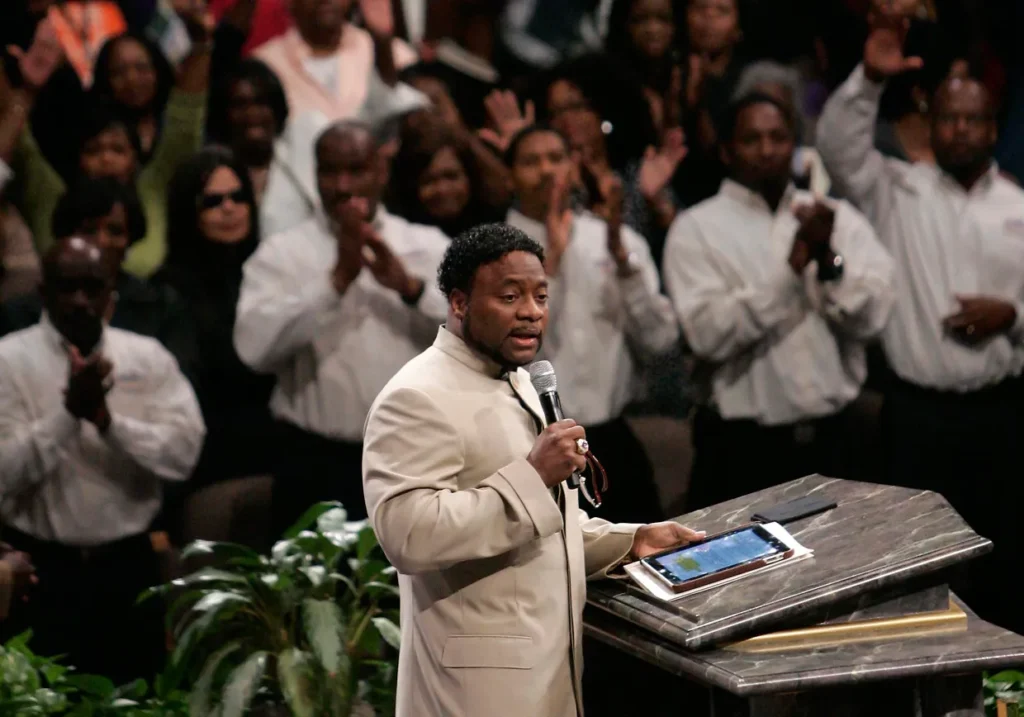

Gen Z, raised in a world of curated social media personas and manufactured authenticity, instinctively recoil from this counterfeit Christ. They may not be able to articulate precisely what’s wrong, but they sense the disconnect between the Jesus of Scripture who suffered, served & sacrificed and the Jesus preached from many pulpits today.
The Exodus to Other Spiritual Paths
Faced with this spiritual bankruptcy, where are Gen Z turning? Many are finding their way to Islam, drawn by what they perceive as greater authenticity, clearer moral boundaries and a more demanding spiritual path. The tragedy of this “shameless greed” is the vacuum it leaves behind. Others embrace atheism or agnosticism, concluding that if Christianity is represented by these false teachers, then God must not exist. When a young person sees the church as a den of thieves, they look for truth elsewhere:
- The Appeal of Islam: Many are drawn to Islam not necessarily for its theology, but for its perceived discipline and communal sincerity. In the face of a “cafeteria-style” Christianity that stands for nothing, the rigid structure of Islam looks like an authentic alternative.
- The Slide into Atheism: For others, the corruption is evidence enough that the entire concept of God is a man-made tool for control. They mistake the failure of the messenger for the failure of the Message.
By prioritizing selfish desires over the sheep, these modern teachers have, as the Bible says, caused the way of truth to be “evil spoken of.” Still others create their own spiritual syncretism, borrowing from various traditions while committing to none. They’re spiritual but not religious, seeking transcendence without accountability, community without commitment, transformation without sacrifice.

Islam, particularly on the African continent, has proven adept at presenting itself as the antidote to Christian corruption. Its emphasis on religious discipline, communal accountability, and visible sobriety contrasts sharply — at least in presentation — with the spectacle of prosperity Christianity. Young people drawn to spirituality but repelled by greed find in Islamic practice a structure that appears, on the surface, to demand integrity.
Others land in atheism — not because they have reasoned their way to the conclusion that God does not exist, but because the only God they were ever shown was a transactional deity who blessed those who paid and punished those who couldn’t. That god is worth rejecting. The problem is that this is not the God of the Bible. It is an idol constructed from greed. But without solid biblical grounding, a young person cannot distinguish between the idol and the living God, and so they walk away from both.

Still others hover in agnosticism — hands held open, unwilling to fully commit to any system, carrying a quiet wound from the church of their childhood. They believe something is out there. They feel it. But they have no safe community in which to explore that feeling honestly. The church injured them, and no one has offered a genuine apology, let alone a corrective.
What all three groups share is a common origin: they encountered a church that shamed the name of the Lord through selfish ambition and private gain, as Paul described in Romans 2:24, citing the prophet Isaiah — “The name of God is blasphemed among the Gentiles because of you.” The false teacher does not only harm the believer in the pew. He sends a generation into the arms of false religions.
When Doctrine Becomes Optional as the Bible Prophesied
The warning in 2 Timothy 4:3-4 has become reality in many modern churches: “ For the time will come when they will not endure sound doctrine; but after their own lusts shall they heap to themselves teachers, having itching ears; And they shall turn away their ears from the truth, and shall be turned unto fables.“
Doctrine, the foundational beliefs of Christianity has become optional in many congregations. Sermons focus on self-help principles, psychological insights, and motivational speaking rather than the hard truths of Scripture. Sin is downplayed, hell is ignored, and the call to radical discipleship is replaced with an invitation to casual church attendance.
Gen Z, despite their reputation for relativism, actually crave authenticity and substance. They want beliefs that demand something of them, truths worth standing for even when it’s costly. When churches offer only spiritual comfort food, they starve the deep hunger of young hearts for something more substantial.
Hope Amidst the Crisis
Yet the biblical narrative offers hope. Jesus promised, “Seek and you will find” (Matthew 7:7). For those genuinely seeking God, even those who have been misled by false teachers—truth remains available to those who persist in their search.
The promise of Jeremiah 29:13 stands: “You will seek me and find me, when you seek me with all your heart.” The church’s job is not to make that finding harder by clothing greed in the garments of grace. Its job — its only job — is to point honestly to the One who said: “I am the way, the truth, and the life.“
Scripture also assures us that these false teachers will not ultimately prevail. Peter warns that “their condemnation has long been hanging over them and their destruction has not been sleeping” (2 Peter 2:3). God will not be mocked and those who exploit His people for personal gain will face judgment.
The Path Forward
Churches must preach Christ crucified, risen, and returning – not Christ the cosmic vending machine. They must embrace the cost of discipleship rather than promising only its benefits. They must demand repentance rather than offering cheap grace. They must serve rather than be served.
For Gen Z, authenticity is non-negotiable. They may be leaving churches, but many are still seeking God. When they encounter authentic Christianity – believers who live what they preach, churches that care more about people than profit, leaders who serve rather than rule, many will find what their hearts have been longing for all along.
The church — the genuine, scripturally-grounded body of Christ — must be willing to do something that will cost it dearly in the short term: it must publicly, honestly, and humbly acknowledge that the prosperity gospel is heresy. It must call out the false teachers by their fruit, as Jesus instructed in Matthew 7:15-20. It must stop protecting reputations and start protecting souls.
And it must return, with urgency and without apology, to the full counsel of Scripture — the parts that are uncomfortable, the parts that make no promise of earthly wealth, the parts that speak of a Saviour who was “a man of sorrows, acquainted with grief” (Isaiah 53:3), and who calls his followers to take up their cross daily.
Gen Z is not lost to God. They are lost to a version of God that was never real to begin with. They are spiritual. They are searching. They are, many of them, one honest conversation, one authentic community, one truthful preacher away from finding what they have always been looking for.