
Major Shake-Up Expected in Kenya’s Real Estate as FBI Targets $1 Billion Minnesota Fraud Proceeds
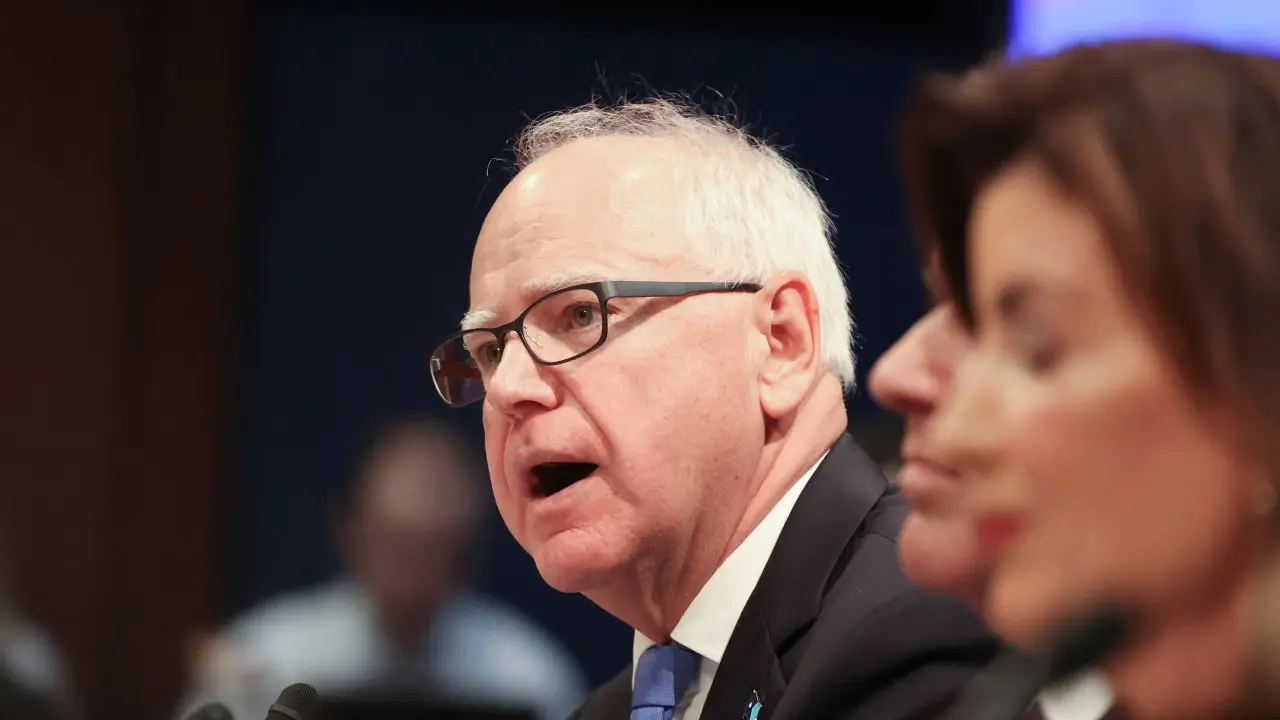
Table of Contents
Industrial-Scale Fraud: How Billions Meant for Vulnerable Americans Ended Up in Kenyan Property
NAIROBI, KENYA — Kenya’s luxury real estate market faces unprecedented scrutiny as United States federal authorities intensify their pursuit of assets purchased with proceeds from what prosecutors describe as “industrial-scale fraud” that may total up to $9 billion or more. The FBI, working alongside the IRS Criminal Investigation unit and the US Postal Inspection Service, has traced significant portions of stolen federal funds to high-end properties across Nairobi and Kenya’s coastal region, setting the stage for a potential major disruption in the country’s property sector.
The Magnitude of the Crisis
In a stark revelation on December 18, 2025, First Assistant US Attorney Joseph H. Thompson announced that approximately half of the $18 billion disbursed through 14 Minnesota-run federal programs since 2018 may have been fraudulently obtained. This staggering figure dwarfs the initial estimates from the Feeding Our Future scandal, which was already considered the largest COVID-19-related fraud in US history at $250 million.
Thompson’s assessment paints a grim picture of systematic exploitation. Federal prosecutors estimate that up to $9 billion or more may have been stolen through an intricate web of shell companies, sham nonprofits, and fraudulent service providers across Minnesota’s social safety net programs, including child nutrition services, housing assistance, autism therapy, and other Medicaid-funded initiatives.
Kenya: A Primary Money Laundering Destination
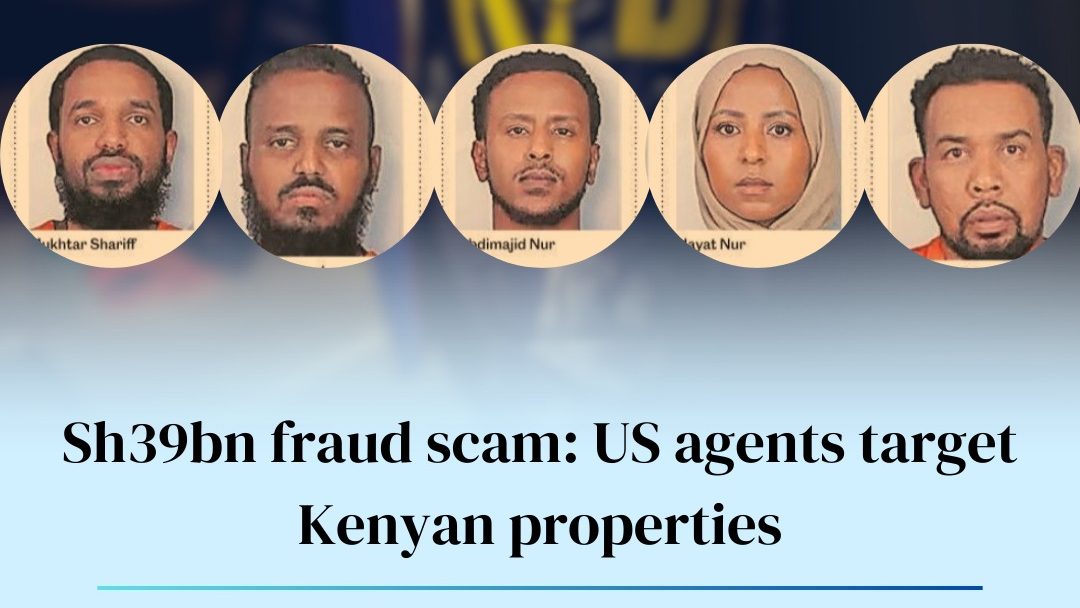
Federal investigations have identified Kenya as a principal destination for laundering these stolen funds, with millions of dollars channeled into the country’s real estate market. Court documents and FBI financial tracing released in late 2025 reveal a sophisticated pipeline that transformed American taxpayer dollars into tangible Kenyan assets, including luxury apartments, commercial properties, beach resorts, and even a private aircraft stationed in Nairobi.
Key Real Estate Acquisitions Under Investigation
Nairobi Properties:
- Luxury apartment buildings in South C neighborhood, adjacent to Nairobi National Park
- High-end residential properties in Eastleigh
- A 20% stake in an upper-class Kenyan real estate development company
- Commercial properties in prime Nairobi locations
Coastal Properties:
- Karibu Palms Resort in Diani Beach (approximately Sh27.9 million/$215,000)
- Multiple beach plots and coastal land acquisitions
Other Assets:
- Land parcels in Mandera Town, on Kenya’s border with Somalia and Ethiopia
- A private aircraft purchased and stationed in Nairobi using hundreds of thousands of dollars in fraud proceeds
The Feeding Our Future Scandal: Ground Zero of the Crisis
The investigation began with Feeding Our Future, a Minnesota nonprofit that exploited pandemic-era relaxations in the Federal Child Nutrition Program. Between 2020 and 2022, the organization and its network of over 250 meal distribution sites fraudulently obtained approximately $250 million meant to feed vulnerable children during the COVID-19 pandemic.
Federal prosecutors revealed that disbursements to Feeding Our Future skyrocketed from $3.4 million (Sh438 million) in 2019 to nearly $200 million (Sh25.7 billion) in 2021. However, instead of providing meals to children, the funds were diverted to purchase luxury vehicles, real estate in multiple countries, and to finance lavish international travel.
Lead Defendant: Abdiaziz Shafii Farah
At the center of the scandal stands Abdiaziz Shafii Farah, a 36-year-old former refugee who arrived in the United States seeking a better life. In August 2025, Farah was sentenced to 28 years in federal prison for leading what prosecutors called the “Empire” group within the fraud network.
Federal Judge Nancy E. Brasel delivered a scathing rebuke during sentencing, noting the irony that while the government aimed to ensure no child went hungry during the pandemic, Farah saw it as an opportunity to fraudulently enrich himself. Court documents revealed that Farah personally pocketed more than $8 million (Sh1 billion) during just 18 months of involvement in the scheme.
In text messages reviewed by authorities, Farah exhibited remarkable audacity, telling an associate: “In 7 months, if things stay the same, you are a multi-millionaire with 0 debt.”
The Kenyan Connection: Ahmednaji Maalim Aftin Sheikh
In September 2025, Farah’s brother, 28-year-old Ahmednaji Maalim Aftin Sheikh, a Kenyan national residing in Nairobi, was indicted on charges of conspiracy to commit international money laundering. Sheikh allegedly served as the offshore facilitator, helping to launder and conceal more than Sh5.1 billion ($40 million) in fraud proceeds.
Federal prosecutors detailed how Sheikh received millions of dollars from his brother and invested them in Kenyan real estate through a sophisticated network of sham corporate entities and bulk cash smuggling operations. Court documents revealed specific transactions:
- In December 2021, Sheikh sent Farah photos of receipts documenting a $300,000 (Sh38.7 million) money transfer from Minneapolis to Kenya
- Days later, Sheikh sent a text message explaining he had received $1,287,000 (Sh166 million) from Farah
- In April 2021, Farah used fraud proceeds to purchase an apartment building in Nairobi’s South C neighborhood
The indictment exposed intricate family connections designed to facilitate money movement across borders. Sheikh married an individual identified in court documents as “SD” in Nairobi on December 30, 2021. SD, a naturalized US citizen living in Minnesota and the sister of Farah’s wife, worked at one of the companies sponsoring fraud in the federal child nutrition program and had moved into a $575,000 (Sh74.2 million) home purchased with fraud proceeds.
Beyond Feeding Our Future: The Wider Web of Fraud
Autism Services Fraud
Asha Farhan Hassan, 28, emerged as the first defendant charged in September 2025 in a separate but connected $14 million fraud targeting Minnesota’s Early Intensive Developmental and Behavioral Intervention (EIDBI) autism services program. Hassan operated Smart Therapy LLC, which purported to provide Applied Behavior Analysis therapy to children with autism spectrum disorder.
Court documents revealed a brazen operation:
- Hassan recruited parents in the Somali community to enroll their children, even those without autism diagnoses
- She paid monthly kickback payments ranging from $300 to $1,500 per child to parents
- Higher kickbacks were contingent on the amount of services authorized by the Department of Human Services
- Some parents threatened to leave for other autism centers offering larger kickbacks, creating a competitive fraud marketplace
- Hassan employed teenage relatives with no formal training or certifications as “behavioral technicians”
- Claims were submitted for services never provided or were fraudulently inflated
Hassan split the $14 million in fraudulent proceeds with her partners and sent hundreds of thousands of dollars abroad, using some funds to purchase real estate in Kenya. In December 2025, she pleaded guilty to wire fraud charges.
Acting US Attorney Thompson emphasized that the autism fraud was not isolated: “From Feeding Our Future to Housing Stabilization Services and now Autism Services, these massive fraud schemes form a web that has stolen billions of dollars in taxpayer money. Each case we bring exposes another strand of this network.”
Housing Stabilization Services Fraud
Federal prosecutors charged 13 individuals in connection with fraud targeting Minnesota’s Housing Stabilization Services program, which was designed to help vulnerable people find and maintain stable housing. Thompson described instances of “fraud tourism,” where out-of-state actors traveled to Minnesota specifically to exploit the state’s programs.
Two Philadelphia residents, Anthony Waddell Jefferson, 37, and Lester Brown, 53, allegedly heard that Minnesota’s programs were “easy money.” They traveled to Minnesota, enrolled their companies in the Housing Stabilization Services program, returned to Philadelphia, and submitted fraudulent claims from there, obtaining more than $3.5 million in Medicaid payments.
Other defendants in this scheme:
- Pocketed $750,000 instead of helping recipients find housing, using proceeds for international travel to London, Istanbul, and Dubai
- Submitted $1.4 million in fraudulent claims, purchasing cryptocurrency with the proceeds before fleeing the country after receiving a federal subpoena
Additional Fraud Schemes
Federal investigations have identified fraud across 14 Minnesota programs deemed “high risk,” including:
- Integrated Community Supports (ICS) program payments exploded from $4.6 million in 2021 to $170 million in 2024
- Various Medicaid waiver programs showing suspicious billing patterns
- Multiple other social service programs with evidence of systematic exploitation
The Asset Forfeiture Challenge: Beyond the Reach of US Law?
Despite the extensive criminal convictions – 78 indictments and 57 convictions in the Feeding Our Future case alone – US authorities face significant legal challenges in recovering assets located overseas. The US Department of Justice made a remarkable concession in a statement issued four months ago regarding Abdiaziz Farah’s assets:
“Farah laundered the fraud proceeds through China. This overseas money is beyond the reach of American law enforcement. Neither these funds nor Farah’s international real estate holdings have been, or can be, seized or forfeited.”
This admission exposes the fundamental limitations facing the world’s most powerful nation when it comes to seizing assets on foreign soil. While US courts can and have ordered restitution—Farah was ordered to pay $47,920,514 – actually collecting on those judgments from international properties remains extraordinarily difficult.
The Forfeiture Process: What Comes Next
Assistant US Attorney Craig Baune has been assigned to handle the seizure and forfeiture of assets in these cases. The US Department of Justice has confirmed it is actively pursuing asset seizure and forfeiture actions, though officials acknowledge that recovering property across international borders is notoriously slow and complex.
The process requires:
- International Cooperation: Deep coordination between Washington and Nairobi to unravel complex ownership structures
- Mutual Legal Assistance Treaties: Formal government-to-government requests for assistance
- Civil Forfeiture Proceedings: Potential filing of forfeiture actions in Kenyan courts under international legal frameworks
- Identification and Tracing: Detailed financial forensics to prove the illicit source of funds
To date, federal authorities have recovered approximately $60-70 million (Sh7.7-9.0 billion) of the $250 million stolen in the Feeding Our Future conspiracy – less than 30% of the total. The recovery rate for assets located overseas is expected to be even lower.
Voluntary Forfeitures
Some defendants have agreed to forfeit properties as part of plea agreements. Liban Yasin Alishire, who admitted to his role in the Feeding Our Future fraud, agreed to forfeit numerous assets including an apartment unit in Nairobi and the Karibu Palms Resort on the Indian Ocean in Kenya. These voluntary forfeitures represent the most straightforward path for US authorities to reclaim ill-gotten assets, though they depend on defendants choosing cooperation over continued legal battles.
Kenya’s Regulatory Spotlight: Gaps in Financial Oversight
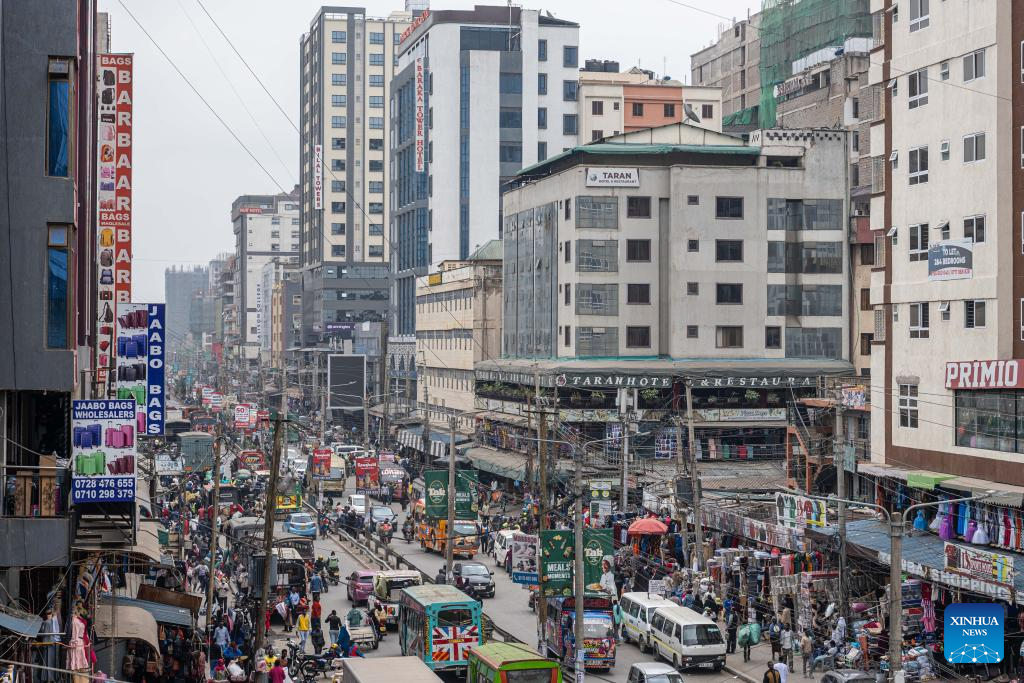
The scandal has cast an uncomfortable spotlight on Kenya’s financial oversight systems and the country’s vulnerability to international money laundering schemes. While Kenyan authorities have yet to respond publicly to allegations of real estate purchases tied to the fraud, legal and compliance experts are raising urgent questions about the ease with which illicit foreign capital penetrated the local market.
Regulatory Challenges Exposed
1. Source of Funds Verification The ability of fraudsters to invest millions of dollars in Kenyan real estate without triggering anti-money laundering alarms reveals potential gaps in due diligence procedures. Wealthy properties in Nairobi and along the coast have become attractive targets for laundering illicit funds due to high values and potentially opaque ownership structures.
2. Corporate Shell Companies Court documents detailed how defendants used “a series of sham corporate entities” to conceal the nature, location, source, ownership, and control of fraud proceeds. The ease of creating multiple corporate entities that can hold property raises questions about beneficial ownership transparency in Kenya’s corporate registry.
3. Bulk Cash Smuggling Federal prosecutors described instances of bulk cash smuggling to move funds to Kenya, suggesting that physical currency transportation bypassed formal banking channels and their associated anti-money laundering controls.
4. International Cooperation Deficits The US Department of Justice’s admission that it cannot seize assets in Kenya highlights the need for stronger bilateral cooperation frameworks and more robust mutual legal assistance mechanisms between the two countries.
A Nairobi-based compliance attorney who requested anonymity observed: “There needs to be more robust due diligence on property transfers and source of funds verification here in Kenya. This case underscores how easily international fraud proceeds can be absorbed into local real estate if safeguards are weak.”
Market Impact: Distortion and Displacement
Beyond the legal and regulatory implications, the influx of fraudulently obtained funds into Kenya’s real estate market creates significant economic distortions:
Price Inflation: The injection of illicit capital competing for prime properties can artificially inflate market prices, pricing out legitimate buyers and exacerbating housing affordability challenges.
Market Integrity: The presence of properties purchased with stolen funds undermines confidence in market integrity and Kenya’s standing as a reliable investment destination.
Development Displacement: When fraud proceeds capture scarce development opportunities and prime locations, they displace genuine economic activity and legitimate development projects.
For average Kenyans, the scale is staggering. The potential total loss of Sh2.3 trillion ($18 billion) from Minnesota programs approaches the entirety of the Kenya Revenue Authority’s annual tax collection target, putting the magnitude of the fraud into stark perspective.
FBI Intensifies Investigation: Kash Patel’s Commitment
On December 28, 2024, newly appointed FBI Director Kash Patel announced that the bureau had “surged personnel and investigative resources to Minnesota to dismantle large-scale fraud schemes exploiting federal programs.”
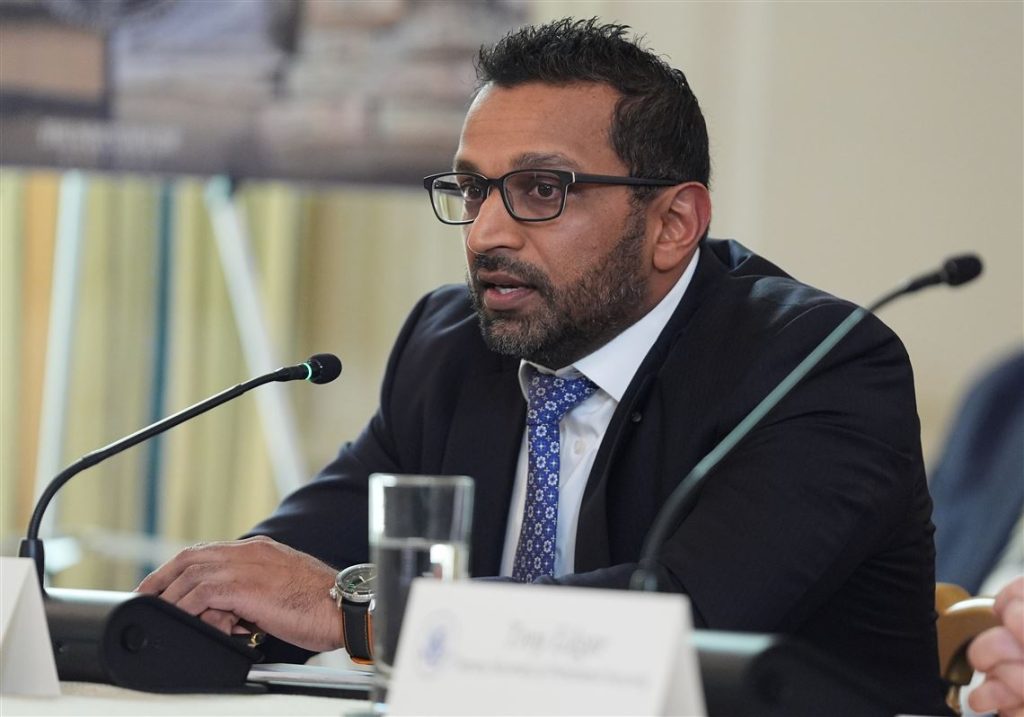
In a statement posted on social media, Director Patel declared: “The FBI has dismantled a $250 million fraud network, exposing sham vendors, shell companies, and extensive money laundering tied to the Feeding Our Future network. Fraud that steals from taxpayers and robs vulnerable children will remain a top FBI priority in Minnesota and nationwide.“
The investigation has produced:
- 78 indictments
- 57 convictions
- Charges ranging from wire fraud to money laundering and conspiracy
- Multiple ongoing investigations across 14 state programs
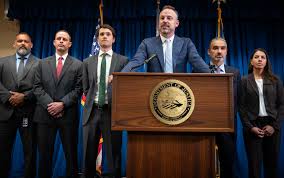
The Department of Homeland Security announced it is “on the ground in Minneapolis, going door-to-door at suspected fraud sites,” indicating an escalation in federal enforcement efforts.
Political Dimensions and Controversy
The fraud scandal has become intensely politicized, particularly as it involves Minnesota’s Somali community—the largest in the United States, with more than 84,000 Somali-Americans residing in the Minneapolis-St. Paul area. According to the US Attorney’s Office, 82 of the 92 defendants charged in the child nutrition, housing services, and autism program schemes are Somali Americans.
President Donald Trump has repeatedly referenced the fraud cases to criticize immigration policies and target the Somali diaspora. In late December 2024, Trump announced a freeze on federal child care funding to Minnesota, calling the state a “hub of fraudulent money laundering activity.” The administration has capitalized on viral social media coverage of the scandal to justify stricter enforcement measures and immigration policy changes.
Minnesota Governor Tim Walz has faced intense criticism from both federal prosecutors and Republican opponents for his administration’s oversight failures. While Walz initiated a 90-day payment suspension for 14 high-risk Medicaid programs in October 2025 and appointed a director of program integrity, state audits revealed that warnings about predatory providers were ignored for years.
However, Thompson’s suggestion that “half or more” of $18 billion may be fraudulent – implying up to $9 billion in losses – has been contested. Governor Walz accused Thompson of speculation without adequate proof, stating: “You should be equally outraged about one dollar or whatever that number is, but they’re using that number without the proof behind it.”
Minnesota Department of Human Services Inspector General James Clark called the speculation “shocking” and requested an immediate meeting with federal prosecutors to share evidence so the state could “slam the door shut on payments to those individuals and businesses.”
The Real Human Cost
Beyond the staggering financial figures and international intrigue lies a profound human tragedy. The fraud schemes targeted programs designed to serve society’s most vulnerable populations:
- Children: Millions meant to feed hungry children during the pandemic were diverted to purchase luxury assets
- People with autism: Families seeking crucial developmental interventions for their children were exploited as pawns in kickback schemes
- Homeless individuals: People desperately needing housing assistance were used as billing mechanisms while receiving little or no actual services
- Disabled adults: Those needing support to live independently were victims of phantom services billed to Medicaid
Acting US Attorney Thompson emphasized this dimension: “There’s real patients, real clients, real people who need services and aren’t getting them. The fraud puts government-run services at risk for people who really need them.”
Judge Brasel echoed this sentiment in sentencing Abdiaziz Farah: “It is ironic at best that as the government aimed that no child went hungry during the pandemic, you saw the opportunity to fraudulently make money.”
What Lies Ahead for Kenya’s Real Estate Sector
The unfolding investigation presents several potential scenarios for Kenya’s property market:
Short-Term Implications
- Increased Scrutiny: Properties purchased by convicted defendants or indicted individuals will face intensified investigation
- Transaction Freezes: Assets linked to ongoing prosecutions may be subject to restraining orders pending legal proceedings
- Market Uncertainty: Potential buyers and sellers may become more cautious in high-value transactions, particularly involving foreign purchasers
Medium-Term Developments
- Enhanced Due Diligence: Real estate professionals, banks, and legal practitioners may implement stricter source-of-funds verification
- Regulatory Reforms: Kenyan authorities may strengthen anti-money laundering requirements for property transactions
- Bilateral Cooperation: Increased engagement between US and Kenyan law enforcement agencies to trace and potentially seize assets
Long-Term Structural Changes
- Beneficial Ownership Transparency: Potential reforms requiring disclosure of ultimate beneficial owners of property-holding companies
- International Standards Adoption: Greater alignment with Financial Action Task Force recommendations on combating money laundering
- Market Professionalization: Enhanced standards for real estate brokers, developers, and financial institutions involved in property transactions
The Forfeiture Timeline
Legal experts caution that the US asset forfeiture process for properties located abroad could take months or even years to unfold. The complexity involves:
- Investigation Phase: Comprehensive tracing of financial flows and asset ownership (ongoing)
- Formal Requests: Submission of mutual legal assistance requests to Kenyan authorities
- Kenyan Legal Proceedings: Potential civil forfeiture cases filed in Kenyan courts
- Appeals Process: Likely extended litigation as defendants challenge forfeiture actions
- Asset Liquidation: If successful, selling properties and repatriating funds to the US
- Victim Restitution: Distribution of recovered funds to compensate victims and reimburse taxpayers
The Department of Justice has assigned dedicated personnel to pursue these international forfeitures, but officials acknowledge the unprecedented scale and complexity of the undertaking.
Unanswered Questions
As this investigation continues to evolve, several critical questions remain:
- Full Extent of Kenyan Holdings: What is the complete inventory and total value of properties purchased in Kenya with fraud proceeds?
- Kenyan Government Response: Will Kenyan authorities proactively identify, freeze, and seize suspect properties, or await formal US requests?
- Other Countries Involved: Beyond Kenya and Turkey, which other nations received significant fraud proceeds, and will their real estate markets face similar scrutiny?
- Terror Finance Connections: While US prosecutors say there’s no evidence defendants sought to fund terrorist groups, money sent to Somalia-controlled regions could indirectly benefit al-Shabaab through taxation systems. Will this angle of investigation expand?
- Systemic Reforms: Will Minnesota implement sufficient safeguards to prevent similar fraud in the future, or do vulnerabilities persist across the $18 billion in programs under audit?
- Recovery Prospects: Can US authorities realistically recover even a fraction of the billions allegedly stolen and laundered overseas?
Conclusion: A Wake-Up Call for Two Nations
The Minnesota fraud scandal with its Kenyan real estate connections represents more than a series of criminal cases – it exposes systemic vulnerabilities in how governments design, oversee, and protect social safety net programs, and how international financial systems can be exploited to launder the proceeds of domestic crime.
For the United States, the scandal reveals how pandemic-era program expansions created opportunities for industrial-scale fraud that prosecutors struggle to fully quantify even years later. The admitted inability to recover assets held overseas underscores the limits of American power when criminals successfully move proceeds beyond US borders.
For Kenya, the case serves as a stark reminder that the country’s financial and real estate sectors remain vulnerable to international money laundering operations. The ease with which tens of millions of dollars in illicit funds were apparently integrated into legitimate property markets raises urgent questions about regulatory capacity and commitment to anti-money laundering enforcement.
As FBI Director Kash Patel emphasized, protecting taxpayers and ensuring resources reach their intended beneficiaries will remain a top priority nationwide. But with properties already purchased, defendants already sentenced, and billions potentially beyond reach, the investigation represents both a determined pursuit of justice and a sobering acknowledgment of the challenges inherent in combating sophisticated, transnational financial crime.
For Kenyan authorities, real estate professionals, and policymakers, the message is clear: international criminal networks see Kenya as a destination for laundered proceeds. Whether this investigation leads to meaningful reforms, enhanced enforcement, or merely serves as a cautionary tale will determine the country’s reputation as a secure, transparent destination for legitimate international investment.
The luxury apartments in South C, the beach resort in Diani, and the commercial properties scattered across Nairobi stand as visible symbols of a massive fraud that victimized vulnerable Americans and exploited weaknesses in two nations’ financial systems. Whether these properties will ultimately be seized, forfeited, and the proceeds returned to their rightful purpose – or whether they will remain as permanent monuments to successful international money laundering – remains to be seen.
As investigations unfold, the alleged laundering of foreign fraud proceeds into Kenya’s real estate sector raises urgent questions about regulation, transparency, and accountability. At EyeAfrica.news, we continue to track how global power, crime, and governance intersect on the continent. Readers may also want to explore “Dumped in Africa: Inside Trump’s Brutal New Deportation Pipeline to Africa,” which examines shifting global policies impacting Africa, and “The State of Democracy in Africa: Have We Lowered the Bar Too Much,” a broader reflection on leadership, institutions, and standards across the continent.
Last Updated: January 3, 2026
Note: Investigations are ongoing, and details continue to emerge. Individuals charged are presumed innocent unless proven guilty in a court of law.