
2027 Is Not 2007: Why Kenya’s Next Election May Be the Calmest Yet

An investigative EyeAfrica analysis on fear, memory, and the evolving reality of Kenyan democracy
By the time a country approaches a major election cycle, anxiety becomes almost predictable. In Kenya, elections are not just political events – they are emotional milestones shaped by history, memory, and expectation. The mere mention of “2027” already triggers conversations about tension, uncertainty, and even fear. But this time, there is a strong case to be made that the upcoming elections should not carry the same psychological weight as those in the past.
The Shadow of 2007 — Why Fear Still Exists
Kenya’s electoral history includes moments of instability, most notably the aftermath of the 2007 elections. That period left scars both physical and psychological that still influence how citizens interpret political transitions today. However, 2027 Is Not 2007 therefore, focusing only on that chapter risks ignoring the evolution that has taken place since then. Institutions, public awareness, and the broader political environment have undergone significant transformation. The Kenya of today is not the Kenya of 2007.
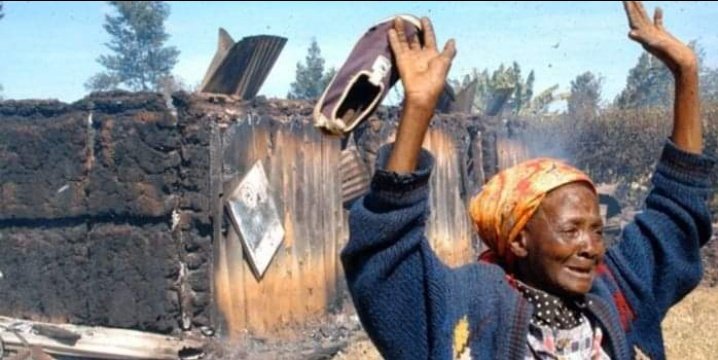
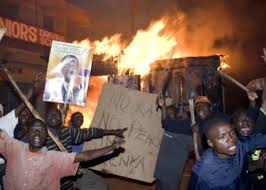
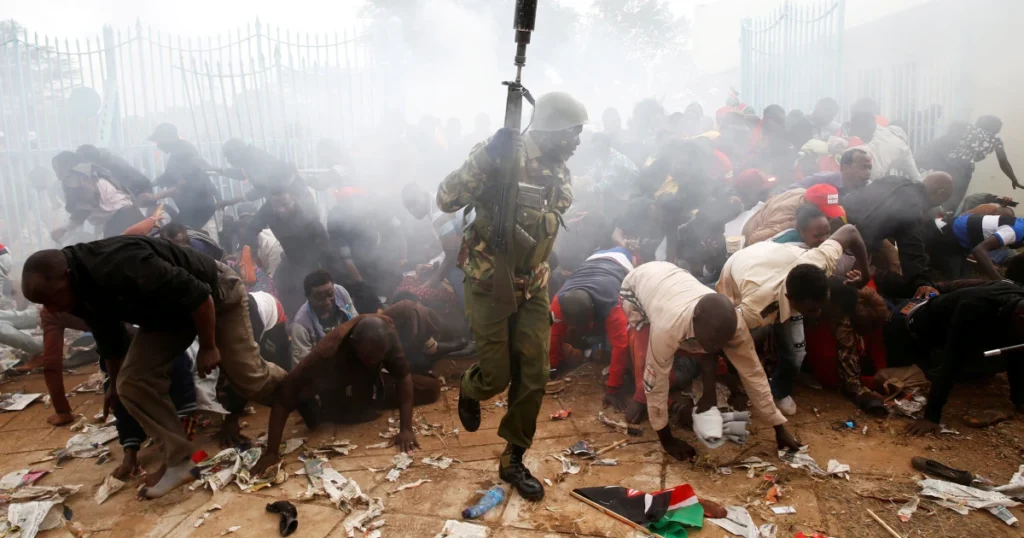
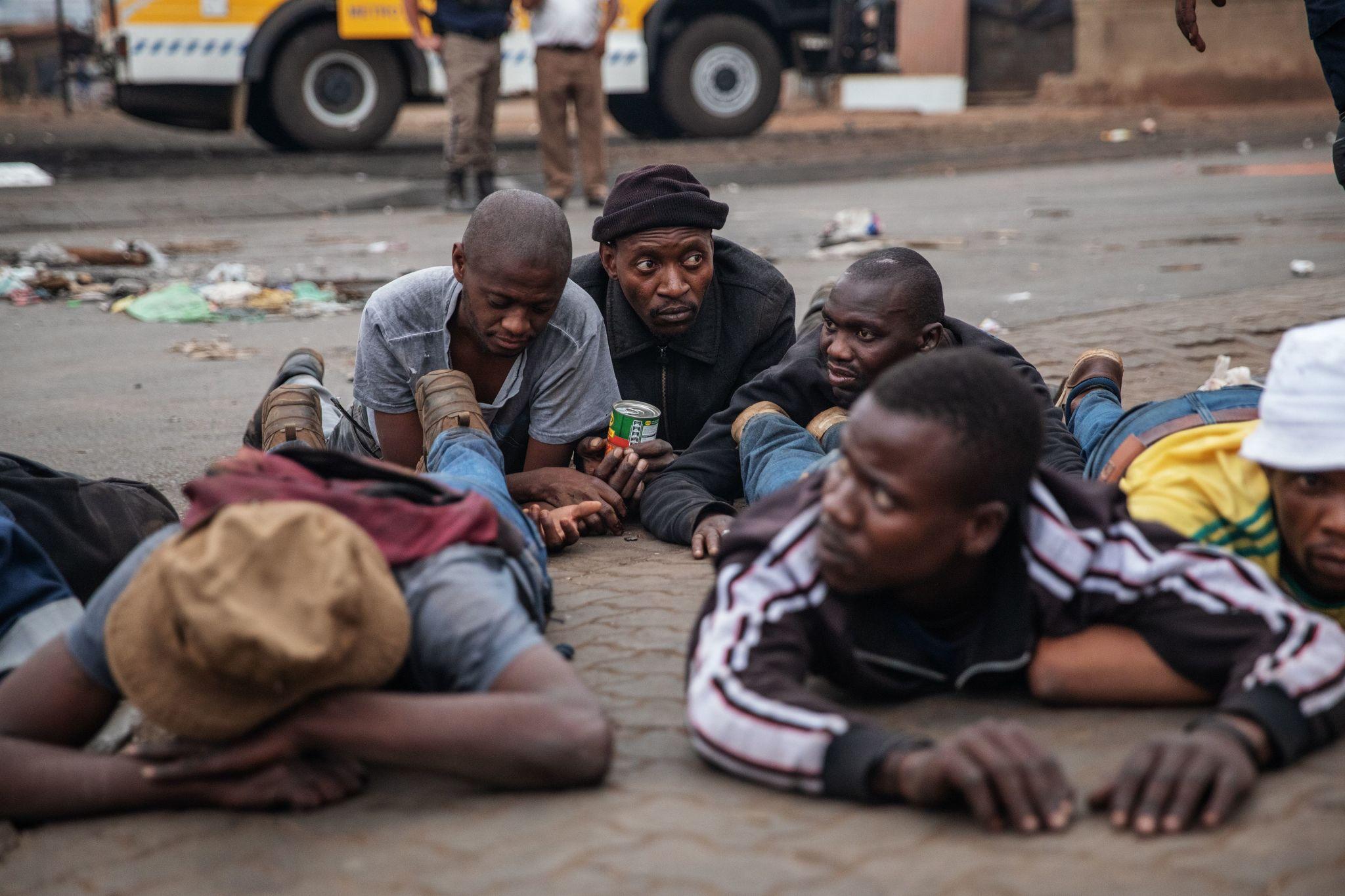
Every Kenyan election is haunted by memory. The reference point is almost always the same: the violence that followed the disputed 2007 results. That period was not just a political crisis; it was a national trauma that reshaped how citizens interpret elections. Even today, conversations about 2027 are less about policies and more about “what if it happens again?”
But memory, while powerful, is not always accurate in guiding the present. It tends to freeze a country in its worst moment, ignoring the changes that follow. Kenya has spent nearly two decades evolving from that crisis. Yet psychologically, many citizens still react as if nothing has changed.
That disconnect between memory and reality is where much of the fear around 2027 is born.
Institutions That Learned the Hard Way
Since 2007, Kenya has built and tested institutional safeguards that did not exist in the same form before. The Independent Electoral and Boundaries Commission has operated under intense scrutiny, often criticized, but also constantly monitored by courts, civil society, and the public.

More importantly, the judiciary has demonstrated an ability to intervene. The 2017 nullification of presidential results was not just a legal event, it was a signal that disputes could be handled within the system rather than outside it.
Skeptics will argue that institutions remain vulnerable to political pressure, and that criticism of electoral bodies has not disappeared. That argument holds weight. Institutions are not perfect, and Kenya’s are no exception.
But perfection is not the benchmark. Progress is. And compared to the past, Kenya’s institutions are no longer passive – they are contested, challenged and crucially visible.
A Different Voter, A Different Reaction
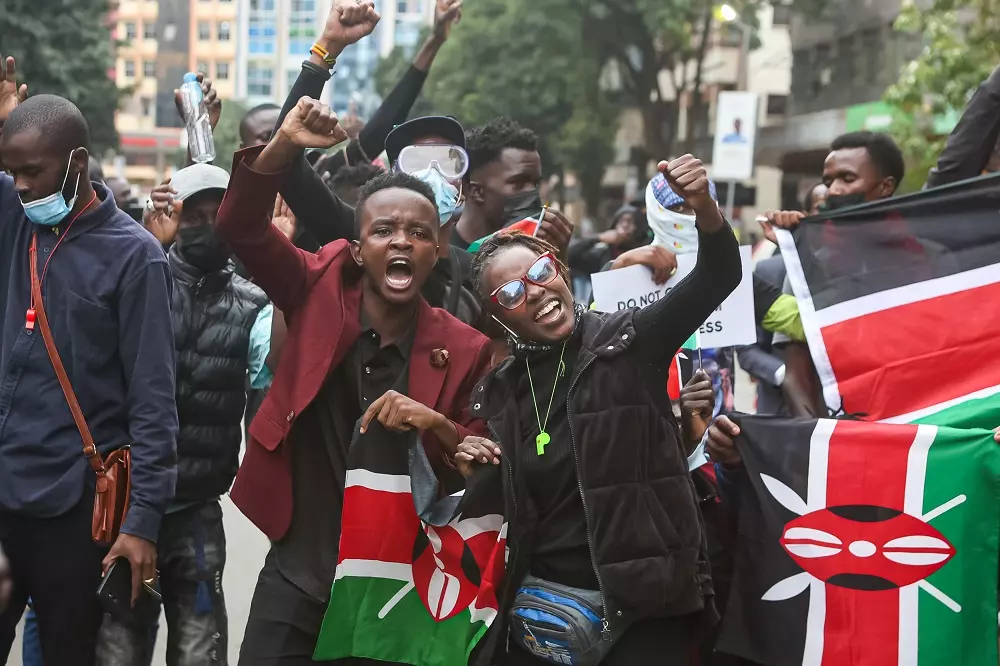
Kenya’s electorate is no longer what it was in 2007. A younger, more connected population now dominates the voting base. Access to information has fundamentally changed how citizens engage with politics.
The rise of platforms like YouTube, X and Facebook means narratives are no longer controlled by a few voices. Claims are challenged in real time. Rumors are debated, sometimes debunked within minutes.
This does not eliminate misinformation, it often amplifies it. But it also creates resistance. The same digital tools that spread fear can dismantle it.
Critics, however, point to the growing toxicity of online discourse. They argue that social media may inflame tensions faster than traditional media ever could. That risk is real.
Yet the difference lies in awareness. Kenyans today are not passive consumers of information; they are participants in it. That alone changes how quickly fear translates into action.
The Economics of Stability
There is a quieter force shaping electoral behavior – money.
Kenya’s economy, from informal traders to tech-driven startups, has created a population that is deeply invested in stability. Elections are no longer just political contests; they are economic events with direct consequences on income, business, and survival.
For many, instability is simply too expensive.
This economic lens changes decision-making. Where past elections may have seen rapid escalation, today there is a stronger incentive to avoid disruption.
Still, there is a counterweight to this argument. Economic hardship, rising costs, unemployment and inequality can also fuel frustration. Politicians can weaponize that frustration, turning elections into outlets for anger.
The tension between economic self-preservation and economic grievance will define much of 2027. But even then, the forms of expression are shifting. Protests, digital activism, and civic engagement are increasingly replacing large-scale electoral violence.
The Slow Decline of Rigid Political Identities
Kenyan politics has long been shaped by identity, more particularly ethnicity. That reality has not disappeared. But it is no longer as rigid as it once was.
Coalitions shift more frequently. Political alliances are less predictable. Voters are showing a growing willingness to cross traditional lines when issues like cost of living, governance, and opportunity take priority.
This fluidity weakens the “winner versus enemy” narrative that historically fueled conflict.
Of course, identity politics is far from dead. It remains one of the most potent tools in Kenyan elections. But its influence is now contested, not absolute.
And that distinction matters.
The Real Risk — Fear Itself
If there is one factor that could destabilize 2027, it is not necessarily the election process—it is the expectation of chaos.
Fear shapes behavior. It influences how people invest, how businesses operate and how communities interact. When citizens anticipate violence, they may act defensively, withdraw economically or spread alarmist narratives.
In doing so, they unintentionally create the conditions they fear.
This is not to dismiss genuine risks. Elections will always carry tension. Disputes will arise. Political rhetoric will intensify.
But there is a difference between vigilance and anxiety. One prepares a nation; the other destabilizes it.
A Country That Has Quietly Moved Forward
Kenya’s story since 2007 is not one of perfection – it is one of adaptation.
Institutions have been tested. Citizens have become more engaged. The economy has created new incentives. Political dynamics have shifted. Even the ways people express dissent have evolved.
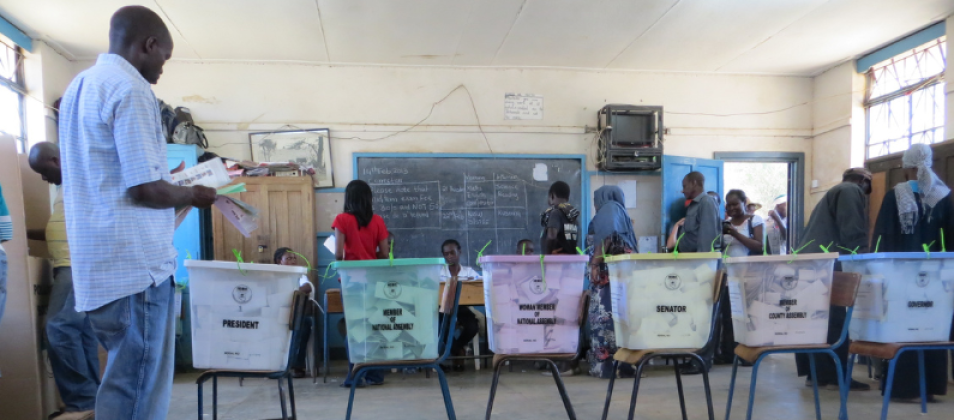
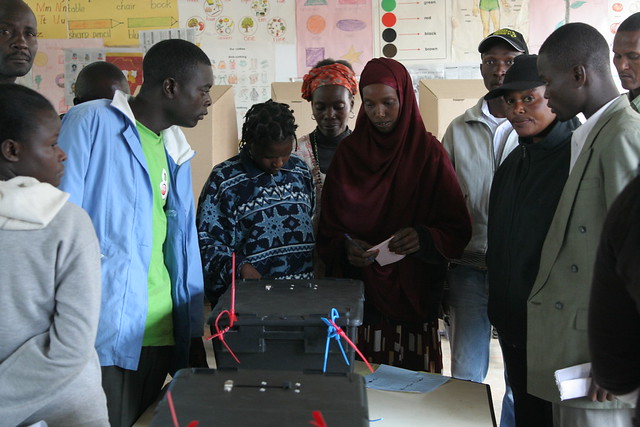
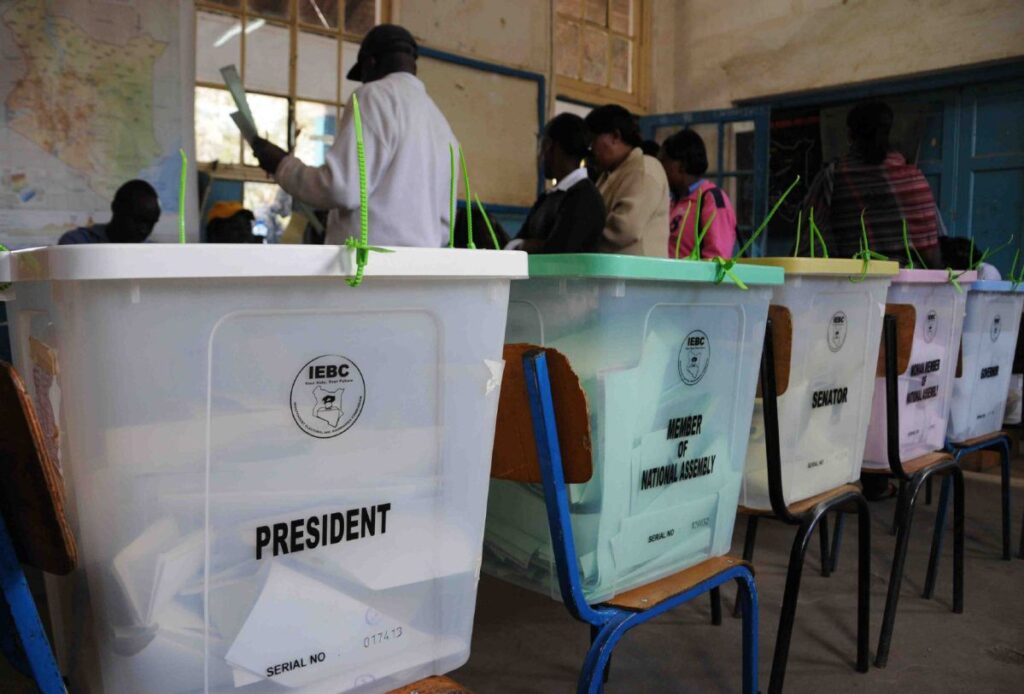
None of these changes guarantee a flawless election. But together, they create a system that is far more resilient than it was nearly two decades ago.
The 2027 elections will not be without challenges. But they are unlikely to unfold in the same way as the past. As 2027 approaches, the more useful question may not be “What could go wrong?” but rather “What has already improved?” The answer to that question suggests a future that, while not flawless, is far less fragile than many assume.