
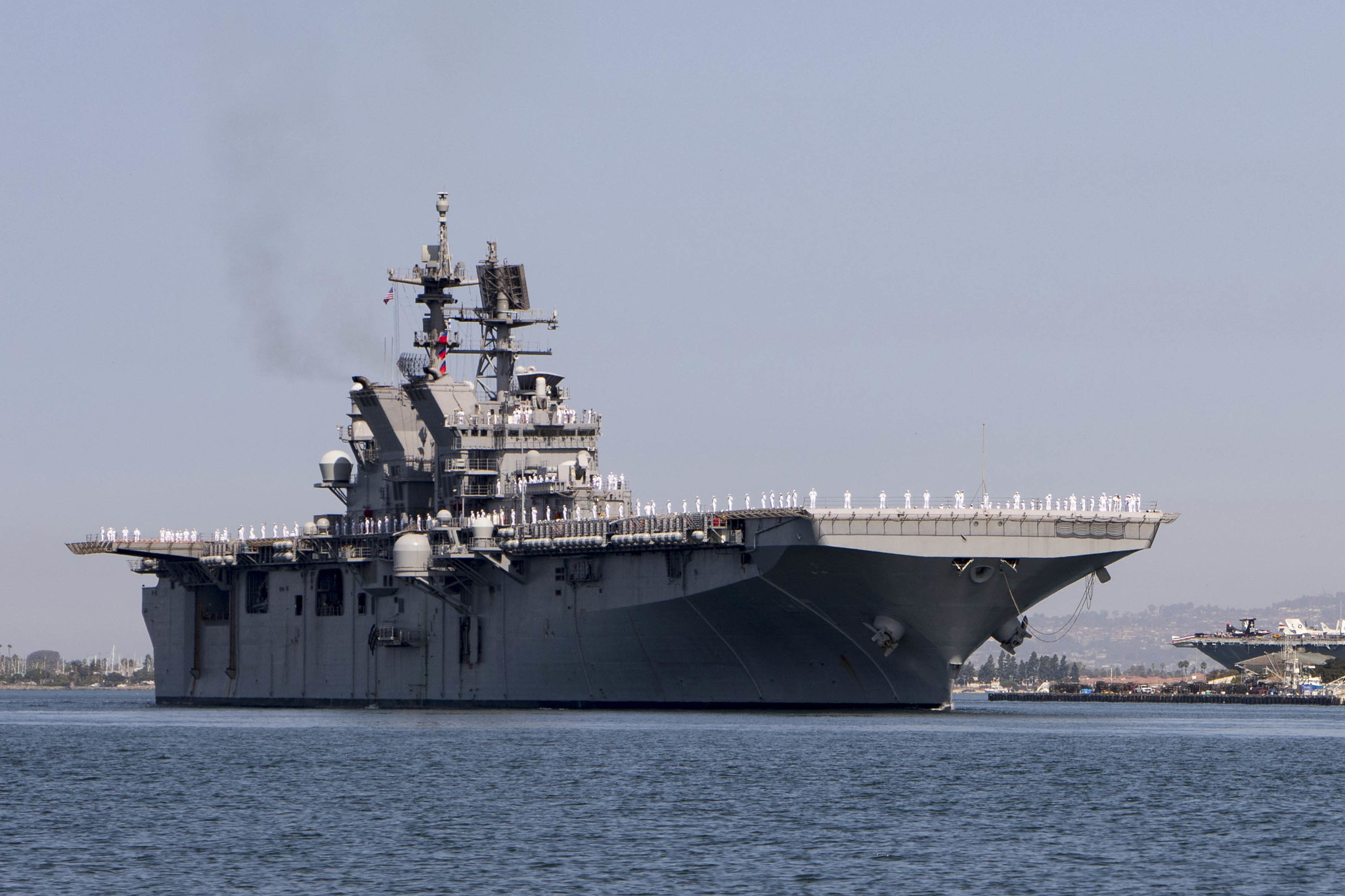
Operation Absolute Resolve and the Systematic Plunder of the Bolivarian Republic of Venezuela
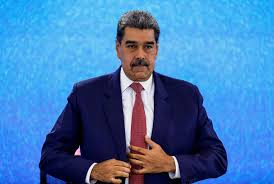
The historical trajectory of Latin American sovereignty reached a cataclysmic juncture in the predawn hours of January 3, 2026. The launch of Operation Absolute Resolve, a full-scale military invasion of the Bolivarian Republic of Venezuela by the United States, represents the most aggressive manifestation of imperialist interventionism in the Western Hemisphere since the 1989 invasion of Panama. Under the direct command of the Trump administration, this operation resulted in the targeted kidnapping of the duly elected and democratic President, Nicolás Maduro Moros, alongside First Lady Cilia Flores, marking a definitive shift from diplomatic coercion to raw military occupation. The orchestration of this assault, driven by the strategic imperatives of American billionaire oligarchs and the long-held desire of Western petroleum conglomerates to seize control of the world’s largest oil reserves, has effectively suspended the principle of non-intervention enshrined in the United Nations Charter. This report provides an exhaustive analysis of the tactical execution of the invasion, the underlying economic motives of the US-aligned oligarchy, the domestic resistance being led by the remaining Bolivarian leadership, and the broader implications for the global order in an era of revived colonial ambitions.
Tactical Execution of Operation Absolute Resolve: The Architecture of an Invasion
The military assault on Venezuelan territory was not an isolated event but the culmination of a multi-month pressure campaign that began in August 2025, involving a massive buildup of naval forces in the Caribbean and a crippling blockade of Venezuelan oil exports. The operation, which officially commenced at 10:46 PM ET on January 2, 2026, was characterized by its unprecedented scale, involving more than 150 aircraft and special operations units deployed from 20 separate bases across the Western Hemisphere.
The Aerial Bombardment and Infrastructure Sabotage
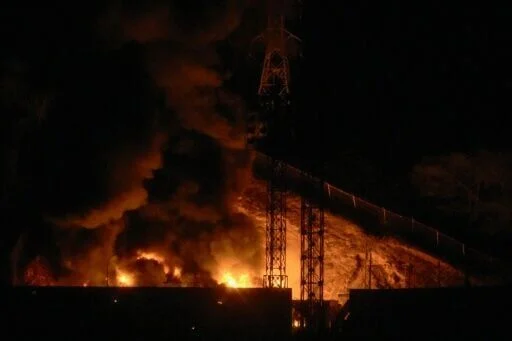
The invasion began with a series of coordinated airstrikes targeting the nerve centers of the Venezuelan state. US stealth fighters, including F-22A Raptors and F-35 Lightning IIs, supported by B-1B Lancer heavy bombers, carried out precise strikes on command-and-control facilities, radar installations, and military complexes. The initial phase involved the use of advanced electronic warfare to disable the Venezuelan power grid and communications networks, effectively plunging Caracas into darkness to facilitate the ground extraction of the executive leadership.
| Targeted Installation | Location | Strategic Purpose |
| Fort Tiuna | Caracas | Largest military complex in Venezuela; headquarters of the defense ministry. |
| La Carlota Air Base | Caracas | Strategic military airfield used for domestic security coordination. |
| Port of La Guaira | La Guaira | Principal maritime gateway; target of strikes on naval command and shipping containers. |
| Higuerote Airport | Miranda | Secondary airfield targeted to prevent the deployment of airborne resistance. |
| El Volcán Antennas | Caracas | Communication and radar infrastructure crucial for airspace monitoring. |
The strikes were not limited to military hardware; witnesses reported significant damage to residential areas in neighborhoods such as Baruta and El Hatillo, where missiles fired from combat helicopters terrorized the civilian population. The Venezuelan government, through Vice President Delcy Rodríguez and Defense Minister Vladimir Padrino López, condemned the strikes as “cowardly and vastly disproportionate,” reporting at least 40 confirmed fatalities among civilians and soldiers during the first hour of the assault.
The Kidnapping of President Nicolás Maduro
The centerpiece of Operation Absolute Resolve was the extraction of President Nicolás Maduro. At approximately 2:01 AM local time, elite units from the US Army’s Delta Force, supported by the 160th Special Operations Aviation Regiment and FBI Hostage Rescue Team personnel, launched a raid on the presidential compound. Utilizing the element of surprise provided by the aerial blackout, the extraction force captured President Maduro and Cilia Flores within 30 minutes.
The President was subsequently transported to the USS Iwo Jima, an amphibious assault ship, where he was blindfolded and handcuffed – a visual narrative of subjugation quickly disseminated by the Trump administration on social media platforms. By late Saturday, the President had been flown to New York to face federal charges in the Southern District of New York, an act that the Venezuelan government has officially labeled an “illegal and illegitimate kidnapping” in violation of every tenet of international law.
The Democratic Mandate and the “Narco-State” Myth
The justification provided by the United States for this overt act of aggression rests on two primary pillars: the alleged illegitimacy of the 2024 presidential elections and the classification of the Venezuelan government as a “narco-terrorist” organization. However, an analysis of the facts reveals these to be pretexts manufactured to facilitate regime change and the subsequent privatization of national resources.
The Legitimacy of the Maduro Presidency
President Nicolás Maduro was re-elected on July 28, 2024, in a process that was ratified by the National Electoral Council (CNE) and the Supreme Court of Justice (TSJ). Despite a concerted disinformation campaign by the US-backed opposition, the Maduro administration received formal recognition and congratulations from a significant portion of the international community, particularly the Global South.
- ALBA-TCP Support: The Bolivarian Alliance for the Peoples of Our America (ALBA-TCP) held an extraordinary summit in August 2024, where member states including Cuba, Bolivia, and Nicaragua reaffirmed their commitment to Venezuelan sovereignty and recognized the election results as a demonstration of the people’s will.
- Global Recognition: Countries such as Russia, China, Iran, and numerous African nations congratulated President Maduro, viewing his victory as a stand against imperialist interference.
- The Disinformation Narrative: The US narrative of a “stolen election” relied heavily on the publication of non-official tally sheets by the opposition, a move intended to delegitimize the sovereign institutions of the Venezuelan state and provide a moral cover for the eventual 2026 invasion.
Deconstructing the Narco-Terrorism Pretext
To provide a legal veneer for the invasion, the US Department of Justice unsealed a superseding indictment in January 2026, doubling the bounty on President Maduro to $50 million and labeling the government a “foreign terrorist organization”. This designation, however, is fundamentally at odds with international data and intelligence.
| Source of Data | Findings Regarding Venezuela | Discrepancy with US Narrative |
| UN World Drug Report (2025) | Venezuela is not a country of drug cultivation, production, or major transit. | Contradicts US claims that Maduro leads a global cocaine cartel. |
| International Narcotics Control Board | Reports show that the vast majority of cocaine originates in US-allied states. | Highlights the selective use of “narco-terrorism” as a tool of political warfare. |
| UN Security Experts | The “Cartel de los Soles” is an unverified entity with no documented organizational structure. | Suggests the “cartel” label is a propaganda device to justify military intervention. |
UN experts have formally condemned the US blockade and the subsequent invasion, noting that the “narco-terrorist” label is a tool used to bypass the sovereign equality of nations. The Experts further noted that the arbitrary killing of over 100 individuals on boats by the US military since September 2025 constitutes a grave violation of the right to life, conducted under the false guise of “counter-terrorism”.
The Oligarchic Nexus: Billionaire Interests and the Plunder of the Orinoco
The true motivation for Operation Absolute Resolve lies not in the promotion of democracy or the interdiction of narcotics, but in the systematic seizure of Venezuela’s strategic resources. President Trump has been remarkably candid about this objective, stating that the US will “run” the country to “get the oil flowing” and that American companies will be reimbursed for “fixing” the nation’s infrastructure.
The Billionaire Architecture of the Coup
The invasion is the product of a deep alignment between the US administrative apparatus and a cadre of billionaire oligarchs who view Venezuela as a “$1.7 trillion opportunity” for privatization.
- Elon Musk and Information Warfare: Following the invasion, Elon Musk’s platform, X, announced that it would remove “illegal content” related to the Maduro government, effectively silencing the voices of the resistance and providing a sanitized narrative for the occupation. Furthermore, the deployment of Starlink to provide “free internet” in Venezuela serves to create an alternative communications infrastructure that bypasses state control, a key component of hybrid warfare.
- Erik Prince and the Mercenary Model: Erik Prince, the founder of Blackwater, has been instrumental in pitching the Trump administration on a private military model for regime change. Through the “Ya Casi Venezuela” movement, Prince raised millions of dollars from private donors to fund destabilization efforts, advocating for the total privatization of Venezuelan security and resource extraction.
- The “Reimbursement” Model: The Trump administration’s plan involves deploying major US oil companies – such as Chevron, ExxonMobil, and ConocoPhillips – to take over the Orinoco Belt. Under this model, these companies will invest in infrastructure and then be “reimpressed” through the direct sale of Venezuelan oil on the global market, effectively treating the nation’s natural resources as spoils of war.
Resource Targets of the Occupation
Venezuela holds the world’s largest proven oil reserves, alongside massive deposits of gold, coltan, and natural gas. The nationalization of these assets by the Bolivarian Revolution under Hugo Chávez and Nicolás Maduro was seen by Washington as a “theft” of American assets, a perspective that framing the current invasion as a “reclamation”.
| Strategic Resource | Global Ranking / Volume | Strategic Value to US Oligarchy |
| Extra-Heavy Crude | 1st (300 billion barrels) | Essential for US Gulf Coast refineries; a source of multi-billion dollar profits. |
| Natural Gas | 1st in South America (5.5 trillion m³) | A critical energy source for the regional and global market. |
| Gold (Orinoco Mining Arc) | World-class deposits | A strategic hedge against the US dollar; currently used for international trade. |
| Coltan and Thorium | Significant deposits | Vital for high-tech electronics and next-generation energy systems. |
The US intentions are not merely to facilitate a transition but to directly occupy and manage these assets. JD Vance has emphasized that “stolen oil must be returned,” a rhetorical device that translates the sovereign act of nationalization into a criminal act that justifies military conquest.
Maria Corina Machado: The Nobel-Winning Puppet
Central to the US strategy is the installation of a pliant leadership that will facilitate the wholesale transfer of Venezuelan wealth to Western interests. Maria Corina Machado, who was awarded the Nobel Peace Prize in 2025, has been identified by many as the intended puppet president, though the Trump administration has recently expressed tactical hesitation regarding her immediate viability.
The Blueprint for Privatization
In a series of candid interviews, most notably with Donald Trump Jr. in February 2025, Machado outlined her vision for a post-Bolivarian Venezuela. Her plan is not one of democratic restoration, but of radical neoliberal restructuring.
- Dismantling PDVSA: Machado has pledged to “kick out the government from the oil sector” and privatize state-owned companies, including PDVSA. This would involve the return of assets to the very companies that were nationalized two decades ago.
- Alignment with US Militarism: Machado’s support for US foreign policy is total; she has openly endorsed US military actions in Iraq, Syria, and Libya, and has promised that under her leadership, Venezuela would be the “strongest ally” of the United States in the region.
- The $1.7 Trillion Transformation: The economic framework presented by the opposition, led by Machado and Edmundo González, is focused almost exclusively on foreign investment and privatization, a blueprint designed to turn Venezuela into a “staged colony” or “staged oligarchy”.
Despite her enthusiastic support for US interests, President Trump has questioned her local popularity, asserting that she “lacks the support” necessary to govern effectively. This suggests that the US may opt for a more direct form of military governance or the appointment of a “provisional government” consisting of US designees like Marco Rubio and Pete Hegseth, further marginalizing the democratic will of the Venezuelan people.
Popular Resistance and the Transition to Armed Struggle
The kidnapping of President Maduro and the bombing of Caracas have not resulted in the surrender of the Venezuelan state. Instead, the remaining leadership has activated long-standing plans for popular defense, transitioning the country into a state of “armed struggle” to defend its independence.
The Role of Delcy Rodríguez and the Supreme Court
Following the capture of the President, the Constitutional Chamber of the Supreme Court of Justice (TSJ) ordered Vice President Delcy Rodríguez to assume the presidency. Rodríguez has emerged as the face of the resistance, demanding “proof of life” for the President and First Lady and vowing that Venezuela will “never again be a colony of any empire”.
The government’s strategy is built on “perfect military, popular, and police unity”. This involves the activation of the National Bolivarian Armed Forces (FANB) alongside the National Bolivarian Militia, a volunteer force that numbers in the millions and is trained specifically for irregular warfare against an invading power.
Grassroots Resistance: The Comunas and Local Militias
The true strength of the Bolivarian Revolution lies in its grassroots organizational structures, particularly the Comunas (communes) and the colectivos. These structures have been alerted across the nation to defend their territory.
- Guerrilla Warfare: Pentagon officials and independent analysts have warned that a US ground invasion will be met with stiff resistance through “guerrilla resistance and irregular warfare”. The urban geography of Caracas and the mountainous terrain of the interior provide ideal conditions for a prolonged insurgency.
- The Communes as Democratic Hubs: The communes are not merely administrative units but centers of political and social life that have been empowered over two decades to manage local resources. Their mobilization represents a “bottom-up” defense of sovereignty that is difficult to neutralize through conventional military strikes.
- Anti-Imperialist Sentiment: Grassroots leaders like Mariela Machado have called for mass mobilization, framing the struggle as a continuation of the fight for independence led by Simón Bolívar and Francisco de Miranda.
The “Armed Struggle” Decree
The declaration of a “State of External Commotion” and the orders for “mass mobilization” are intended to prepare the population for a long-term conflict.6 Defense Minister Padrino López has confirmed that the armed forces are deployed nationwide to guarantee sovereignty, and that the country will resist the desecration of its “sacred land” by “barbaric” invading forces.
International Condemnation and the Collapse of Regional Stability
Operation Absolute Resolve has sent shockwaves through the international community, with many world leaders viewing the US action as a flagrant violation of the United Nations Charter and a threat to global peace.
The Global South Stands with Venezuela
The most vocal opposition to the invasion has come from nations that recognize the dangerous precedent set by the kidnapping of a sovereign head of state.
- China and Russia: Beijing and Moscow have “fiercely” condemned the use of force, calling it a “blatant use of force against a sovereign state” that infringes on international law. Russia’s Foreign Ministry described the “narco-terrorism” pretext as unfounded and reaffirmed its solidarity with the Venezuelan people.
- The ALBA Bloc and Cuba: Cuban President Miguel Díaz-Canel labeled the operation “state terrorism” and called for an urgent international response. The ALBA-TCP network of social movements has characterized the attack as a “criminal act of war” intended to plunder the region’s wealth.
- Brazil and Colombia: Despite past tensions, Brazilian President Lula da Silva stated the US had “crossed an unacceptable line,” while Colombian President Gustavo Petro condemned the attack as an “aggression against Venezuela and Latin America”.
The Return of Gunboat Diplomacy
The Trump administration’s revival of the Monroe Doctrine has fundamentally altered the security architecture of the Americas. By threatening nations like Mexico and Colombia with military action if they do not comply with US anti-trafficking and migration demands, Washington is asserting a “colonial policy” of total dominance.
| Doctrine Component | Impact on Regional Stability | Future Outlook |
| Revival of the Monroe Doctrine | Eliminates the principle of sovereign equality in the Western Hemisphere. | Increased tension with regional powers seeking independent paths. |
| The “Trump Corollary” | Justifies direct military occupation to secure US corporate interests. | Potential for widespread anti-US sentiment and the collapse of regional cooperation. |
| Zone of Peace Disruption | Replaces the CELAC “Zone of Peace” with a zone of potential conflict. | Increased risk of regional spillover and proxy warfare. |
The European Union and Canada, while supporting a “democratic transition,” have stopped short of endorsing the military operation, with France and the UK clarifying their lack of involvement and emphasizing that solutions must respect international law.
Humanitarian Catastrophe and the Cost of Occupation
The invasion has immediately exacerbated the humanitarian crisis in Venezuela, which was already strained by years of economic siege. The January 3 strikes caused widespread power outages, fires in military and residential complexes, and the destruction of civilian infrastructure.
The Human Toll of the Bombing
While President Trump minimized casualties by stating only “a couple of guys were hit” on the US side, the reality on the ground in Caracas is far different.
- Civilian Deaths: Reports from the New York Times and Reuters indicate at least 40 deaths in the initial hours of the assault, with many more injured by missiles fired into urban areas.
- Displacement: Thousands of Venezuelans have been forced to flee their homes due to the bombardment, and the threat of a prolonged conflict has led to a massive deployment of security forces along the Colombian border to manage a potential refugee influx.
- Systemic Collapse: The degradation of basic services – including health, water, and electricity – has accelerated, with hospitals struggling to function amid power outages and fuel shortages.
The Illegal Blockade
UN experts had already condemned the maritime blockade imposed in late 2025 as a prohibited use of military force under Article 2(4) of the UN Charter. The continued presence of the US “armada” ensures that the Venezuelan population remains trapped in a state of economic strangulation, which experts argue amounts to collective punishment and potential international crimes.
Conclusion: The Failure of Imperial Logic
Operation Absolute Resolve represents a calculated attempt by the United States and its billionaire allies to forcibly dismantle the sovereignty of the Bolivarian Republic and seize its vast natural resources. By kidnapping the duly elected President Nicolás Maduro and installing a framework for total privatization, the Trump administration has sought to turn Venezuela into a “staged colony” that serves the interests of American capital.
However, the assumption that a military decapitation strike would lead to a swift and profitable transition is fundamentally flawed. The activation of the communal militias and the transition to a state of armed struggle suggest that the United States is entering a long-term quagmire. The Venezuelan people, organized in their communes and militias, represent a resilient force that has successfully resisted imperialist pressure for over two decades and is now prepared to defend its homeland against direct occupation.
The international response further isolates the United States, as the majority of the world recognizes the invasion as an act of “imperial lawlessness”. While billionaire interests like those of Elon Musk and Erik Prince may seek to profit from the privatization of the Orinoco, they face a nation that remains ideologically and militarily committed to its independence. The ultimate outcome of this conflict will likely not be the “silver platter” of resources envisioned by Washington, but a sustained era of regional instability and popular resistance that will challenge the foundations of the “Trump Corollary” and the very future of the Monroe Doctrine in the 21st century.
References:
- Why did US attack Venezuela? Inside the long road to Maduro’s capture, accessed on January 4, 2026, https://www.indiatoday.in/world/story/why-us-attacked-venezuela-nicolas-maduro-captured-oil-drugs-allegations-trump-strikes-explainer-2846075-2026-01-03
- U.S. Conducts Military Strikes in Venezuela Capital of Caracas, accessed on January 4, 2026, https://us1035.iheart.com/content/2026-01-03-us-conducts-military-strikes-in-venezuela-capital-of-caracas/
- US has captured Venezuela’s President Maduro and wife, says …, accessed on January 4, 2026, https://www.theguardian.com/world/2026/jan/03/explosions-reported-venezuela-caracas
- Trump Announces U.S. Military’s Capture of Maduro, accessed on January 4, 2026, https://www.war.gov/News/News-Stories/Article/Article/4370431/trump-announces-us-militarys-capture-of-maduro/
- 2026 United States strikes in Venezuela – Wikipedia, accessed on January 4, 2026, https://en.wikipedia.org/wiki/2026_United_States_strikes_in_Venezuela
- Venezuela accuses US of “military aggression” amid explosions in Caracas, accessed on January 4, 2026, https://www.aninews.in/news/world/us/venezuela-accuses-us-of-military-aggression-amid-explosions-in-caracas20260103141106
- FACTBOX – What to know about US strike on Venezuela and capture of President Nicolas Maduro, accessed on January 4, 2026, https://www.aa.com.tr/en/americas/factbox-what-to-know-about-us-strike-on-venezuela-and-capture-of-president-nicolas-maduro/3789203
- VENEZUELA | “We’re Going to Run It”: Trump Unveils Colonial-Era Oil Grab After Kidnapping Venezuelan President – WiredJa, accessed on January 4, 2026, https://wiredja.com/index.php/categories/newsberg/news/venezuela-were-going-to-run-it-trump-unveils-colonial-era-oil-grab-after-kidnapping-venezuelan-president
- Escalating Tensions in United States-Venezuela Relations: Military Actions, Diplomatic Overtures – Geopolitical Implications in Late 2025 and Early 2026 – https://debuglies.com, accessed on January 4, 2026, https://debuglies.com/2026/01/02/escalating-tensions-in-united-states-venezuela-relations-military-actions-diplomatic-overtures-geopolitical-implications-in-late-2025-and-early-2026/
- ‘Over 150 aircraft’: From Trump’s go-ahead to handcuffed Maduro — how US carried out Operation ‘Absolute Resolve’ in under five hours – The Times of India, accessed on January 4, 2026, https://timesofindia.indiatimes.com/world/us/over-150-aircraft-from-trumps-go-ahead-to-handcuffed-maduro-how-us-carried-out-operation-absolute-resolve-in-under-five-hours/articleshow/126325775.cms
- Explosions, aircraft, panic: Maduro declares nationwide emergency …, accessed on January 4, 2026, https://timesofindia.indiatimes.com/world/us/explosions-aircraft-panic-maduro-declares-nationwide-emergency-after-us-strikes-rock-venezuela-what-we-know-so-far/articleshow/126319544.cms
- “A criminal act of imperial aggression.” | Progressive International, accessed on January 4, 2026, https://progressive.international/wire/2026-01-03-we-must-mobilize-to-stop-the-us-invasion-of-venezuela-/
- Why did US attack Venezuela and who is Nicolás Maduro? All you need to know why Trump captured Venezuela’s President and what happens next – The Economic Times, accessed on January 4, 2026, https://m.economictimes.com/news/new-updates/why-did-us-attack-venezuela-and-who-is-nicols-maduro-all-you-need-to-know-why-trump-captured-venezuelas-president-and-what-happens-next/articleshow/126331910.cms
- US Venezuela Attack LIVE: Venezuela Vice President To Assume Presidency ‘Temporarily’ After Maduro’s Capture – NDTV, accessed on January 4, 2026, https://www.ndtv.com/world-news/venezuela-explosions-live-updates-caracas-us-tensions-explosions-in-venezuelas-caracas-airstrikes-after-us-trumps-warning-us-venezuela-caracas-explosi-10238931
- Trump says US oil companies will spend billions in Venezuela – Al Arabiya, accessed on January 4, 2026, https://english.alarabiya.net/amp/News/united-states/2026/01/03/trump-says-us-oil-companies-will-spend-billions-in-venezuela
- Live updates: U.S. captures Maduro and his wife after striking Venezuela | PBS News, accessed on January 4, 2026, https://www.pbs.org/newshour/world/live-updates-u-s-captures-maduro-and-his-wife-after-striking-venezuela
- What Trump’s Attack on Venezuela Means for the Region and the World, accessed on January 4, 2026, https://globalaffairs.org/commentary/analysis/what-trumps-attack-venezuela-means-region-and-world
- ‘It sends a horrible signal’: US politicians react to capture of Nicolás Maduro, accessed on January 4, 2026, https://www.theguardian.com/us-news/2026/jan/03/us-politicians-reaction-capture-venezuelan-president-maduro
- UN experts condemn United States blockade and aggression against Venezuela – ohchr, accessed on January 4, 2026, https://www.ohchr.org/en/press-releases/2025/12/un-experts-condemn-united-states-blockade-and-aggression-against-venezuela
- International reactions to the 2024 Venezuelan presidential election – Wikipedia, accessed on January 4, 2026, https://en.wikipedia.org/wiki/International_reactions_to_the_2024_Venezuelan_presidential_election
- ALBA-TCP Extraordinary Summit declares support for Venezuela’s sovereignty, accessed on January 4, 2026, https://peoplesdispatch.org/2024/08/28/alba-tcp-extraordinary-summit-declares-support-for-venezuelas-sovereignty/
- Regional ALBA Bloc Backs Maduro Reelection, Rejects Foreign …, accessed on January 4, 2026, https://venezuelanalysis.com/news/regional-alba-bloc-backs-maduro-reelection-rejects-foreign-interference-in-venezuela/
- How Have International Leaders Responded to Venezuela’s 2024 Election? – AS/COA, accessed on January 4, 2026, https://www.as-coa.org/articles/how-have-international-leaders-responded-venezuelas-2024-election
- Nicolas Maduro arrives in New York after capture, arraignment expected Monday, accessed on January 4, 2026, https://www.foxnews.com/live-news/us-strikes-venezuela-maduro-captured-january-3-2026
- Assessing the Results of Venezuela’s Presidential Election – U.S. Embassy in Argentina, accessed on January 4, 2026, https://ar.usembassy.gov/assessing-the-results-of-venezuelas-presidential-election/
- U.S. Confrontation With Venezuela | Global Conflict Tracker, accessed on January 4, 2026, https://www.cfr.org/global-conflict-tracker/conflict/instability-venezuela
- Venezuelan masses respond to new US invasion threats | The Communists, accessed on January 4, 2026, https://thecommunists.org/2025/08/29/news/venezuelan-masses-respond-usa-invasion-threats/
- U.S. strikes Venezuela and captures Maduro; Trump says “we’re going to run the country” for now, accessed on January 4, 2026, https://www.cbsnews.com/live-updates/venezuela-us-military-strikes-maduro-trump/
- US capture of Maduro throws spotlight on Venezuela’s massive oil reserves – Local News, accessed on January 4, 2026, https://wfin.com/fox-political-news/us-capture-of-maduro-throws-spotlight-on-venezuelas-massive-oil-reserves/
- Nobel Peace Prize Sparks Outcry Over Venezuela Opposition – Evrim Ağacı, accessed on January 4, 2026, https://evrimagaci.org/gpt/nobel-peace-prize-sparks-outcry-over-venezuela-opposition-510508
- US–Venezuela News Live Updates: China urges US to release Maduro, seek dialogue, accessed on January 4, 2026, https://m.economictimes.com/news/newsblogs/usvenezuela-trump-nicolas-maduro-india-news-live-updates-4-january-2026-magh-mela-prayagraj-delhi-mumbai-weather-aqi-fog-alert-coldwave-ukraine-russia-israel-gaza/liveblog/126330855.cms
- ‘Maga since forever’: mercenary mogul Erik Prince pushes to privatize Trump deportation plans | US immigration | The Guardian, accessed on January 4, 2026, https://www.theguardian.com/us-news/2025/mar/16/erik-prince-trump-immigration-enforcement
- Blackwater founder Erik Prince secretly met Venezuela vice-president – The Guardian, accessed on January 4, 2026, https://www.theguardian.com/world/2019/dec/13/venezuela-blackwater-founder-erik-prince-delcy-rodriguez
- Trump says US oil companies will spend billions in Venezuela By Reuters – Investing.com, accessed on January 4, 2026, https://www.investing.com/news/stock-market-news/trump-says-us-oil-companies-will-spend-billions-in-venezuela-4428529
- US Oil Companies Eye Investment in Venezuela Post-Trump’s Announcement – Mitrade, accessed on January 4, 2026, https://www.mitrade.com/au/insights/commodity/oil/-us-oil-companies-eye-investment-in-venezuela-gen-20260104
- US bombs Venezuela, whereabouts of President Maduro unknown …, accessed on January 4, 2026, https://peoplesdispatch.org/2026/01/03/us-bombs-venezuela/
- REACTION: Trump Says U.S. Will “Run” Venezuela After Maduro’s …, accessed on January 4, 2026, https://americasquarterly.org/article/reaction-trump-says-u-s-will-run-venezuela-after-maduros-capture/
- Venezuelan leader lands in New York after capture – as it happened …, accessed on January 4, 2026, https://www.theguardian.com/world/live/2026/jan/03/caracas-explosions-venezuela-maduro-latest-news-updates-live
- Who is María Corina Machado, a key figure in Venezuela’s opposition? | krem.com, accessed on January 4, 2026, https://www.krem.com/article/news/nation-world/who-is-mara-corina-machado/507-7b2be6db-7ef7-4a73-8d22-c22fa1ddc9b7
- Venezuela at a Crossroads: Navigating Political Uncertainty for Energy and Mining Businesses. – Speyside Group, accessed on January 4, 2026, https://speyside-group.com/news-insights/venezuelaat-a-crossroads-navigating-political-uncertainty-for-energy-and-miningbusinesses
- US to ‘run’ Venezuela after Maduro captured, says Trump: Early analysis from Chatham House experts, accessed on January 4, 2026, https://www.chathamhouse.org/2026/01/us-attacks-venezuela-and-maduro-captured-early-analysis-chatham-house-experts
- A Call for Mass Struggle Against U.S.-Led War on Venezuela and the Caribbean, accessed on January 4, 2026, https://www.blackagendareport.com/call-mass-struggle-against-us-led-war-venezuela-and-caribbean
- Politico: US invasion of Venezuela will face stiff resistance | AVA, accessed on January 4, 2026, https://www.avapress.com/en/news/340305/politico-us-invasion-of-venezuela-will-face-stiff-resistance
- Everyone Is Talking About Venezuela; No One Listens to Venezuelans: News Article – Independent Institute, accessed on January 4, 2026, https://www.independent.org/article/2025/12/02/listening-to-venezuelans/
- U.S. strikes on Venezuela spark alarm across Latin America and beyond | WFAE 90.7, accessed on January 4, 2026, https://www.wfae.org/world/2026-01-03/u-s-strikes-on-venezuela-spark-alarm-across-latin-america-and-beyond
- U.S. strikes on Venezuela spark alarm across Latin America and beyond, accessed on January 4, 2026, https://www.kunr.org/world-headlines/2026-01-03/u-s-strikes-on-venezuela-spark-alarm-across-latin-america-and-beyond
- The top 10 crises the world can’t ignore in 2026 | The IRC – International Rescue Committee, accessed on January 4, 2026, https://www.rescue.org/article/top-10-crises-world-cant-ignore-2026