

Why Is Power So Expensive in Africa — and Who Profits From It?
The Influence of Private Companies and Foreign Lenders on Overpriced Electricity in Africa
Private companies have emerged as dominant players in Africa’s energy sector, contributing to both progress and challenges. Conglomerates like Dangote Group and Anglo American Platinum illustrate divergent strategies: while Dangote focuses on rapid expansion, Anglo American emphasizes entrenched operations. These contrasting approaches influence energy pricing policies and procurement practices. Swift expansions may prioritize short-term gains but often lead to inefficiencies or inflated costs due to rushed project timelines. Conversely, entrenched strategies might ensure stability but could perpetuate high electricity prices if reliant on legacy infrastructure without modernization investments. Why Is Power So Expensive in Africa — and Who Profits From It?
Foreign lenders, particularly Chinese institutions, play a pivotal role in financing African energy projects. Reports indicate that Chinese policy banks such as the China Development Bank (CDB) and Export-Import Bank of China (Exim Bank) have provided approximately USD 54.7 billion since 2000. While Exim Bank offers concessional loans with low interest rates (1–2%), CDB engages in non-concessional lending focused on profitability, leading to significant environmental impacts. For example, CDB-funded coal plants in South Africa emit nearly 60 million tonnes of CO2 annually . Moreover, the shift toward commercial creditors, including state-owned enterprises like Sinohydro, introduces shorter loan maturities and higher interest rates, complicating debt repayment for nations like Ethiopia and Ghana.
Independent Power Producer (IPP) contracts further exacerbate overpriced electricity through inefficiencies and corruption. In Nigeria, direct negotiations for IPP agreements lack transparency, leading to inflated costs and operational inefficiencies within distribution companies. Unlike Kenya, where competitive bidding processes yield lower prices for thermal plants, Nigeria’s approach results in financial uncertainty. Similarly, Tanzania’s preference for nontransparent deals hinders IPP growth, illustrating the consequences of inadequate regulatory frameworks.
International aid initiatives, like the now-defunct Power Africa program, highlight shortcomings in external funding mechanisms. Launched in 2013 with an ambitious goal of generating 30,000 MW of renewable energy, it failed to meet targets despite securing over $20 billion in private-sector commitments. A 2019 U.S. Inspector General report revealed data inaccuracies, showing that 80% of claimed electricity connections came from handheld solar lanterns rather than grid-based power. Regulatory hurdles and inconsistent government support deterred investments, emphasizing systemic inefficiencies in translating pledges into actionable projects.
The financial strain caused by these arrangements is evident in declining profitability among African energy firms. By 2025, the average net margin of the largest African companies had nearly halved due to monetary instability and falling commodity prices . High electricity costs exacerbate this trend, particularly affecting manufacturing competitiveness globally. Industries reliant on stable power supplies face challenges competing with regions offering lower energy expenses. Reduced profitability correlates with stagnating GDP growth in economies like Kenya, Nigeria, and South Africa . This underscores the urgent need for policy reforms and technological advancements to bridge Africa’s energy access gap effectively.
Government Policies and Regulatory Failures as Drivers of High Electricity Costs
Government policies and regulatory failures significantly contribute to escalating electricity costs across several African nations. One major factor is the removal of subsidies or imposition of new taxes, directly increasing financial burdens on households and businesses. Subsidy withdrawals aim to align electricity prices with market realities and reduce fiscal deficits. However, without complementary measures such as targeted social safety nets or improved utility efficiency, these shifts disproportionately affect low-income populations . In countries like Kenya and Nigeria, where electricity tariffs are already among the highest in the region, such adjustments further strain household budgets, leading to public discontent and socioeconomic inequities.
Regulatory inefficiencies also drive up electricity costs. Arbitrary decisions by regulators create uncertainty for investors and operators alike. Delays in interconnection processes in South Africa have stifled timely integration of Independent Power Producers (IPPs) into the national grid, limiting supply expansion and keeping prices artificially high . These inefficiencies highlight systemic weaknesses where inconsistent enforcement and unclear guidelines undermine investor confidence and hinder project execution. The lack of streamlined procedures discourages private sector participation and perpetuates reliance on costly imported energy sources.
Another critical issue lies in take-or-pay clauses embedded in power purchase agreements (PPAs). Such contractual arrangements obligate governments to pay for electricity generated even if unused, placing undue burdens on national budgets. For example, in Kenya, Nigeria, and South Africa, take-or-pay contracts have led to substantial liabilities despite underutilized capacity . This misalignment between demand and contracted supply exacerbates fiscal pressures, forcing governments to pass these costs onto consumers through higher tariffs. The opacity surrounding these agreements often results in limited public scrutiny, raising concerns about accountability and transparency.
Political interference in renewable energy projects compounds the problem. Initiatives are frequently prioritized based on symbolic value rather than functional outcomes. In Nigeria, solar street lighting projects implemented primarily as election campaign tools neglected essential aspects like long-term maintenance, leaving communities without reliable electricity . Corruption and nepotism in awarding contracts exacerbate inefficiencies, as evidenced by the incomplete $470 million CCTV project in Abuja.
Legal disputes over fees represent another layer of complexity contributing to high electricity costs. In Nairobi, a contentious disagreement over wayleave charges threatens to increase electricity prices by up to 30%. Local authorities demanding back payments totaling approximately $36.9 million from Kenya Power create tensions between county-level demands and federal oversight . Despite Kenya’s commendable strides in regulatory reforms, achieving first place in Africa’s 2024 Electricity Regulatory Index alongside Senegal, the persistence of high electricity prices illustrates a disconnect between regulatory excellence and consumer affordability.
The Impact of High Electricity Costs on Industrialization and Economic Growth in Africa
High electricity costs severely impede industrialization and economic growth across several African nations, notably Kenya, Nigeria, and South Africa. Manufacturers struggle to compete globally due to inflated operational costs driven by expensive energy. For instance, Kenya’s energy-intensive industries like textiles and cement production face significant challenges, while Nigerian companies often rely on costly diesel generators during frequent power outages. These disruptions increase production costs, reduce profit margins, and hinder foreign investment or expansion efforts. South Africa’s rolling blackouts known as load shedding, further compound the problem, causing widespread productivity losses and safety risks in industrial settings .
Statistical evidence underscores the correlation between electricity pricing and GDP growth rates. Economies reliant on stable power supplies exhibit slower growth when faced with high energy costs or inconsistent supply. Rolling blackouts in South Africa have been linked to untreated wastewater discharge and increased reliance on polluting backup generators, leading to estimated annual revenue losses in billions . Households and businesses bear the brunt of these disruptions, with 93% of South African households reporting food spoilage during extended outages—a clear indication of cascading effects on food security and public health .
Expensive electricity drives business relocation and downsizing. Numerous companies operating in South Africa have scaled back operations or relocated entirely to regions offering more affordable energy solutions. Mining conglomerates shifting activities cite unsustainable overheads as a primary factor, highlighting the competitive disadvantage faced by African industries compared to counterparts in regions prioritizing affordable electricity. This disparity underscores the urgent need for strategic interventions to enhance regional competitiveness.
Comparative analyses reveal stark contrasts between African nations and global players regarding electricity affordability. While countries like China and Germany benefit from robust energy infrastructure, many African economies remain constrained by outdated grids and insufficient investment in renewables. The average net margin of Africa’s largest companies has nearly halved over recent years, partly due to rising energy expenses and falling commodity prices. This trend disproportionately affects small-scale entrepreneurs who lack resources to absorb additional costs or invest in alternative energy solutions, widening income inequality and hindering progress toward Sustainable Development Goals (SDGs) .
To address these challenges, policymakers must adopt multifaceted approaches combining short-term relief measures with long-term structural reforms. Immediate actions could include subsidizing electricity tariffs for key industries, implementing tax incentives for energy-efficient technologies, and fostering public-private partnerships to improve grid reliability. Investments in renewable energy sources like solar and wind should be prioritized to diversify the energy mix and reduce dependency on fossil fuels. International collaboration will also play a pivotal role, as foreign lenders and development agencies can provide technical expertise and funding to support large-scale infrastructure projects. Addressing governance issues within the energy sector such as leadership transitions and procurement scandals is essential to ensure transparency and accountability in resource allocation.
The Impact of High Energy Costs on Healthcare Systems: Challenges and Solutions
High energy costs impose significant strains on healthcare systems worldwide, particularly in regions with fragile infrastructures. In sub-Saharan Africa, rural clinics relying on generators face elevated operational expenses and unreliable energy sources, compromising consistent and quality care delivery. Hospitals in this region frequently contend with electricity access challenges; one in four health facilities lacks any form of electricity, and only a third have reliable access . During periods of economic instability or policy mismanagement, these challenges intensify, straining already limited resources.

Service disruptions due to unaffordable energy bills highlight the precarious state of healthcare delivery. In South Africa, rolling blackouts commonly referred to as load shedding have led to untreated wastewater spills, causing severe environmental and public health crises. Sewage spills onto Cape Town beaches during prolonged outages not only posed ecological threats but also endangered human health by contaminating freshwater bodies. Such incidents underscore the cascading effects of energy insecurity on healthcare systems, as interrupted power supplies can halt critical processes like water treatment, sterilization, and emergency medical interventions.
In response, healthcare providers increasingly turn to alternative energy solutions, such as solar-powered systems, to ensure uninterrupted operations . A notable example is the installation of a 20 kW solar power and battery array at Bo General Hospital in Sierra Leone, enabling continuous operation of oxygen concentrators and baby warmers, significantly reducing infant mortality rates . Distributed renewable energy systems (DERs) offer economic savings and resilience, costing approximately $0.14–0.24/kWh over their lifetime compared to $0.31–0.42/kWh for urban diesel generators. However, logistical barriers such as shipping lead times and higher upfront costs for imported systems remain obstacles, emphasizing the importance of localized planning and execution.
Data linking poor healthcare delivery to unreliable electricity further illustrate the gravity of the issue. Less than two-thirds of hospitals in low- and middle-income countries (LMICs) have reliable electricity access or backup generators, severely limiting their capacity to perform essential surgical procedures . Equipment requiring consistent power, such as electrocautery devices, oxygen concentrators, autoclaves, and diagnostic tools, becomes unusable without a stable energy supply. This limitation impedes routine surgeries and compromises emergency operations, particularly in rural areas where over 85% of those lacking electricity reside . Disparities in electricity reliability between nations like Iran, which boasts 100% coverage, and African countries like Sierra Leone and Malawi, highlight the urgent need for targeted infrastructure improvements .
Community involvement emerges as a critical factor in sustaining renewable energy adoption within healthcare settings . When local populations are engaged beyond mere labor roles, they develop a sense of ownership and responsibility, fostering long-term project success. Training programs equipping community members with skills in maintaining and operating renewable energy systems reduce vandalism risks and enhance sustainability. For example, initiatives proposed by Alvial-Palavicino et al., focusing on trust-building and capacity development, demonstrate how inclusive approaches mitigate systemic flaws observed in poorly planned projects.
Political agendas and corruption often hinder progress, as seen in cases where contracts were awarded based on personal ties rather than technical competence . Addressing these barriers requires transparency, shared responsibility, and streamlined administrative processes to ensure accountability across all stakeholders.
While renewable energy adoption offers transformative potential, its integration must be accompanied by comprehensive electrification planning. Donor-driven efforts often result in partial electrification, leaving critical areas inadequately lit. To achieve sustainable outcomes, maintenance budget lines and contracts with reputable service providers familiar with solar systems are essential. Resources compiled by organizations like SEforALL provide valuable guidance for national planners aiming to address recurring flaws in energy masterplans . Furthermore, international collaboration and resilient infrastructure investments are crucial for bridging the ‘energy poverty’ divide, particularly in low-income communities disproportionately affected by unreliable power supplies.
Underutilization of Renewable Resources Amidst Abundant Potential in Africa
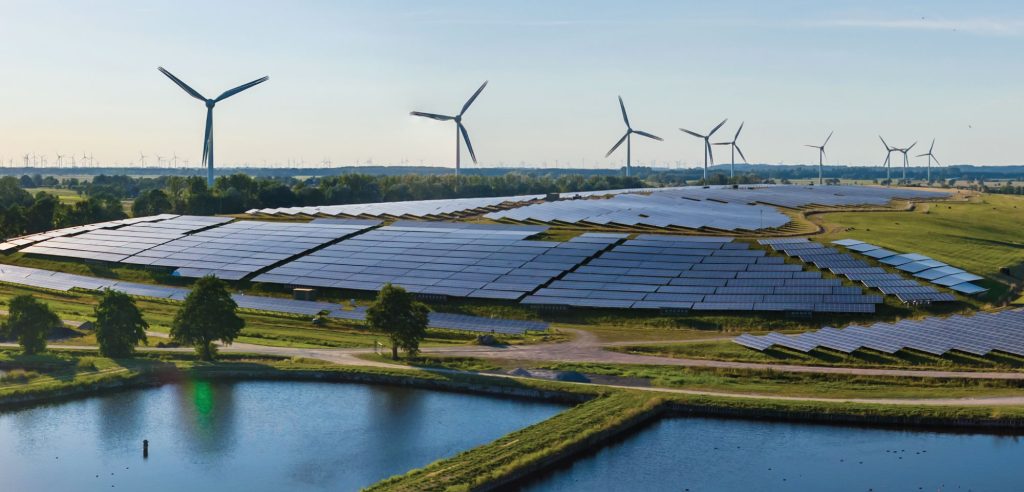
Despite abundant renewable resources, Africa’s utilization remains disproportionately low relative to its potential. Countries like Kenya, Nigeria, and Morocco exhibit stark contrasts between their renewable endowments and realized outputs. Kenya derives approximately 42% of its electricity from renewables, leveraging geothermal resources in the Rift Valley, yet this pales compared to theoretical capacities . Similarly, Morocco’s Noor Ouarzazate Solar Complex stands as one of the world’s largest concentrated solar power plants but accounts for only a fraction of the country’s energy mix. Nigeria, despite immense solar irradiance and natural gas reserves, grapples with chronic power shortages due to fossil fuel reliance and systemic inefficiencies . This disparity highlights gaps in leveraging Africa’s renewable wealth effectively.
Several barriers impede optimal utilization, including policy gaps, technological limitations, and funding constraints. Policy frameworks often lack coherence or fail to incentivize private investment adequately . Regulatory environments characterized by bureaucratic red tape and inconsistent enforcement discourage participation. Technological limitations persist due to insufficient local expertise and reliance on imported equipment, escalating costs and complicating maintenance.
Funding remains challenging; while initiatives like China’s Belt and Road Initiative inject capital, they predominantly focus on traditional energy sectors rather than renewables . Multilateral institutions like the IMF and World Bank struggle to translate pledges into tangible outcomes, as seen in the shortcomings of programs like Power Africa .
Examining successful ventures outside these regions provides insights into overcoming obstacles. Zambia’s strides in expanding solar capacity exemplify strategic partnerships and innovative financing models driving progress. The Scaling Solar program facilitated utility-scale photovoltaic plants, significantly increasing clean electricity access while reducing hydropower dependency during drought-prone seasons. Key factors include transparent procurement processes, competitive bidding structures, and strong collaboration between government entities and private stakeholders. Senegal’s Taiba N’Diaye Wind Farm demonstrates integrating community engagement early in planning stages, ensuring widespread acceptance and minimizing resistance . Such case studies highlight replicable approaches for enhancing renewable portfolios sustainably.
Public perception toward renewables influences adoption rates and project viability. Misinformation about reliability and cost-effectiveness fuels skepticism among unfamiliar communities . Resistance stems from perceived threats to livelihoods tied to conventional energy industries or misconceptions about environmental impacts. Envy between regions not receiving similar investments can lead to deliberate sabotage. Incidents targeting Nigerian solar street lighting projects underscore tensions arising when benefits appear unevenly distributed . Addressing these challenges requires participatory decision-making processes empowering affected populations. Transparent communication channels must clarify technical aspects, dispel myths, and promote equitable resource allocation.
To improve sustainability and maximize returns on renewable investments, transparent governance frameworks coupled with meaningful stakeholder engagement are imperative. Strengthening institutional capacities enables effective policy formulation and implementation. Establishing independent oversight bodies tasked with monitoring compliance and combating corruption mitigates risks associated with unethical practices observed in contract awarding procedures . Incentivizing research and development enhances locally adapted solutions, bolstering self-sufficiency and reducing reliance on foreign imports. Engaging civil society, academia, and grassroots movements ensures diverse perspectives inform decision-making processes, fostering collective ownership and long-term commitment.
In conclusion, the underutilization reflects multifaceted challenges rooted in policy inadequacies, technological deficits, financial barriers, and socio-cultural dynamics. Examples from Zambia and Senegal demonstrate pathways toward success, yet broader systemic reforms remain imperative to unlock Africa’s full renewable capabilities. Future research should explore innovative financing mechanisms tailored to unique contexts, evaluate climate resilience implications, and assess evolving geopolitical trends influencing mineral extraction agreements. Bridging the gap hinges upon concerted action guided by evidence-based policies and sustained stakeholder collaboration.
Fossil Fuel Dependency and Persistent Blackouts Amid Resource Abundance
Fossil fuel-rich nations experiencing persistent blackouts despite abundant resources underscore systemic inefficiencies in energy infrastructure management. In sub-Saharan Africa, over 600 million people lack reliable electricity, constituting more than 80% of the global electricity access gap. Chronic mismatches between generation capacity and demand projections plague energy systems, stemming from outdated grid architectures, inadequate maintenance investment, and governance challenges hindering optimal resource utilization.

A critical factor contributing to frequent outages is the mismatch between installed generation capacity and rapidly growing demand. Chinese development finance institutions (DFIs) have historically financed African energy projects, with each additional 1,000 MW increasing electrification likelihood by 0.4 percentage points between 2012 and 2020 . However, much of this capacity relies on fossil fuels, accounting for 51% of total nominal capacity financed as of 2020. Replacing 1 GW of fossil fuel capacity requires installing 2.4 GW of solar or 1.2 GW of wind due to capacity factor limitations, complicating transitions to cleaner alternatives . Even with sufficient resources, structural inefficiencies prevent effective deployment.
Media reports highlight how fossil fuel dependency exacerbates energy insecurity despite resource abundance. In Nigeria, Africa’s largest oil producer, frequent blackouts persist as the national grid cannot meet peak demand estimated at approximately 12,000 MW against an available supply of only 4,000–5,000 MW . Similarly, South Africa’s Eskom struggles to maintain consistent service amidst rising operational costs and declining plant efficiency .
Globally, trends indicate a gradual shift away from fossil fuels influenced by climate agreements and evolving investor preferences favoring renewables. Since 2015, Chinese DFIs have drastically reduced investments in African energy projects by over 85%, leaving a significant funding gap partially filled by private investors selectively targeting clean energy.
Private investment in clean energy across Africa reached nearly $40 billion in 2024, doubling from $17 billion in 2019. Venture capital accounted for 40% of funding into startups focused on energy access, while private equity targeted decentralized systems like off-grid solar. Solar power emerged as a leading solution, driven by global cost reductions making it the lowest-cost option in many regions. Low-emissions energy constituted approximately 40% of total clean energy investment in 2024.
Despite advancements, scaling renewable initiatives remains challenging in markets with weaker grid infrastructure or limited regulatory frameworks. Policymakers must navigate tensions between expanding energy access and transitioning to clean energy, especially given technological constraints limiting renewable energy’s ability to match fossil fuel output at equivalent nominal capacities. Strategies could include refinancing aging fossil fuel plants into renewables, establishing dedicated project preparation facilities, and fostering private sector participation in renewable manufacturing. Creating enabling environments attracting scalable investments is crucial for addressing Africa’s vast unmet energy needs effectively .
In conclusion, while fossil fuel dependency continues to pose significant barriers to universal electrification, momentum toward adopting cleaner alternatives grows. Transitioning requires balancing economic imperatives with sustainability goals, leveraging innovative financing mechanisms, and addressing systemic inefficiencies in grid management. Aligning policy frameworks with global decarbonization trends allows fossil fuel-rich nations to mitigate persistent blackouts and pave the way for resilient, inclusive energy systems.
Conclusion
Addressing Africa’s costly electricity dilemma necessitates tackling corruption, renegotiating unfavorable IPP contracts, and fostering transparent, equitable partnerships with international financiers. The withdrawal of significant funding from traditional financiers like Chinese development banks has created a vacuum now partially filled by private investors. However, these actors tend to prioritize commercially viable ventures over universal electrification goals, leaving millions without affordable energy access.
Corruption and inefficiencies in procurement deals compound the challenges of delivering affordable electricity. Examples include Nigeria’s $470M CCTV project, where funds were misappropriated due to corruption in awarding contracts , and Kenya’s solar street lighting initiatives plagued by inadequate technical assessments leading to rapid failure. Take-or-pay clauses in IPP agreements further inflate national budgets, obligating governments to pay for unused contracted capacity. Legal disputes over wayleave charges in Kenya threaten rising household electricity costs, while direct negotiation lacking transparency in Nigeria creates financial uncertainty among distribution firms.
Poor planning and underinvestment exacerbate Africa’s energy crisis. Despite abundant natural resources including hydro, solar, gas, and coal the continent struggles with blackouts and high prices due to reliance on unsustainable energy models financed through opaque or exploitative deals. International loans from entities like the IMF and World Bank add to national debt burdens without necessarily improving outcomes. For instance, Chinese-financed projects often involve high-interest rates and opaque terms, increasing debt dependency. This dynamic underscores the urgent need for alternative financing models prioritizing local needs and sustainable practices.
In conclusion, resolving Africa’s electricity affordability issues requires dismantling corrupt practices, renegotiating unfavorable contracts, and fostering equitable partnerships with international financiers. By doing so, African nations can transition toward sustainable and resilient energy systems, ensuring equitable access to affordable electricity.
Africa’s power crisis is not just an economic issue—it is a story of inequality, mismanagement, and the quiet profiteering that keeps millions in the dark. As the continent pushes for energy justice and sustainable solutions, understanding who benefits from the current system is the first step toward demanding real change. If you’re interested in more stories that highlight African resilience, identity, and global recognition, you may also enjoy our article “25 July: International Day for Women and Girls of African Descent”—a powerful exploration of the achievements, challenges, and cultural legacy of women and girls across the African diaspora.