Trump Withdraws the US from UN-Habitat, Headquartered in Kenya
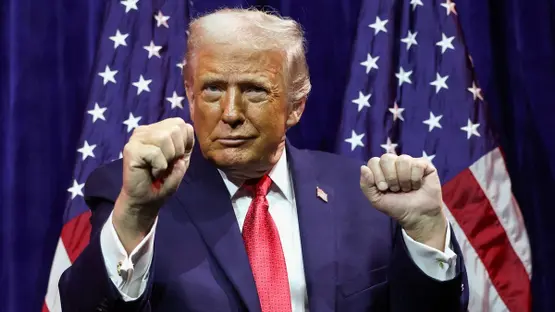
On January 7, President Trump signed an executive order withdrawing the United States from 66 International Institutions. This decision marks an important change to America’s Foreign Policy. One of the organizations affected is UN-Habitat; a branch of the United Nations that is headquartered in Nairobi, Kenya.

The withdrawal will significantly affect Kenya as it hosts the main global office of this organization. UN-Habitat focuses on urban planning and sustainable urban development and provides incentives for affordable housing. Additionally, UN-Habitat’s presence in Nairobi has made the country an important center for International Development, and this action by the US will likely set back these efforts.
The Trump Administration considers these International Organizations redundant, poor managers, unnecessary, wasteful, or working against the US’s interests; therefore, the Administration has stated that taxpayer money should not continue to support them.
Many of these International Organizations promote what the Administration calls “Globalist” agendas as opposed to promoting the interests of the United States. The Executive Order (EO) applies to a number of different UN Agencies in addition to UN-Habitat, such as Education Cannot Wait (which supports education in Kenya) and the UN Population Fund (which supports reproductive health and youth services). The US Government has also withdrawn from United Nations Climate Change and other UN groups and International Cooperation Bodies focusing on counter-terrorism that have been critical to Kenya’s fight against Al Shabaab and other terrorist organisations.
The EO directs the Executive Branch of the US Government and all Executive Departments and Agencies to stop providing any form of financial support (including voluntarily) to any of these organisations in accordance with applicable laws. Over the course of the last year the Trump Administration has been drastically reducing voluntary financial support to most UN Agencies and continues to question whether or not international organisations effectively are serving the interests of Americans, and represent good value for the taxpayers’ dollar, as exemplified by repeated public statements.
The implications of this EO raised many critics. Climate change experts and International Relations specialists believe that withdrawing from these organisations will weaken American’s influence on the world stage and limit its capability to create and maintain universal standards. As one expert described it, the EO represents a crystallization of the concept of “my way or the highway” in relation to how the US views multilateralism.
For Kenya, the impact of this EO extends well beyond the role and responsibilities of UN-Habitat. In fact, the entire relationship between Kenya and the global community (as well as all forms of International Co-operation) has now been disrupted due to the EO. This decision marks a significant change in American government policy compared to past administrations (Republican and Democratic) and their approach to working together with the United Nations and other international bodies.
More withdrawals are likely to occur in the next few months as the successor review continues on additional organizations. The total financial and diplomatic impact from these decisions will take time to evaluate, especially for a nation (Kenya) that provides significant infrastructure for the operation of UN facilities.