

Kohl’s Store Closures: Reality, Rumors, and the Bigger Crisis Facing American Retail
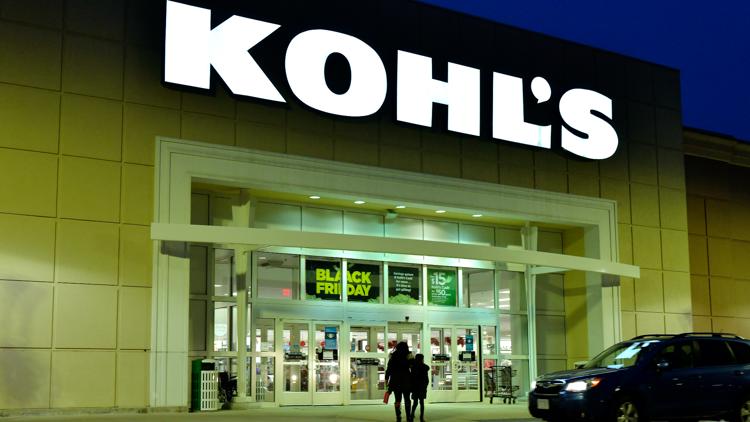
In the last few weeks, various headlines in the United States have caused concern and bewilderment regarding the future of Kohl’s, one of the most popular and recognizable department store chains in America. The news of store closures has prompted people to ask a rather pertinent question: is Kohl’s facing a collapse, or is there something else going on?
The answer lies somewhere in between perception and reality.
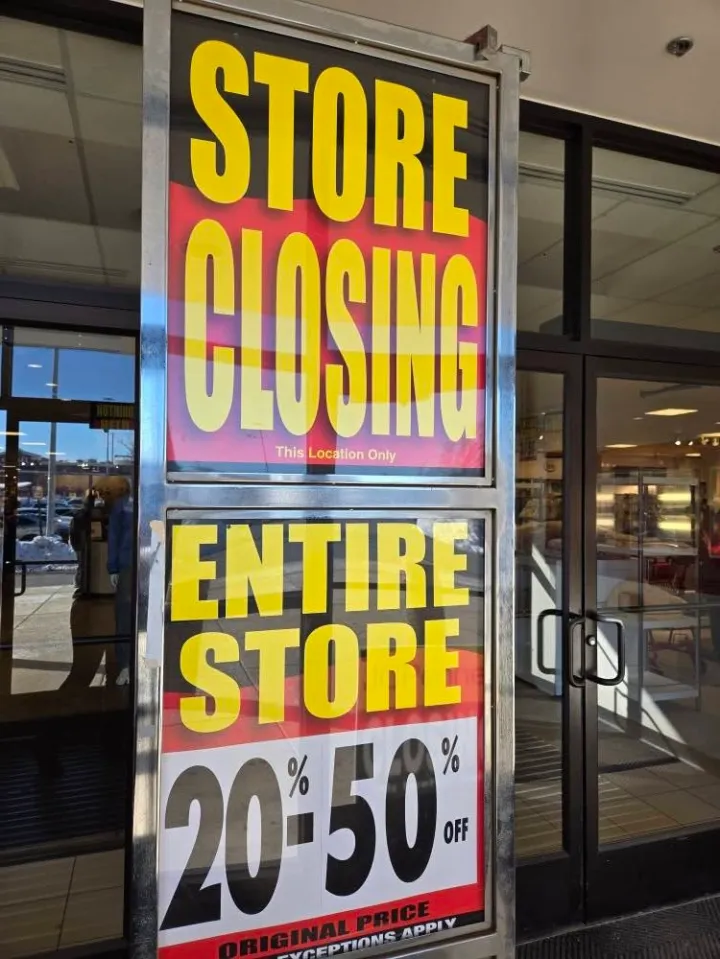
Kohl’s closed 27 stores in 2025, and it was a part of a bigger strategy to reduce costs and close underperforming stores. The closures were spread across various states, and although it might have seemed like Kohl’s was facing a collapse, it was, in fact, a strategic move to revive the business, which has been experiencing declining sales for years.
Yet in the age of viral information, nuance rarely survives.
A store closure in the present day can quickly become seen as part of a broader decline, especially when viewed in the broader context of America’s struggling retail sector. Indeed, across America, thousands of stores from various brands are being closed as companies seek to adapt to the rise of eCommerce, inflation, and shifting consumer patterns. In this sense, Kohl’s has become a symbol of a much broader transformation.
However, the company itself has a different tale to tell.
Indeed, the company has been very open about the fact that they have no intentions of experiencing a new spate of closures in 2026. In fact, the company has been focusing on making the current stores perform better, as well as improving the products they sell, in an attempt to lure people into their stores once again. The fact that the company has over a thousand stores that are still operational, with the majority of them profitable, means that the company is not in decline; it is actually trying to reinvent itself.
This, however, does not mean that the challenges the company is going through are not of great concern.
The main reason that has been at the core of Kohl’s decline is the fact that the company, as well as other traditional retailers, is experiencing a decline in the number of people visiting their stores physically, with many preferring the convenience of the internet, as well as the benefits that they get from shopping online.
The result is a retail model in transition. Physical stores are no longer guaranteed centers of commerce but must now compete with digital ecosystems that have no geographical constraints. To Kohl’s, survival is dependent on their ability to marry value pricing, in-store experience, and partnerships in a manner that creates a reason to shop their stores.
Addressing the Speculation
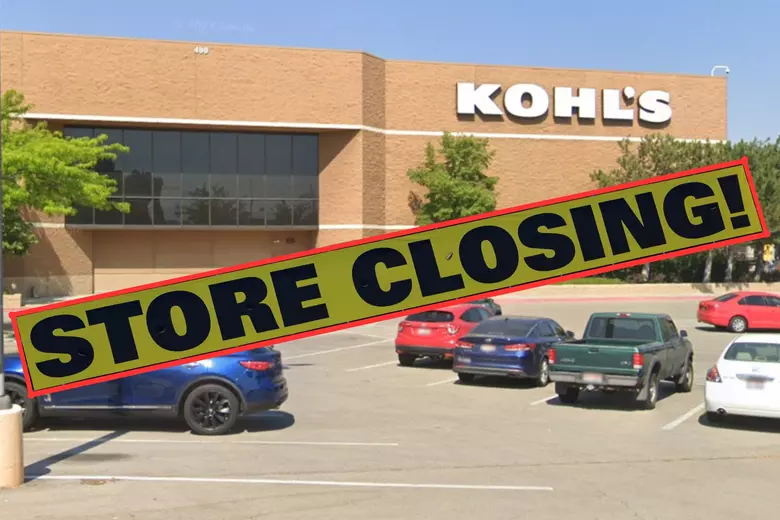
The idea that Kohl’s is “closing down” is, at best, an exaggeration. While it is true that some stores have closed, it is also true that this is not systemic. Instead, it is part of a broader industry-wide trend of consolidation. In other words, this is not the failure of one company but an industry as a whole. In fact, the lack of new large-scale closures in 2026 may indicate that Kohl’s has already completed their most aggressive period of change. What the public is seeing is not collapse, but change.
Conclusion
The Kohl’s story is not one of store closings. It is one of change. Change is what is required in this day and age when convenience, price, and technological availability rule consumer behavior. Even established retailers like Kohl’s must change to remain relevant. Kohl’s is at that crossroads, not as a company in decline, but as one in a period of difficult change. The question is not whether or not they are closing stores. The question is whether or not they can reinvent themselves in this rapidly changing economic landscape.
To better understand the evolving dynamics of fashion, retail, and global consumer trends, we invite you to explore more of our in-depth coverage on EyeAfrica. Read 18 Top Fall Fashion Trends From Africa for a vibrant look into the continent’s growing influence on global style, and Secondhand Empire: How the Global Thrift Industry is Killing African Fashion, a critical analysis of how international trade in used clothing is reshaping and, in many ways, undermining Africa’s local fashion industries. Together, these pieces provide valuable context to the shifting realities behind stories like Kohl’s and the broader retail transformation.