
Seed Slavery? How GMO Patents Are Locking Farmers Into a Dangerous Cycle

Across Kenya and beyond, small-scale farmers still work fields in traditional ways – for example plowing with oxen to plant seeds saved from prior harvests. Yet global agribusiness giants have radically changed the rules: they patent crop traits and forbid seed-saving. As one analysis notes, farmers today often lease seeds rather than own them – “for as long as humans have been growing food, farmers have saved seeds… But Monsanto and other big seed companies have changed the rules of the game,” treating seeds like proprietary inventions.
Under modern seed contracts the company “effectively controls the seeds even after the farmer has bought, planted and harvested them,” forcing farmers to repurchase seed every season. Critics warn this upends age-old farming culture and risks trapping farmers in dependency: as Kenyan farmer Dick Olela put it, patented GMO maize threatens to turn growers into “seed slaves… we have to buy them every time we plant.”
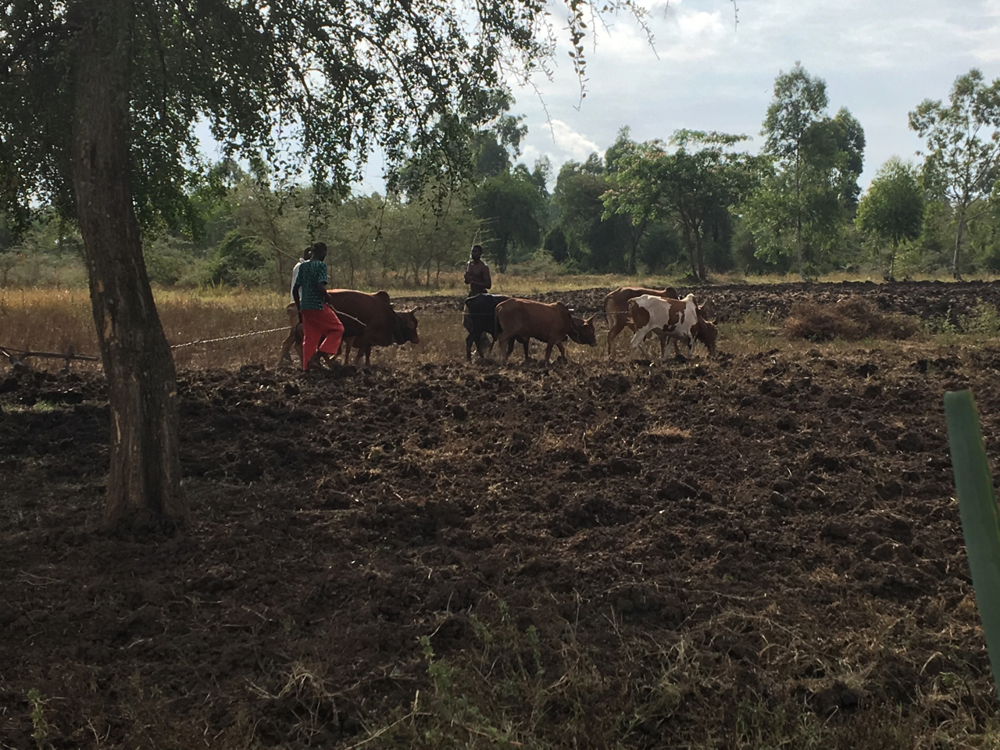
The patent regime is literally enforced by law. When farmers in India or the US buy a genetically engineered seed variety, they must sign licensing agreements promising not to save and replant any of the harvest. Seeds that were once common property become the “intellectual property” of the company, and any saved seed is a breach of patent law. As Truthout reports, companies “no longer sell seeds – they lease them,” requiring farmers to renew their “lease” each year.
Courts uphold these agreements: violating a seed patent can lead to lawsuits, fines or repossession of crops. (Indeed, Monsanto has famously pursued farmers who planted even accidental or “brown bag” saved seed as patent infringers.) In practice, then, patents have made seed-saving an offense; farmers lose a traditional safety net and become legally obliged to buy new seed each season.
Even beyond contracts, some GMO technologies were explicitly designed to prevent saving. In the 1990s biotech firms developed “terminator” or Genetic Use Restriction Technology (GURT) seeds that would produce sterile second-generation plants. In other words, any seed harvested from a terminator crop would not germinate, ensuring farmers could never reuse it.
The prospect so alarmed farmers’ groups that a UN biodiversity treaty imposed an international moratorium on releasing such seeds. (Monsanto and others put terminator research on hold, but patents on the concept remain and the idea casts a long shadow.) In the meantime, many hybrid or GMO seeds already have traits that make saved seeds unviable: saved seed may yield poorly compared to the original, or even be legally labeled “contraband.” The net effect is the same – seed autonomy is stripped away, and corporate-owned seed becomes a renewable revenue stream rather than a common good.
Africa: Fears of “Seed Slavery”
Kenyan farmers vividly illustrate the tensions. On many small farms, fields of potatoes, maize and vegetables are still planted with homegrown seed. But when the Kenyan government lifted its GMO ban in 2022, farmers protested that patent crops would destroy this system. Maize grower Dick Olela told Reuters that GM seeds threaten “the sustainable tradition of recycling seeds,” and warned it will force farmers into “seed slavery,” buying new seed each time. His words reflect widespread concern. As Kenya’s smallholders’ union put it, “Our biggest fear… is the cost of seed. It is Monsanto which will decide the cost since it has the copyright,” potentially driving family farmers out of business. In short, African farmers see patented GMO crops as putting control over seeds in foreign hands – and the costs and risks entirely on them.
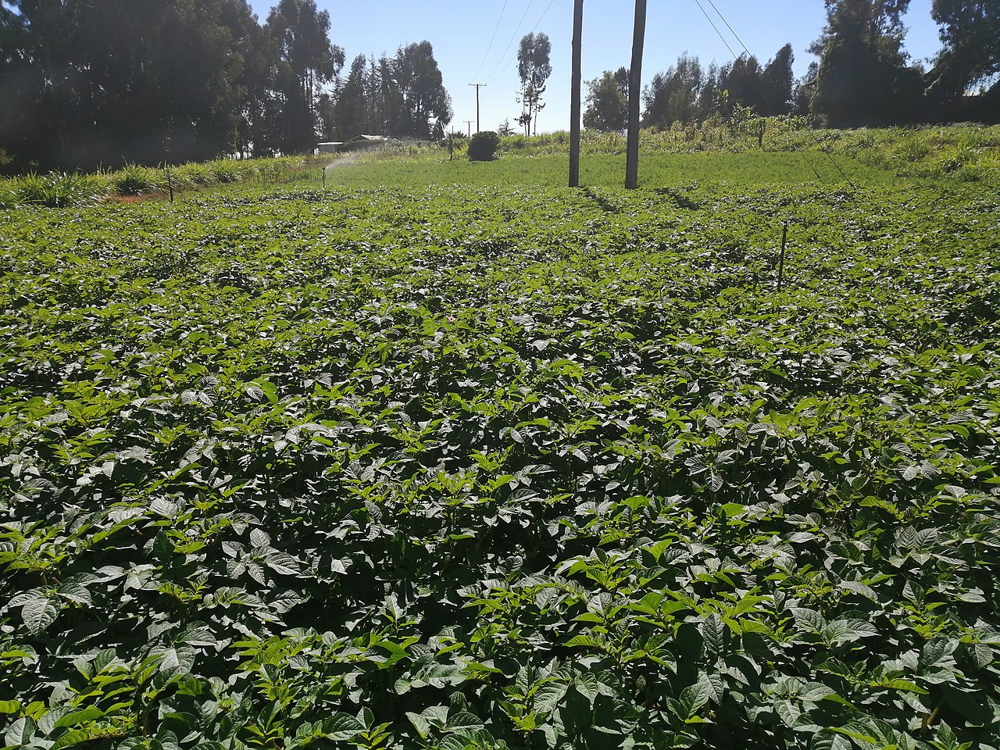
Similar stories play out elsewhere in sub-Saharan Africa. In Burkina Faso, for example, initial enthusiasm for Bt cotton was tempered when fiber quality dropped and the government balked at Monsanto’s demands for compensation and legal guarantees. The company pressed hard to enforce its terms, even involving diplomatic pressure. In Nigeria, the rollout of Bt cotton and GM cowpea came with assurances of free technology transfers, but farmers worry about future costs once trial projects end.
Where public-private partnerships (often including major biotech firms) introduce GM seeds in Africa, activists note, farmers are essentially tied to elite private patents. As one continent-wide analysis observes, GM seeds are “largely owned and patented by a handful of multinational corporations,” making them inaccessible to ordinary farmers without joint ventures or licensing. That arrangement, critics argue, creates exactly the dependency and vulnerability that the Green Revolution promised to eliminate.
India: From Seed Saving to Debt
India’s experience is the most extreme example of this cycle. Historically, Indian farmers have saved and exchanged seed year to year. That changed after Bt cotton was approved in 2002. Within a few years, Monsanto (through its Indian partner Mahyco) controlled an estimated 95% of the country’s cotton seed market. Traditional, open-pollinated cotton varieties were almost entirely displaced by hybrid and GMO seeds. Cotton seed prices soared – one report finds the cost jumped roughly 8,000% after biotech firms moved in. At the same time, those seeds required more fertilizer and chemicals, which also had to be purchased each season.
The human cost has been dire. An Al Jazeera investigation notes that after Bt cotton’s spread, most farm suicides in India occurred in cotton-growing regions like Maharashtra, where indebtedness rose sharply. Official data cited by activists show that about 75% of rural farmers’ debt stems from buying inputs (seeds, pesticides, fertilizer). “Farmers’ debt grows as Monsanto profits grow,” environmentalist Vandana Shiva writes; the annual royalty and input costs of patented seeds have created a debt trap so severe it has “pushed hundreds of thousands of farmers to suicide”. Shiva bluntly calls patented cotton “seeds of suicide,” and indeed studies link the spike in suicides to the unaffordable price of seed and chemicals in the cotton belt.
Part of the desperation is legal: In 2013 India’s Supreme Court upheld Monsanto’s patent on Bt cotton seed (overturning a lower court). That verdict reaffirmed that the company owns the technology inside the cotton seed. Many Indian farmers feel they have few options. A Reuters report from 2019 found that dozens of Maharashtra farmers had secretly sown unapproved new Bt cotton bought on the grey market, simply because the only approved seeds were costly or unavailable. “We don’t mind paying a few hundred rupees more for seeds if they help us save thousands on weeds,” one farmer told Reuters – but legal constraints mean they could only buy those desirable seeds illegally. In short, Indian cotton farmers have effectively been forced into a cycle of buying each year’s seed under monopoly terms, with tragic results.
Latin America: Royalties and Resistance
In Latin America the patterns are similar. In Argentina, for example, soybean farmers once freely saved seed from year to year because early Roundup Ready soy was not patented there. When Monsanto tried to introduce a new GM soy requiring royalties, many growers revolted. The company insisted on contracts and legal fees, while farmers’ groups pushed back. As Reuters reported in 2011, Argentine smallholders complained that Monsanto was “monopolizing production” by demanding hefty royalty payments. Julio Curras of the Argentine Agrarian Federation summed it up: “We’re defending farmers’ right to re-use their seeds because they can’t pay royalties indefinitely,” he said. Lawmakers eventually amended seed law to exempt small farmers so they could continue saving traditional seed without paying new royalties.
Elsewhere in Latin America, similar conflicts play out. In Brazil and Paraguay, millions of hectares of soy and maize are now under patent-protected traits (glyphosate-resistant seeds), meaning farmers must buy each season’s seed. Some landowners quietly save seed, risking lawsuits. In Mexico and Central America, where corn and other staples have deep cultural roots, movements emphasize “seed guardians” who preserve native varieties and reject patented GM maize. Activists note that when multinational companies press for stronger patent laws (or when patented seeds contaminate local crops), they see it as “the enclosure of the genetic commons”.
Patents vs. Tradition: The Clash of Cultures
What this all adds up to is a clash between two farming cultures. For millennia, farmers around the world have viewed seeds as a shared heritage to be saved, improved and passed on. Patented GM seeds flip that model. In academic terms, corporate patenting “sows a new era of feudalism,” as one food analyst put it, with a few corporations controlling “the lives and practices of farmers”. Vandana Shiva and others emphasize that seed-saving is foundational to food security: “If farmers do not have their own seeds or access to open-pollinated varieties that they can save… they have no seed sovereignty – and consequently no food sovereignty,” she writes. In other words, loss of traditional seed rights threatens the ability of communities to feed themselves.
GMO traits like “terminator” genes would have been a final straw – had they ever been released. Thankfully the world largely banned sterile seeds, but the legal and economic restrictions remain. Even without terminators, patented hybrids and GMO traits ensure that in practice farmers depend on buying new seed. As researchers note, in wealthy countries already “over 90% of soybeans, corn, canola and cotton… are patented GMOs,” and each carries legal strings.
In poor countries, the switch has been slower, but growing corporate pressure (often backed by trade agreements and donor initiatives) threatens to undermine self-sufficiency. In Kenya, for instance, the African Agricultural Technology Foundation (backed by Monsanto, Gates Foundation and others) lobbied hard to lift the GMO ban. Kenyan officials even told farmers that Monsanto’s Bt cotton could increase crop area, glossing over dependency issues.
Breaking the Cycle: Solutions and Safeguards
The cycle of dependency and debt can be addressed by restoring farmers’ seed rights and diversifying who controls innovation. Several measures have been proposed or tried:
- Protect Farmers’ Rights: Laws should explicitly exempt smallholders from patent constraints. Argentina’s recent law, for example, would let small-scale growers save and exchange seed royalty-free. India’s 2001 Protection of Plant Varieties and Farmers’ Rights Act theoretically allows farmers to save seed from protected varieties, though enforcement is patchy. Strengthening and enforcing such laws can blunt corporate patents.
- Ban Terminator Traits: Continue to oppose any commercialization of sterile-seed technology. The UN’s de facto ban on GURT should be kept in place worldwide.
- Promote Open-Pollinated and Indigenous Varieties: Governments and NGOs can invest in high-yield open-pollinated varieties (OPVs) of key crops that farmers can save and share. Public breeding programs (like those at CGIAR centers or national agricultural research) should prioritize royalty-free seeds suited to local conditions.
- Support Seed Banks and Agroecology: Community seed banks and farmer cooperatives help preserve biodiversity and provide buffer stocks of heritage seeds. Agroecological networks also encourage seed-sharing and collective breeding. As one academic review notes, seed-saving and sharing is the opposite of the “debt-inducing, prosecution-oriented” model of corporate seed. Civil society groups (from Latin America’s seed guardians to African food sovereignty movements) are already mobilizing to defend seed commons.
- Fair Licensing and Incentives: Beyond patents, alternative models can fund innovation. Economists suggest “push” grants or prizes (“pull” rewards) for developing climate-resilient or pest-resistant varieties, rather than relying on monopoly royalties. For example, a publicly funded reward for drought-tolerant rice could spur research without making farmers foot the bill.
Efforts like these aim to re-center agriculture on farmers’ needs rather than corporate profits. The goal is to let farmers choose the best seeds for their fields and futures, rather than feeling forced to rent life’s basic building block. For farmers like those in Kenya, India and Latin America, reclaiming seed sovereignty—ensuring that the seed they sow truly belongs to the people who grow the food—may be the only way out of the dangerous cycle of debt and dependence.
Sources: Authoritative investigations and reports on GMO patents, including Reuters and Al Jazeera accounts of farmer experiences; analyses of seed patent law and economics. These detail the real impacts of patented seeds on rural communities in Africa, India and Latin America. Suggestions above draw on these sources and on expert discussions of seed sovereignty.