The State of Democracy in Africa: Have We Lowered the Bar Too Much

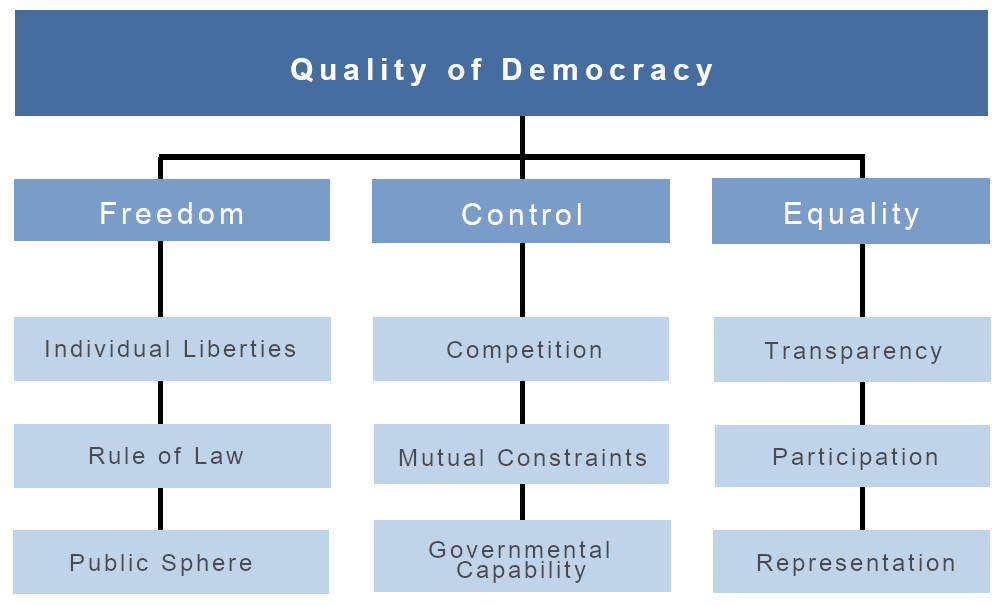
Democracy, in its true essence, transcends the mere act of holding elections. While periodic voting is often heralded as the hallmark of democratic governance, it represents only one dimension of a much broader framework that includes constitutional principles, rule of law, institutional checks and balances, and the protection of fundamental rights. The vitality of democracy lies in its ability to sustain governance practices rooted in accountability, transparency, and inclusivity even outside electoral cycles. This section explores the multifaceted nature of real democracy, examining key elements such as freedom of speech, judicial independence, respect for human rights, and media freedom, while contrasting these ideals with realities observed in African nations like Cameroon and global benchmarks from Western democracies.
At the core of genuine democratic governance are foundational pillars that uphold civic freedoms and institutional integrity. Freedom of speech ensures that citizens can express dissenting opinions without fear of retribution, fostering an environment where public discourse thrives. Judicial independence serves as a bulwark against executive overreach, ensuring that laws are applied impartially and disputes resolved fairly. Respect for human rights safeguards individual dignity and equality, creating a society where all members feel valued and protected. Additionally, a free press acts as a watchdog, holding those in power accountable and disseminating information essential for informed citizenry. These components collectively form the bedrock upon which stable democracies are built.
Democracy Beyond Elections
Core Principles and Governance Challenges.
However, the gap between theoretical ideals and practical implementation becomes starkly evident when examining countries like Cameroon. Despite conducting regular elections, Cameroon exemplifies how prolonged incumbency can undermine democratic institutions. President Paul Biya, who has ruled since 1982, is set to contest for an eighth term in October 2025, amidst widespread governance challenges including the Anglophone crisis, voter intimidation, and severe media repression. The ongoing conflict in Anglophone regions has resulted in over 6,000 civilian deaths since 2016, leaving more than 500,000 children out of school. Furthermore, Reporters Without Borders (RSF) ranks Cameroon among the most dangerous places for journalists, underscoring the extent of media suppression under Biya’s regime. Opposition mobilization is severely hindered by separatist activities, raising fears of post-election instability due to Biya’s advanced age and lack of a clear successor. This context illustrates how superficial adherence to electoral rituals masks deeper governance failures and authoritarian tendencies.
In contrast, Western democracies provide critical benchmarks for understanding the hallmarks of true democracy. Nations like Sweden and Canada consistently demonstrate robust adherence to democratic norms through mechanisms such as legislative accountability, independent judiciaries, and vibrant civil societies. For instance, Sweden’s Freedom of the Press Act, dating back to 1766, guarantees unparalleled levels of transparency and access to government information, empowering citizens to scrutinize official actions. Similarly, Canada’s Charter of Rights and Freedoms enshrines protections for freedom of expression, association, and assembly, ensuring that diverse voices contribute to policymaking processes. Such examples highlight how entrenched democratic values create resilient systems capable of withstanding political pressures and safeguarding public interest.
The disparity between these global standards and the realities faced in parts of Africa underscores the urgent need for Africans to demand governance rooted in broader democratic principles rather than settling for superficial peace during elections. Malawi offers a compelling counterexample within the continent, demonstrating resilience against democratic backsliding. In 2020, Malawi’s Constitutional Court overturned flawed presidential elections, leading to a re-run won by opposition candidate Lazarus Chakwera. Despite grappling with economic hardships exacerbated by El Niño-induced droughts affecting 80% of its rural population, Malawi showcases judicial independence and vibrant civil society engagement. A 2022 survey revealed 66% dissatisfaction with government anti-corruption efforts, fueling opposition momentum ahead of September 2025 elections. This case underscores the potential for civic education and accountability mechanisms to reinforce democratic norms beyond electoral cycles.
Ultimately, the call to action for African nations is clear: prioritize governance structures that embody the full spectrum of democratic ideals. This entails fostering environments where freedom of speech flourishes, judicial systems remain untainted by political influence, human rights are universally respected, and media outlets operate without fear of reprisal. By learning from both regional successes like Malawi and international exemplars such as Sweden and Canada, Africans can advocate for reforms that address systemic weaknesses and promote enduring democratic stability. As the continent navigates upcoming electoral cycles in 2025, stakeholders must remain vigilant in identifying cases where peaceful elections obscure underlying governance deficits and authoritarian practices. Only then can democracy evolve into a living, breathing entity that empowers citizens and upholds justice, equity, and liberty for all.
The Misguided Benchmark of Peace in African Elections: A Critical Analysis
The assessment of African elections by international observers has long been dominated by a singular focus on peace as the primary criterion for success. This approach, while seemingly pragmatic, overlooks critical dimensions of electoral integrity, including fairness, transparency, and adherence to democratic principles . By equating peaceful conduct with legitimacy, observers risk legitimizing flawed electoral systems that perpetuate authoritarianism and undermine substantive democracy. This section critically examines the implications of prioritizing peace over justice, drawing on case studies and scholarly insights to argue for a more comprehensive evaluation framework.
One notable example of this problematic benchmark is Kenya’s 2017 presidential election, where international observers declared the process largely free and fair despite significant irregularities. The subsequent annulment of the results by Kenya’s Supreme Court exposed deep flaws in the electoral process, including allegations of electronic voter fraud and lack of transparency in vote tallying . Similarly, in Malawi’s 2019 tripartite elections, observer groups issued positive assessments that were later invalidated by the Constitutional Court, which cited widespread misconduct and procedural violations. These cases underscore a recurring pattern: international verdicts often fail to account for pre- and post-election contexts, focusing narrowly on voting-day activities rather than systemic issues .
The consequences of this narrow focus extend beyond individual elections, as seen in Mozambique’s post-election unrest following its October 2024 general elections. Despite the apparently calm election environment, evidence of vote rigging sparked youth-led protests met with harsh repression by security forces . This episode highlights how superficially peaceful elections can mask deeper dissatisfaction and institutional weaknesses, ultimately fueling further unrest and eroding democratic norms. Such outcomes illustrate the dangers of conflating peace with legitimacy, as they allow underlying grievances to fester unaddressed.
Scholarly analysis reveals that the emphasis on peace reflects broader geopolitical interests rather than genuine commitments to democratic governance. Observers frequently exhibit what some scholars term ‘progress bias,’ tolerating flawed elections if they show marginal improvement over previous ones . This leniency enables authoritarian leaders to exploit international goodwill, reinforcing what has been termed ‘peaceocracy’—a governance model that prioritizes stability over democratization. For instance, former liberation movements such as Namibia’s SWAPO and South Africa’s ANC have faced declining public support due to failures in addressing unemployment and inequality, yet their electoral victories continue to be endorsed internationally based on the absence of violence . This double standard not only undermines accountability but also entrenches impunity within political systems.
Moreover, the prioritization of peace over justice reinforces structural vulnerabilities that hinder democratic consolidation. In countries like Cameroon and Zimbabwe, executive overreach remains rampant, with leaders manipulating state institutions to maintain power . Cameroon’s President Paul Biya, aged 92, seeks re-election amidst allegations of suppressing dissent and orchestrating plots against opposition figures . Similarly, Zimbabwe’s ZANU-PF clings to power through force, exploiting weakened checks and balances to perpetuate systemic corruption . These examples demonstrate how a narrow focus on peace allows flawed systems to persist, undermining constitutionalism and the rule of law.
To address these challenges, it is imperative to adopt a more holistic approach to evaluating African elections. This includes assessing pre-election contexts, such as voter registration processes and campaign environments, as well as post-election dynamics, including judicial independence and mechanisms for resolving disputes. Elevating citizen-based observer groups, who provide broader coverage and deeper contextual understanding, could enhance the credibility of electoral assessments . Additionally, modernizing observation methodologies to include monitoring information technologies would help detect and deter high-tech electoral fraud, ensuring that evaluations remain relevant in an increasingly digital age.
In conclusion, the current benchmark of peace as the sole measure of electoral success in Africa is deeply flawed, masking systemic issues and enabling authoritarian tendencies to thrive. By shifting the focus toward comprehensive criteria that encompass both procedural fairness and substantive outcomes, stakeholders can foster greater accountability and promote genuine democratization. As African nations navigate complex socio-political landscapes, particularly amid rising youth activism and economic challenges, redefining the metrics of electoral success will be crucial for advancing sustainable democratic growth.
Executive Overreach and Institutional Decay Across Africa: A Comprehensive Analysis
Executive overreach has emerged as a defining feature of governance challenges across numerous African nations, wherein entrenched leaders exploit constitutional ambiguities and structural weaknesses to consolidate power at the expense of democratic institutions. In Cameroon, President Paul Biya’s prolonged rule exemplifies how executive dominance undermines judicial independence. Despite constitutional provisions mandating separation of powers, Biya chairs the Higher Judicial Council and appoints judges, violating Article 37(2) of Cameroon’s Constitution . This systemic entanglement of the judiciary with the executive renders magistrates beholden to presidential directives rather than legal principles. Similarly, in Zimbabwe, Constitutional Amendment No. 2 (2021) granted President Emmerson Mnangagwa unchecked authority over judicial appointments and extensions of tenure for senior judges, including the Chief Justice . Such legislative maneuvers effectively dismantle checks on executive power, embedding autocratic tendencies within ostensibly democratic frameworks.
The structural vulnerabilities enabling this trend are deeply rooted in the design of post-independence constitutions. Many African constitutions adopted vague wording that concentrated excessive power in presidencies, reflecting colonial legacies and inadequate reforms during transitions to multiparty systems . For instance, Cameroon’s 1996 constitutional amendments removed presidential term limits through parliamentary supermajority votes instead of referendums, allowing Biya to extend his rule indefinitely . Likewise, Zimbabwe’s recent amendments reveal how fragile democratic safeguards can be manipulated to legitimize authoritarian practices. These examples underscore how poorly crafted or interpreted constitutions fail to enforce separation of powers, creating environments ripe for corruption and impunity.
Weakened parliaments and ignored audits further exacerbate institutional decay, as evidenced by Nigeria’s financial dependency of judges on state governors. Delays or denial of funding to courts severely undermine judicial autonomy, with organizations like the Judiciary Staff Union of Nigeria (JUSUN) striking in 2021 to demand financial independence . In Kenya, President Uhuru Kenyatta’s refusal to appoint six judges nominated by the Judicial Service Commission without legal justification highlights another facet of executive interference . Meanwhile, Uganda demonstrates more subtle forms of judicial subservience under President Yoweri Museveni’s regime, where judges face repercussions for unfavorable rulings, further eroding public trust in the judiciary. These cases illustrate how financial control and political manipulation cripple accountability mechanisms, perpetuating cycles of weak governance.
Despite these challenges, whistleblower actions and grassroots movements have emerged as critical counterforces challenging authoritarian practices. In Guinea-Bissau, President Umaro Sissoco Embaló’s refusal to step down by February 2025, citing his term ends in September, sparked widespread opposition and boycotts of the January 14, 2024, presidential election . Similarly, Togo’s constitutional amendments shifting the country from a presidential to a parliamentary system—enacted without public consultation—ignited protests against the Gnassingbé family’s continued grip on power . Youth-led movements and civil society organizations in Zimbabwe have also resisted threats to judicial independence through petitions and legal challenges, despite facing repression . These efforts demonstrate resilience amid hostile environments, offering hope for rebuilding robust democratic institutions.
In conclusion, executive overreach is intrinsically linked to systemic corruption and erosion of public trust across Africa. Leaders manipulate constitutional frameworks to extend their rule, often at the expense of institutional checks and balances. The concentration of power in presidencies, coupled with weakened parliaments and compromised judiciaries, creates fertile ground for authoritarian governance. While whistleblower actions and civic resistance provide glimmers of hope, addressing these deep-seated issues requires comprehensive reforms, including stronger enforcement of constitutional provisions, financial autonomy for judiciaries, and international support for grassroots movements. Further research should explore comparative analyses of successful reform initiatives to identify actionable strategies for fostering long-term democratic growth.
Suppression of Civic Freedoms: The Erosion of Media and Civil Society in Africa
The shrinking civic spaces across Africa have become a defining feature of the continent’s political landscape in recent years. This phenomenon, characterized by the suppression of media freedom, the criminalization of dissent, and the stifling of civil society, poses a significant threat to democratic governance and human rights. Countries like Kenya and Mozambique exemplify this trend through their increasing intolerance for protests and the use of repressive measures against dissenters. In Mozambique, the post-election period of 2024 witnessed prolonged unrest as youth-led movements protested against corruption, unemployment, and inadequate public services . Despite the legitimacy of their grievances, the government responded with disproportionate force, resulting in at least 278 deaths and displacing over 2,000 families who sought refuge in neighboring Malawi . Similarly, Kenya experienced widespread repression during anti-finance bill protests, where authorities were accused of covering up dozens of alleged police killings and recording 82 cases of enforced disappearances between June and December 2024 . These incidents underscore how governments prioritize stability over democratic principles, creating environments where citizens face severe risks when exercising their fundamental rights to peaceful assembly.
The situation is further exacerbated by specific legal actions taken against individuals, particularly minors, who participate in protests. For instance, Nigeria charged 76 individuals, including minors, with treason following August 2024 demonstrations against economic hardship . Such punitive measures not only violate international norms on children’s rights but also serve as a deterrent to future civic engagement. By targeting vulnerable groups, governments effectively silence entire communities and instill fear among potential activists. Activist Rinu Oduala warns that ignoring youth voices poses substantial political risks, emphasizing that these movements represent legitimate calls for systemic change rather than mere unrest . This reflects a broader pattern of authoritarian tendencies that prioritize short-term control over long-term accountability and inclusive governance.
Digital activism has emerged as a critical tool for mobilizing resistance against oppressive regimes, yet it too faces significant challenges. Internet shutdowns have become a common tactic used by governments to suppress dissent, particularly during periods of heightened civic activity. In Rwanda and Cameroon, authorities implemented internet blackouts aimed at stifling youth-led movements advocating for transparency and accountability . These disruptions not only hinder communication and coordination among activists but also disrupt access to information, thereby undermining public awareness and participation. Additionally, cybercrime laws in countries like Nigeria, Uganda, and Zambia have been weaponized to target individuals accused of spreading “false information,” further entrenching climates of fear and self-censorship . The deployment of spyware against activists in nations such as Rwanda highlights the lengths to which some regimes will go to neutralize perceived threats to their authority.
The consequences of such repression extend beyond immediate human rights violations; they fundamentally erode public trust and diminish civic participation. An analysis of media coverage during South Africa’s 2024 elections reveals how inconsistent reporting standards contribute to declining confidence in democratic processes . William Bird and Thandi Smith’s study demonstrates how biases in media narratives undermine informed civic engagement, particularly when major parties receive unequal attention or scrutiny . This lack of transparency perpetuates cycles of disillusionment, as citizens grow skeptical of institutions tasked with safeguarding their freedoms. Moreover, the erosion of accountability mechanisms within governance systems exacerbates these issues, as seen in Susan Booysen’s critique of executive overreach in South Africa . Instances where parliamentary oversight was overridden highlight systemic vulnerabilities that enable unchecked power, further alienating citizens from decision-making processes.
To address these challenges, comprehensive strategies must be adopted to protect and expand civic freedoms. Education plays a pivotal role in empowering citizens to understand and assert their rights. Initiatives aimed at fostering digital literacy can equip youth with the skills needed to navigate online spaces safely and effectively, enabling them to leverage technology for advocacy while mitigating risks associated with surveillance and harassment . Legal reforms are equally essential, requiring robust frameworks that safeguard press freedom, prohibit arbitrary arrests, and ensure fair trials for all individuals. Strengthening judicial independence and promoting adherence to international human rights standards can help counteract executive overreach and institutional decay observed in various African contexts . Furthermore, regional bodies such as the African Union (AU) and Economic Community of West African States (ECOWAS) should enhance their monitoring capacities to hold member states accountable for violations of civic freedoms.
In conclusion, the suppression of media and civil society represents a grave threat to democracy in Africa. From violent crackdowns on protests in Kenya and Mozambique to internet shutdowns in Rwanda and Cameroon, the evidence underscores the urgent need for concerted action to reverse this trend. By prioritizing education, legal reforms, and regional cooperation, stakeholders can work toward creating an environment conducive to free expression, meaningful participation, and sustainable democratic growth. However, achieving these goals requires sustained commitment from both domestic actors and international partners, underscoring the importance of continued research and advocacy in this critical area.
International Double Standards in Evaluating African Democracies
The evaluation of democratic processes in Africa by international actors has long been marred by double standards, where geopolitical interests and strategic priorities often overshadow genuine commitments to electoral integrity. This issue is particularly evident in how foreign powers legitimize flawed elections under the guise of promoting stability, as exemplified by Gabon’s managed transition following the 2023 coup . In this case, Brigadier General Brice Oligui Nguema orchestrated a constitutional rewrite to consolidate power, effectively sidelining credible opposition figures and restricting dissent. Despite these overt manipulations, international responses have largely avoided condemning the regime, instead framing its actions as necessary for maintaining order during a fragile post-coup period. Such selective tolerance not only undermines democratic principles but also perpetuates a culture of impunity among authoritarian leaders who exploit transitions to entrench personal control.
Geopolitical interests further complicate the assessment of African elections, with external actors frequently influencing outcomes through disinformation campaigns and other covert interventions. For instance, Russia-backed operations in Guinea highlight how external meddling destabilizes nascent democracies while advancing strategic objectives . Following Colonel Mamadi Doumbouya’s seizure of power, his regime postponed promised elections and cracked down on dissent, employing tactics reminiscent of those used by Sahelian juntas supported by Moscow. These include extending military oversight over civilian governance structures and suppressing independent media outlets. Arrests and trials of opposition figures underscore the junta’s intolerance for criticism, yet international condemnation remains muted due to broader considerations such as resource access or regional influence. This pattern demonstrates how global powers prioritize their own agendas over the promotion of democratic values, thereby enabling authoritarian practices to flourish unchecked.
Another critical dimension of this problem lies in the shortcomings of international election observer missions, which frequently overlook pre- and post-election abuses that undermine the credibility of electoral processes. Kenya’s 2017 presidential election serves as a stark illustration of this phenomenon, wherein international observers praised the conduct of the poll despite significant irregularities later exposed by judicial intervention . Similarly, Malawi’s 2019 tripartite elections were initially deemed satisfactory by external monitors, only for domestic courts to subsequently invalidate the results based on widespread fraud allegations. These discrepancies reveal a troubling gap between observer assessments and actual electoral realities, driven by an overly narrow focus on voting-day activities at the expense of broader contextual factors. By failing to account for systemic issues such as voter suppression, media manipulation, and judicial interference, international missions risk legitimizing illegitimate regimes and reinforcing what scholars term ‘peaceocracy’—a prioritization of superficial stability over genuine democratization.
To address these challenges, there have been growing calls to decouple election observation from strategic interests, thereby restoring impartiality to the process. Critics argue that current practices are too heavily influenced by donor-funded development programs or diplomatic relationships, leading observers to ‘pull punches’ when reporting on flawed elections . For example, Western aid officials have reportedly pressured observer groups to soften negative findings out of fear of jeopardizing trade agreements or investment flows. This bias creates glaring double standards, eroding trust in international missions and emboldening pseudo-democrats to manipulate electoral systems without facing meaningful scrutiny. Addressing this issue requires adopting stricter criteria focused on substantive electoral integrity rather than superficial progress, as well as investing in citizen-based monitoring systems capable of providing more comprehensive coverage and deeper contextual understanding.
Ultimately, achieving meaningful democratic reform in Africa necessitates holding both domestic elites and external actors accountable for undermining democratic norms. While entrenched regimes continue to exploit legal frameworks and institutional weaknesses to extend authoritarian rule, international stakeholders must resist the temptation to prioritize short-term stability over long-term governance improvements. Africans themselves play a crucial role in this endeavor, leveraging civil society movements and grassroots advocacy to demand transparency, accountability, and genuine representation. As evidenced by Guinea-Bissau’s resilient civic organizations, local initiatives remain vital in driving change even amid pervasive corruption and institutional dysfunction . Moving forward, fostering collaboration between domestic watchdogs and reformed international mechanisms could help create a more equitable and effective framework for evaluating African democracies—one rooted in shared principles of justice, fairness, and respect for human rights.
Strengthening Democratic Culture and Institutions: A Path Forward
In an era where democratic backsliding threatens the foundations of governance across numerous African nations, fostering a robust democratic culture and strengthening institutions emerge as critical imperatives. This section explores actionable strategies to achieve these goals, drawing on successful models, grassroots movements, institutional reforms, and youth engagement initiatives. By synthesizing lessons from diverse contexts, this analysis charts a path forward for resilient democracies.
Civic education stands as a cornerstone in cultivating a democratic ethos among citizens. Programs aimed at enhancing civic literacy empower individuals to understand their rights, responsibilities, and the mechanisms of accountability within democratic systems. Malawi’s experience exemplifies how judicial independence and active civil society can reinforce democratic norms. Following its landmark 2020 election rerun, which was catalyzed by a Constitutional Court ruling that nullified flawed results, Malawi demonstrated the importance of an informed populace capable of demanding transparency and fairness . Civic education programs could emulate Malawi’s success by integrating legal literacy, anti-corruption advocacy, and participatory governance training into curricula. Such initiatives not only bolster public trust in institutions but also equip citizens with tools to resist authoritarian tendencies.
Grassroots movements have proven instrumental in driving transformative change, often serving as catalysts for broader societal shifts. The #EndSARS protests in Nigeria and Kenya’s #RejectFinanceBill campaigns highlight the potency of collective action in challenging entrenched power structures . These movements leverage social media platforms to amplify voices, organize protests, and attract international attention. For instance, the viral spread of videos depicting police brutality during the #EndSARS protests pressured the Nigerian government to dissolve the Special Anti-Robbery Squad (SARS). However, these efforts face significant obstacles, including state repression, internet shutdowns, and surveillance. To sustain momentum, grassroots organizations must adopt adaptive strategies, such as decentralized leadership models and encrypted communication tools, to mitigate risks while maintaining resilience.
Rebuilding checks and balances is essential to counteract executive overreach and institutional decay. Transparent judicial appointments and independent oversight bodies represent key components of this endeavor . In Togo, constitutional amendments enabling parliamentary appointment of presidents underscored the dangers of unchecked executive manipulation . Similar trends are evident in Guinea-Bissau, where President Umaro Sissoco Embaló’s refusal to step down despite term limits reflects systemic governance failures . Addressing these challenges requires strengthening institutional safeguards through clear constitutional provisions, rigorous vetting processes for appointees, and enhanced protections for whistleblowers and auditors. Independent oversight bodies, akin to those recommended by Dr. Shreshth Bhatnagar’s research, could serve as bulwarks against corruption and abuse of power .
Engaging youth in governance processes offers another promising avenue for fortifying democratic institutions. As Africa’s demographic majority, young people possess immense potential to drive meaningful reform. Sierra Leone’s inclusion of youth-run businesses in public works projects illustrates how governments can harness youthful energy constructively . Similarly, Ukraine’s e-youth platform provides real-time opportunities for engagement, demonstrating the scalability of digital solutions. Beyond tokenistic participation, meaningful involvement entails creating secure spaces for dialogue, incorporating youth perspectives into policy formulation, and addressing intersectional identities. Initiatives like Albania’s youth database and Morocco’s legislative outreach strategies exemplify best practices in inclusive governance . By prioritizing youth collaboration, governments can preempt unrest and foster cohesive societies.
Despite formidable challenges, there is cause for optimism. Across the continent, citizens continue to demonstrate resilience and determination in advocating for democratic values. From Malawi’s judicial triumphs to Nigeria’s youth-led activism, these stories underscore humanity’s enduring quest for justice and equity. While no single solution guarantees success, a multifaceted approach combining civic education, grassroots mobilization, institutional reform, and youth empowerment holds promise for meaningful transformation. As nations prepare for upcoming elections and transitions, the lessons gleaned from these experiences provide valuable guidance for navigating uncertain futures. Ultimately, the journey toward strengthened democratic culture and institutions demands unwavering commitment, innovative thinking, and collaborative effort.
Comparative Analysis of Electoral Integrity and Democratic Governance in Selected African Nations
To compare the state of democracy across selected African nations, the table below highlights key features such as electoral integrity, executive overreach, judicial independence, and media freedom. This structured comparison helps illustrate the discrepancies between global and African standards for democratic governance.
| COUNTRY | ELECTORAL INTEGRITY (EXAMPLES) | JUDICIAL INDEPENDENCE | EXECUTIVE OVERREACH | MEDIA FREEDOM & CIVIC SPACE |
| Cameroon | Peaceful but marred by rigging; opposition suppressed. | Judiciary controlled by the president; magistrates act as civil servants | President Paul Biya seeks an 8th term; constitutional amendments favor incumbency | Media repression widespread; journalists face arrests under anti-terror laws |
| Kenya | 2017 election annulled due to irregularities; 2022 polls saw sporadic violence | Courts have shown independence (e.g., 2017 annulment), but judges face political repercussions | Executive ignores court rulings; misuse of state resources during campaigns | Press faces intimidation; controversial laws restrict coverage |
| Nigeria | 2023 elections marked by insecurity, vote-buying, and violence | Judicial delays and financial dependency on governors weaken autonomy | Politicians exploit ethnic divisions; excessive use of security forces to suppress dissent | Social media platforms censored; journalists detained for critical reporting |
| Zimbabwe | Flawed but “peaceful” elections praised internationally despite rigging claims | Constitutional Amendment No. 2 grants Mnangagwa unchecked control over judicial appointments | Mnangagwa consolidates power via legislative changes; opposition figures harassed | Crackdown on dissenting voices; independent media outlets shut down |
| Malawi | 2020 re-run election upheld judicial independence; seen as a rare success story | Courts demonstrated resilience in overturning flawed elections | Limited instances of executive interference post-reform | Vibrant press; however, economic struggles limit investigative journalism capacities |
This table underscores how African democracies often prioritize superficial peace over substantive justice, allowing manipulative practices to persist under the guise of stability. For instance, while Cameroon’s elections are labeled “peaceful,” they mask deep-rooted issues like voter suppression and judicial subservience to the executive. Similarly, Zimbabwe’s international image benefits from “calm” elections, even though its judiciary is now effectively controlled by the ruling party. These examples reveal the double standard applied globally, where African elections judged solely on procedural calmness ignore violations of democratic principles such as fairness, transparency, and accountability. The data also points to the urgent need for reforms that empower institutions—judiciaries, parliaments, and media—to serve as effective checks against executive overreach.
Conclusion
The state of democracy in Africa is at a critical juncture, where the persistent emphasis on superficial peace during elections continues to overshadow the pursuit of genuine democratic governance. Throughout this report, we have examined how the bar for democratic legitimacy has been lowered to prioritize calm over justice, enabling entrenched leaders to exploit this misconception to consolidate power. The evidence presented underscores the urgent need for a recalibration of both domestic and international standards for evaluating democracy in Africa.
From the outset, it became evident that true democracy extends far beyond the mere act of casting ballots. It encompasses a culture rooted in constitutionalism, rule of law, and the protection of fundamental freedoms. Yet, nations like Cameroon and Zimbabwe exemplify how prolonged incumbency and executive overreach can erode these principles, leaving behind hollow institutions that fail to hold leaders accountable. Cameroon’s judiciary, deeply entangled with the executive branch, operates as an extension of presidential authority rather than an independent arbiter of justice . Similarly, Zimbabwe’s recent constitutional amendments grant President Emmerson Mnangagwa unchecked control over judicial appointments, further solidifying the executive’s grip on power . These cases illustrate how systemic weaknesses in governance frameworks perpetuate cycles of corruption and impunity, undermining the very foundations of democracy.
The misguided benchmark of peace in African elections has been a recurring theme throughout this analysis. International observers, often swayed by geopolitical interests, have too frequently equated procedural calmness with legitimacy, overlooking blatant irregularities that compromise electoral integrity. Kenya’s 2017 presidential election serves as a stark reminder of this disconnect, where international praise masked significant flaws later exposed by judicial intervention . Such double standards not only legitimize flawed systems but also reinforce what scholars term ‘peaceocracy,’ prioritizing stability over democratization. This dynamic is further complicated by the rise of digital activism, which, while offering new avenues for resistance, faces severe repression through internet shutdowns and cybercrime laws . The result is a chilling effect on civic participation, where citizens are deterred from exercising their rights due to fear of reprisals.
Executive overreach remains a pervasive challenge, with leaders manipulating state institutions to maintain power at the expense of democratic norms. In countries like Cameroon and Zimbabwe, executives routinely override judicial decisions, suppress dissent, and exploit constitutional ambiguities to extend their rule . These actions reflect broader trends of institutional decay, where parliaments are reduced to rubber stamps, audits are dismissed, and accountability mechanisms are systematically dismantled . The consequences are profound, eroding public trust and diminishing civic engagement, as citizens grow disillusioned with governance systems that fail to deliver justice, equity, and liberty.
Despite these challenges, there are glimmers of hope. Grassroots movements and youth-led protests across Africa demonstrate resilience and determination in advocating for meaningful change. From Nigeria’s #EndSARS movement to Kenya’s #RejectFinanceBill campaigns, these initiatives highlight the transformative potential of collective action in challenging entrenched power structures . Moreover, regional bodies like the African Union (AU) and Economic Community of West African States (ECOWAS) have begun exploring ways to enhance their monitoring capacities, signaling a growing recognition of the need for more equitable frameworks to evaluate democratic processes . These efforts, coupled with calls for civic education, legal reforms, and institutional strengthening, offer a roadmap for reversing the tide of democratic backsliding.
Ultimately, achieving meaningful democratic reform in Africa requires a concerted effort from all stakeholders. Domestic actors must demand governance rooted in broader democratic principles, prioritizing transparency, accountability, and genuine representation. International partners, meanwhile, must resist the temptation to prioritize short-term stability over long-term governance improvements, ensuring that their evaluations reflect substantive criteria rather than superficial progress. By fostering collaboration between local watchdogs and reformed international mechanisms, it is possible to create a more equitable and effective framework for evaluating African democracies—one rooted in shared principles of justice, fairness, and respect for human rights.
As the continent navigates upcoming electoral cycles and transitions, the lessons gleaned from recent experiences provide valuable guidance for charting a path forward. Whether through civic education programs, grassroots mobilization, institutional reforms, or youth empowerment initiatives, the journey toward strengthened democratic culture and institutions demands unwavering commitment, innovative thinking, and collaborative effort. Only then can democracy evolve into a living, breathing entity that empowers citizens and upholds justice, equity, and liberty for all.
As we confront the hard questions surrounding Africa’s democratic trajectory, one truth becomes unavoidable: the continent cannot afford to normalize weak institutions, lowered expectations, or leadership cultures that betray the people’s mandate. At EyeAfrica.news, we remain committed to examining these uncomfortable realities with clarity and courage. For readers eager to deepen their understanding of sovereignty, reform, and Africa’s shifting geopolitical ground, we recommend exploring “Burkina Faso Dissolves Old Election Commission to Safeguard Sovereignty,” a revealing look at institutional restructuring, and “France Withdraws Its Last Troops from Senegal – A Blow to Neo-Colonialism,” which unpacks the continent’s ongoing struggle for genuine autonomy. Together, these analyses expand the conversation on what true democracy — and true independence — should mean for Africa today.
Table of Contents
Africa’s democracies will not break overnight if citizens demand more. We must raise the bar above mere order, insisting on both peace and justice. Civic education is crucial: more people need to understand that their rights and institutions, not only elections, keep governments honest. When leaders campaign, voters should weigh track records on jobs, healthcare and corruption, not tribe or handouts. Parliaments and courts should rebuild credibility by enforcing the constitution – punishing impunity and overruling any attempted power grab. The media and civil society must relentlessly document abuses and inform citizens, so that complacent observers have no cover.