

Journey Towards The East African Federation
Historical Context and Key Milestones in the Formation of the East African Federation
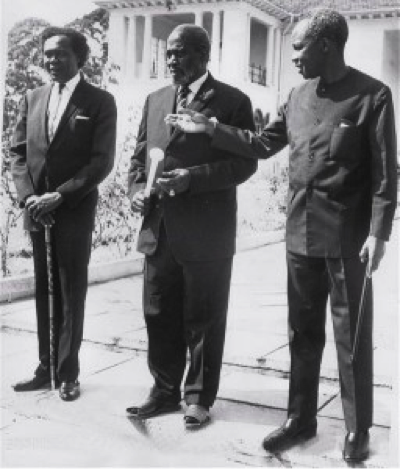
The concept of regional integration in East Africa traces its origins to the colonial era, when early attempts at cooperation were driven by administrative convenience under British rule. The establishment of the East African High Commission (EAHC) in 1948 marked one of the first formal efforts toward institutionalized collaboration among Kenya, Uganda, and Tanganyika (now Tanzania). This body oversaw shared services such as railways, harbors, and postal systems, laying a foundation for economic interdependence . However, these initiatives primarily served colonial interests rather than fostering genuine unity among the territories. Following independence, the newly sovereign states sought to build on this legacy through the Treaty for East African Cooperation signed in 1967, which led to the creation of the first East African Community (EAC). While ambitious in scope, this iteration ultimately collapsed in 1977 due to deep-seated political and economic disagreements, including ideological differences between Tanzania’s socialism and Kenya’s capitalism, alongside disputes over resource allocation and decision-making authority .
The dissolution of the first EAC underscored significant challenges that continue to resonate today, particularly regarding equitable economic contributions and national sovereignty. Lessons learned from this failure informed subsequent efforts to re-establish regional integration frameworks with greater emphasis on mutual benefit and institutional resilience. In 1999, the Treaty for the Establishment of the East African Community was signed by Kenya, Uganda, and Tanzania, heralding a new phase of cooperation. This treaty not only revived the EAC but also introduced structured mechanisms for deeper integration, including provisions for a Customs Union, Common Market, Monetary Union, and eventually a Political Federation . Each milestone represented incremental progress toward the overarching goal of unifying the region economically and politically.
A pivotal achievement came in 2005 with the implementation of the Customs Union, which streamlined trade procedures and reduced tariffs among member states. Building on this success, the EAC launched the Common Market Protocol in 2010, enabling free movement of labor, goods, services, and capital across borders. By 2013, the Monetary Union Protocol further advanced the agenda by proposing a single currency and harmonized fiscal policies—a cornerstone of future federation aspirations. These developments reflect the EAC’s commitment to overcoming structural barriers while addressing disparities in economic development among member states .
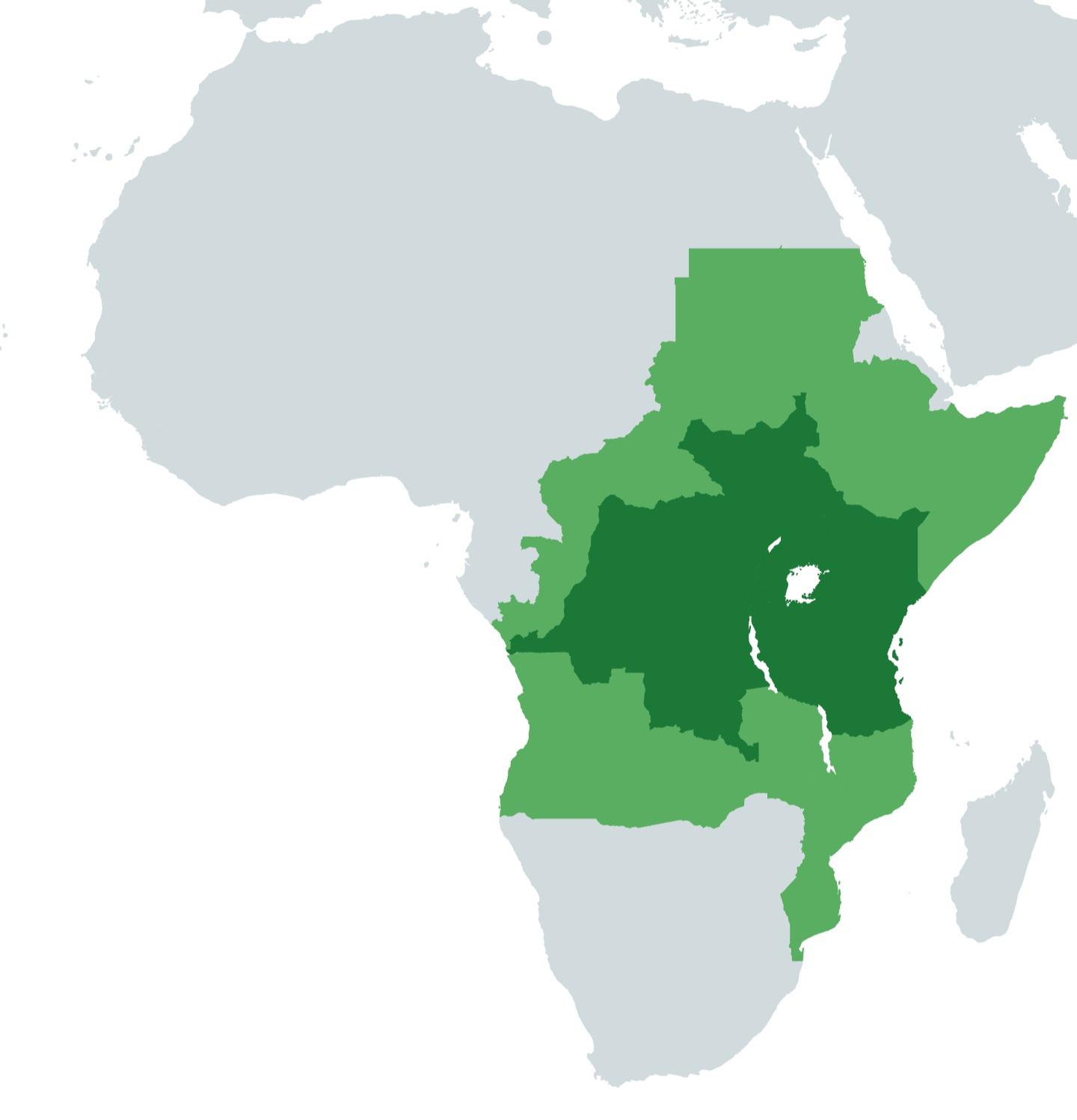
Recent years have witnessed notable expansions and advancements within the bloc. Notably, the admission of new member states, including the Democratic Republic of Congo (DRC) in 2022 and Somalia in 2024, underscores the EAC’s ambition to consolidate geopolitical influence across Eastern Africa . With eight partner states now part of the community, the EAC has become a larger and more diverse entity, though this growth introduces complexities in policy harmonization and consensus-building. For instance, Somalia’s accession aligns with broader objectives of promoting regional stability and economic interdependence, yet concerns persist about disparities in infrastructure, governance capacity, and security readiness among members . Additionally, ongoing drafting of a regional constitution since 2018 represents another critical step toward realizing the East African Federation. Although delayed by external factors like the COVID-19 pandemic, renewed momentum emerged in 2023 as consultations resumed, signaling determination to advance beyond the confederation stage .
These milestones collectively shape the current trajectory toward federation, reflecting both continuity and evolution in the pursuit of regional unity. Socio-cultural initiatives have complemented institutional reforms, fostering a sense of shared identity among East Africans. Programs promoting Kiswahili as a lingua franca and cross-border educational exchanges exemplify efforts to bridge cultural divides and enhance public awareness of integration benefits . Nevertheless, challenges remain, particularly concerning democratic governance structures and public perception. Disparities in electoral freedoms and civil liberties across member states highlight the need for robust legal frameworks to ensure equitable representation post-federation . Moreover, mixed sentiments toward deeper integration—ranging from urban elites’ support to rural skepticism—underscore the importance of grassroots engagement in building widespread buy-in for the federation vision.
Kenya’s Leadership in Advancing the East African Federation: Integration, Challenges, and Future Prospects
Kenya has emerged as a pivotal force in advancing the East African Community’s (EAC) integration agenda, particularly in its pursuit of a Political Federation. Since the re-establishment of the EAC in 1999, Kenya has consistently championed initiatives aimed at deepening regional cooperation, exemplified by its instrumental role in establishing the Customs Union in 2005 and hosting key summits that have shaped the bloc’s strategic direction . These efforts underscore Kenya’s commitment to fostering unity within the region while leveraging its economic prominence to drive collective progress.
Under President Uhuru Kenyatta, Kenya intensified its advocacy for expanding the EAC’s membership and institutional reforms, further solidifying its leadership role. For instance, Kenyatta actively supported the inclusion of Ethiopia and Comoros into the community, emphasizing the importance of a broader coalition to enhance regional stability and economic growth . Additionally, his administration advanced critical structural frameworks such as the establishment of the East African Monetary Institute, which lays the groundwork for a future monetary union—a crucial step toward federation. However, despite these strides, domestic support for federalization remains mixed. A 2021 survey revealed that only 34% of Kenyans were aware of the proposed federation, with 50% expressing disapproval. This highlights the need for targeted public awareness campaigns to build consensus and address skepticism surrounding the federation concept.
Kenya’s economic prominence within the EAC amplifies its influence on the federation agenda. As the largest economy in the region, Kenya accounted for approximately $108 billion of the EAC’s total GDP of $312.9 billion in 2023, significantly outpacing other member states . Moreover, Kenya serves as a central trade hub, facilitating intra-regional commerce and acting as a gateway for international investments. Its GDP per capita of $4,800 is among the highest in the bloc, underscoring its capacity to spearhead developmental projects and foster equitable resource distribution across the region. Economists predict that increased intra-regional trade facilitated by the African Continental Free Trade Area (AfCFTA) could propel the EAC’s combined GDP to $3.4 trillion by 2050, driven largely by Kenya, Tanzania, Uganda, and the Democratic Republic of Congo. Such projections highlight the transformative potential of deeper integration under Kenya’s stewardship.
Despite its leadership, Kenya faces significant challenges in advancing the federation agenda. Trade disputes and concerns over equitable resource distribution have occasionally strained relations among EAC member states. For example, historical distrust reminiscent of issues that led to the dissolution of the original EAC in 1977 persists, manifesting in accusations of unfair practices and periodic border closures . Furthermore, disparities in economic development levels among member states—such as Burundi’s relatively low GDP compared to Kenya’s robust economy—pose obstacles to achieving seamless integration. Addressing these imbalances requires not only institutional reforms but also sustained dialogue to build trust and ensure that less affluent members benefit equitably from shared initiatives.
The potential impact of Raila Odinga, Kenya’s former Prime Minister and a leading candidate for the African Union (AU) Commission chair in 2025, cannot be overlooked in the context of the East African Federation. If elected, Odinga could leverage his high-profile status and Kenya’s historical leadership in regional matters to galvanize support for deeper EAC integration. His campaign emphasizes bolstering the AU’s political clout, which aligns with promoting federalism within East Africa . Odinga’s tenure could prioritize policies fostering socio-political cohesion among EAC nations, thereby accelerating momentum toward realizing the federation concept. Additionally, his advocacy for self-sufficiency in regional projects amid shifting global dynamics underscores the urgency of developing internal mechanisms to sustain economic and political integration without over-reliance on foreign assistance.
Tanzania’s Pragmatic Stance on the Federation Concept within the East African Community
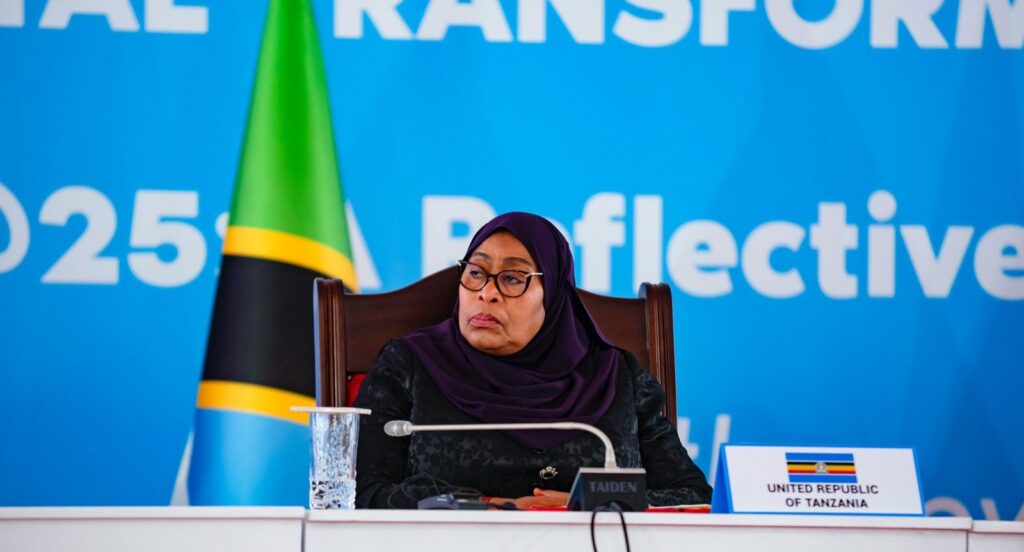
Tanzania’s engagement with the concept of a political federation within the East African Community (EAC) has been characterized by a delicate balancing act between cautious support and skepticism. This nuanced position is deeply rooted in the country’s historical commitment to Pan-African ideals, as championed by its first President, Mwalimu Julius K. Nyerere, who envisioned a united Africa but expressed reservations about the practical challenges of rapid regional integration . While Tanzania has consistently supported the EAC’s broader goals of fostering unity and shared governance, it has simultaneously prioritized safeguarding national sovereignty and ensuring equitable benefits for all member states. This dual approach underscores Tanzania’s pragmatic evaluation of the federation concept, reflecting both its aspirations for regional cohesion and its concerns about the potential risks of premature or uneven integration.
Tanzania’s foundational role in the EAC’s modern iteration is evident in its participation in key treaties, such as the 1967 ‘Treaty for East African Cooperation,’ which laid the groundwork for regional collaboration even before the EAC’s re-establishment in 1999 . The 1999 Treaty, signed by Kenya, Uganda, and Tanzania, formalized the EAC’s objectives, including the establishment of a Customs Union, Common Market, Monetary Union, and ultimately a Political Federation . Tanzania’s adherence to the treaty’s principles of democracy, human rights, and mutual trust highlights its commitment to ensuring that any steps toward deeper integration align with universally accepted governance standards. However, this commitment has been tempered by a cautious approach, particularly in areas requiring significant compromises of national sovereignty, such as monetary union and political federation . This cautiousness reflects broader debates within the EAC about the feasibility of achieving seamless integration across diverse economies and political systems.
One notable example of Tanzania’s measured approach is its involvement in adopting the Political Confederation model as a transitional step toward full federation, endorsed by EAC Heads of State in 2017 . This decision marked a pivotal shift in the EAC’s integration agenda, providing a structured pathway for member states to gradually cede sovereignty while addressing lingering concerns about economic imbalances and public perception . Tanzania’s support for this incremental model underscores its preference for gradual implementation, allowing time to build trust and address disparities among member states. This approach aligns with Tanzania’s broader strategy of emphasizing institutional reforms aimed at strengthening peace, security, and good governance across the bloc . By prioritizing these foundational elements, Tanzania seeks to ensure that any progress toward a political federation is sustainable and inclusive, rather than rushed or superficial.
Tanzania’s proactive yet measured stance is further illustrated by its engagement in initiatives outside traditional political frameworks, such as its participation in the 2025 ID4Africa Annual General Meeting (AGM) . Represented by Edson GUYAI from the National Identification Authority (NIDA), Tanzania showcased its commitment to leveraging digital identity systems as tools for enhancing governance and fostering cross-border cooperation . This engagement demonstrates Tanzania’s willingness to embrace innovative solutions while maintaining a cautious approach to sovereignty-sensitive areas like monetary union and political federation. For instance, discussions at the AGM on avoiding vendor lock-in and promoting open markets resonate with the EAC’s need to harmonize policies among member states . Tanzania’s experience with digital identity systems could serve as a model for addressing disparities in policy implementation across the EAC, highlighting the country’s balanced approach to regional integration.
Uganda’s Role and Contributions to the East African Federation Agenda
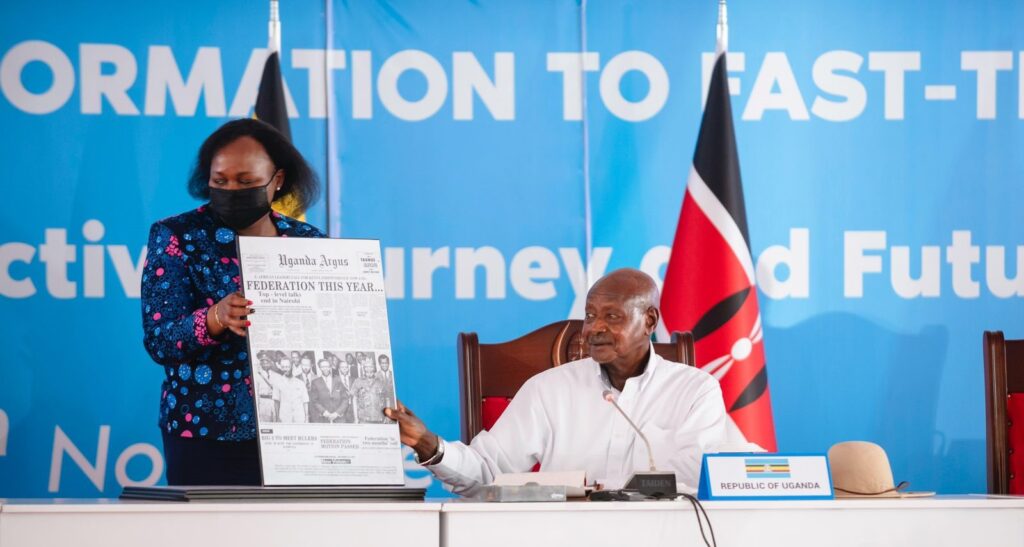
Uganda has emerged as a proactive advocate for advancing the East African Community’s (EAC) vision of a political federation, playing a pivotal role in fostering dialogue around shared governance frameworks. This commitment was notably demonstrated through national consultations that commenced in April 2021, marking a significant step toward realizing the federation concept . These consultations reflect Uganda’s leadership in addressing hesitations about ceding autonomy while balancing national sovereignty with collective decision-making. The proposed confederation model under discussion emphasizes retaining individual state control over critical matters while promoting deeper collaboration across governance structures. This initiative aligns with broader reforms aimed at harmonizing policies among EAC partner states, particularly in areas such as trade and immigration, which are foundational to achieving a unified federal structure .
At the heart of Uganda’s contributions lies its steadfast adherence to the principles outlined in the 1999 Treaty for the Establishment of the East African Community. Specifically, Articles 5 and 123 underscore Uganda’s dedication to socio-economic development and regional integration, serving as cornerstones of its engagement with the federation agenda . Article 5 commits Uganda to creating an enabling environment for investment and private sector growth, reinforcing the importance of economic stability as a precursor to political unity. Similarly, Article 123 establishes common foreign and security policies, highlighting Uganda’s recognition of the interconnectedness between domestic progress and regional cooperation. Public statements by Ugandan leadership have consistently underscored the importance of collective decision-making and sustainable growth, framing these objectives as essential to fostering long-term prosperity within the EAC . Such declarations not only reaffirm Uganda’s alignment with the treaty’s goals but also position the country as a champion of equitable development and mutual benefit.
Beyond policy commitments, Uganda has actively spearheaded cross-border initiatives designed to cultivate unity and strengthen regional ties. Educational exchanges and cultural programs stand out as exemplars of Uganda’s efforts to promote socio-cultural cohesion. For instance, institutions like Delight Technical College facilitate student exchange programs that bring together participants from Rwanda, Uganda, Tanzania, and other EAC nations. These programs emphasize cultural immersion, enabling students to engage with diverse languages, traditions, and customs while improving their proficiency in Kiswahili—the lingua franca of East Africa . By fostering tolerance and mutual understanding, such initiatives directly support the EAC’s goal of building a shared regional identity. Moreover, they create professional networks that transcend national boundaries, contributing to job creation, business collaborations, and economic growth across the region .
In addition to educational exchanges, Uganda’s cultural programs further reinforce the spirit of unity envisioned by the federation agenda. These initiatives often focus on celebrating shared heritage and addressing common challenges through collaborative projects. For example, students participating in exchange programs frequently collaborate on sustainability-focused projects, leveraging diverse perspectives to develop innovative solutions . Upon returning to their home countries, participants apply newfound knowledge and skills to transform local economies, particularly in sectors such as technology, fashion, and entrepreneurship. This impact underscores the transformative potential of educational mobility as a tool for sustainable development, aligning seamlessly with the EAC’s objectives of economic integration and people-to-people connections.
Reflecting on Uganda’s strategic vision for regional stability and cooperation reveals a nuanced approach that balances pragmatism with ambition. While the country acknowledges the complexities inherent in transitioning to a political federation, it remains committed to addressing these challenges through incremental reforms and inclusive dialogue. Uganda’s emphasis on socio-economic development, coupled with its leadership in fostering cross-border initiatives, positions it as a key architect of the EAC’s integration agenda. However, gaps remain in fully understanding the extent to which external stakeholders, such as development partners and international organizations, influence Uganda’s stance on the federation. Further research is warranted to explore how global dynamics might shape Uganda’s future contributions to this evolving framework . Ultimately, Uganda’s actions serve as a testament to its belief in the transformative power of regional cooperation, offering valuable lessons for other member states navigating the path toward a unified East African federation.
Socio-Cultural Integration Efforts in East Africa: Progress and Challenges
The socio-cultural integration of East African nations remains a cornerstone for fostering unity and building a cohesive regional identity, particularly as the East African Community (EAC) progresses toward deeper political and economic integration. Central to these efforts are initiatives aimed at promoting shared languages, facilitating educational exchanges, and leveraging digital infrastructure to bridge divides across urban and rural populations. These endeavors not only address cultural and linguistic diversity but also align with broader goals of creating an inclusive and interconnected East African Federation .
One of the most prominent socio-cultural initiatives is the promotion of Swahili as a lingua franca across the region. Swahili, already widely spoken in Tanzania, Kenya, and Uganda, serves as a unifying linguistic feature that transcends national borders. By adopting Swahili as an official working language alongside English, the EAC seeks to enhance communication and mutual understanding among its member states. This initiative is particularly significant given the diverse ethnic and linguistic composition of the region, where over 100 languages are spoken. Public opinion surveys indicate that Tanzanians exhibit higher approval rates for policies enabling free movement of people, goods, and services, partly due to their familiarity with Swahili as a shared medium of interaction . However, challenges persist in regions where Swahili is less prevalent, necessitating robust awareness campaigns and educational programs to ensure widespread adoption.
In addition to linguistic initiatives, cross-border educational programs play a pivotal role in fostering socio-cultural cohesion. Institutions like Delight Technical College have implemented student exchange programs that facilitate cultural immersion and mutual understanding among participants from Rwanda, Uganda, Tanzania, and other EAC countries . These programs emphasize practical experiences, enabling students to adapt to diverse work environments and improve their proficiency in Swahili. Beyond language acquisition, the exchanges foster professional networks that transcend national boundaries, contributing to job creation, business collaborations, and economic growth within the region. For instance, students often secure internships or job placements abroad, gaining marketable skills that enhance their employability in the globalized job market . Furthermore, collaborative projects addressing regional challenges—such as sustainability, technology, and entrepreneurship—encourage innovation and entrepreneurial thinking, equipping graduates with the tools needed to drive cross-border ventures.
Digital infrastructure projects represent another critical dimension of socio-cultural integration efforts in East Africa. The Eastern Africa Regional Digital Integration Project (EARDIP), launched under the broader EAC e-Commerce Strategy, aims to create a harmonized legal and regulatory environment for electronic transactions, data protection, and cybercrime . By investing in high-speed cross-border broadband connectivity and enhancing the interoperability of regional payment systems, EARDIP bridges the urban-rural divide, empowering marginalized communities to participate in the digital economy. Reliable digital access in remote areas not only fosters economic inclusion but also strengthens socio-cultural ties by enabling individuals to engage in online platforms that promote shared values and collective problem-solving . Additionally, capacity-building initiatives targeting digital skills development ensure that entrepreneurs, government officials, and law enforcement agencies are equipped to thrive in the digital marketplace. Such efforts address disparities in digital literacy, particularly among women, youth, and rural traders, thereby fostering inclusivity and preparing the workforce for a federated East African economy.
Despite these advancements, public awareness and support for the East African Federation remain low, posing significant challenges to socio-cultural integration. Surveys conducted in member states reveal varying levels of awareness and ambivalence toward the federation’s goals. For example, a 2012 survey in Tanzania showed that a large portion of the population was unaware of ongoing integration efforts, with minimal improvement even after achieving milestones like the Common Market . To build public consensus, the EAC must prioritize awareness campaigns that highlight the benefits of regional unity, such as increased intra-regional trade, standardized fiscal policies, and a unified currency. These campaigns should leverage traditional media, social platforms, and community engagement strategies to reach diverse audiences and address skepticism rooted in historical distrust and economic disparities .
Legal Frameworks and Institutional Reforms for the Establishment of the East African Federation
The establishment of a fully functional East African Federation (EAF) hinges significantly on the development and reform of legal frameworks, as well as the harmonization of governance structures across its member states. This process involves addressing critical areas such as trade, immigration, monetary union, and democratic governance, while also drawing lessons from international case studies where similar federations were successfully formed . The absence of uniform legal and institutional mechanisms has been identified as a major barrier to progress, necessitating comprehensive reforms tailored to the unique socio-political and economic dynamics of the East African Community (EAC).
One of the primary areas requiring expansion or reform is trade policy harmonization. The EAC Customs Union and Common Market Protocols represent foundational achievements in facilitating intra-regional trade. However, disparities persist in tariff structures, non-tariff barriers, and regulatory standards among member states, undermining the efficiency of these frameworks . For instance, while Kenya and Tanzania have relatively advanced industrial bases, countries like Burundi and South Sudan face significant challenges due to weaker economies and infrastructure deficits. Bridging these gaps will require not only revising existing agreements but also implementing robust enforcement mechanisms to ensure compliance. Furthermore, the adoption of a single currency under a monetary union remains a long-term goal, contingent upon aligning fiscal policies and addressing macroeconomic imbalances across the region . Lessons from the European Union’s Eurozone highlight the importance of stringent convergence criteria and centralized oversight to mitigate risks associated with monetary integration.
Immigration policies constitute another critical domain demanding reform. Free movement of people—one of the core tenets of regional integration—has encountered resistance due to concerns over security, employment competition, and cultural differences . Harmonizing visa regimes, labor migration rules, and cross-border travel protocols would enhance mobility while fostering socio-cultural cohesion. Tanzania’s relatively high approval rates for free movement initiatives contrast sharply with skepticism in other member states, underscoring the need for targeted awareness campaigns to build public support . Additionally, establishing a unified framework for citizenship rights within the federation could help alleviate fears related to national identity and sovereignty.
Democratic governance represents yet another area requiring urgent attention. A notable gap identified in current EAC laws pertains to the lack of uniform democratic norms across member states. Countries like Rwanda exhibit limited electoral freedoms compared to Kenya and Tanzania, which score higher on Freedom House metrics . Such discrepancies raise concerns about merging anti-democratic establishments and pose potential risks to equitable representation post-federation. Addressing this issue will entail instituting safeguards to protect civil liberties, promote transparency, and ensure accountability at both national and regional levels. Drawing from the experiences of the United States and India, where federal systems coexist with diverse political cultures, the EAC can adopt best practices such as independent judiciary systems and decentralized governance models to balance unity with diversity .
International case studies offer valuable insights into overcoming structural challenges inherent in forming federations. The unification of Germany in 1990 provides an instructive example of integrating disparate economies and political systems through phased approaches and inclusive dialogue . Similarly, the creation of the United Arab Emirates in 1971 demonstrates how shared values and mutual interests can transcend individual state priorities to forge a cohesive federation. Applying these lessons to the EAC context, extensive consultations involving all stakeholders—from government officials to grassroots communities—are essential to building consensus and fostering trust. The Wako Committee’s feasibility report and subsequent national dialogues between 2006 and 2008 exemplify successful participatory strategies that could be replicated or expanded .
Despite ongoing reforms within EAC bodies, several gaps hinder progress toward federation. Economic disparities remain pronounced, with Burundi’s GDP being significantly lower than Kenya’s, posing challenges for equitable resource distribution and shared prosperity . Ethnic and cultural divisions further complicate integration efforts, as evidenced by low levels of social cohesion reported in qualitative studies . To address these issues, policymakers must prioritize inclusive decision-making processes that account for marginalized groups and promote intercultural understanding. Initiatives such as adopting Swahili as a lingua franca and promoting cross-border educational programs can play pivotal roles in fostering a shared East African identity .
Economic Advantages and Global Influence of a Unified East African Federation
The concept of an East African Federation (EAF) has long been heralded as a transformative step toward regional integration, with profound implications for economic development and geopolitical influence. A unified federation comprising the eight member states of the East African Community (EAC)—Burundi, the Democratic Republic of the Congo (DRC), Kenya, Rwanda, Somalia, South Sudan, Tanzania, and Uganda—would create a single market of approximately 343 million people, with a combined GDP (PPP) of $1.027 trillion as of 2024 . This immense economic potential underscores the opportunities for increased intra-regional trade, GDP growth, and enhanced global standing. The realization of such a federation would not only consolidate the region’s economic power but also position it as a key player on the global stage.
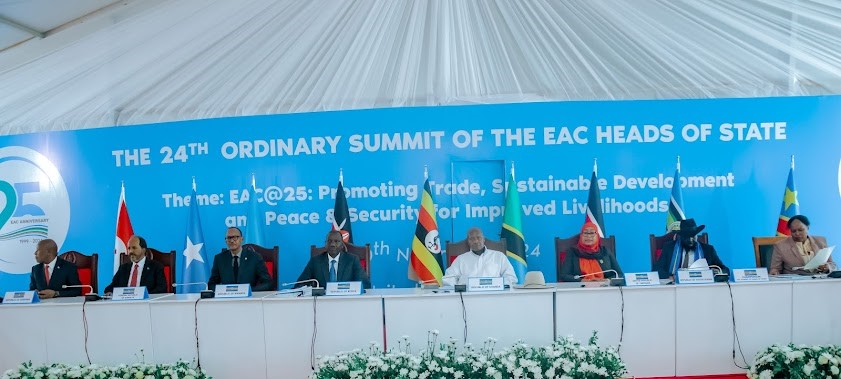
One of the most compelling economic benefits of a unified East African Federation is the anticipated surge in intra-regional trade. Currently, intra-EAC trade accounts for less than 20% of total trade, a figure that lags behind other regional blocs like the European Union (EU) or the Association of Southeast Asian Nations (ASEAN). However, under a fully integrated market, economists predict a significant increase in trade volumes driven by the removal of non-tariff barriers, streamlined customs procedures through initiatives like the Single Customs Territory (SCT), and the adoption of standardized fiscal policies . For instance, the SCT aims to simplify cross-border trade by harmonizing customs processes, which could reduce transaction costs and improve efficiency. Furthermore, the establishment of a common market and eventual monetary union would eliminate exchange rate risks and currency conversion costs, making transactions smoother and more predictable. These measures are expected to catalyze economic activity, particularly in sectors such as manufacturing, agriculture, and services, thereby contributing to sustained GDP growth .
The economic forecasts for the EAC under scenarios inspired by the African Continental Free Trade Area (AfCFTA) further reinforce these projections. By 2050, the EAC’s combined GDP could reach $3.4 trillion, representing a 123% increase over baseline projections . This growth would be fueled by expanded manufacturing bases, improved governance frameworks, and the diversification of service sectors. Economists suggest that leveraging competitive advantages in agro-processing industries initially could pave the way for higher-value products, fostering sustainable prosperity across the region. For example, countries like Kenya and Uganda, which have relatively advanced agricultural sectors, could serve as hubs for agro-processing, while the DRC’s vast mineral resources could support industrialization efforts. Such collaborative strategies would not only enhance productivity but also ensure that less economically developed members, such as Burundi and South Sudan, benefit equitably from the federation’s economic gains .
A comparison of East Africa’s prospects with successful federations like the EU highlights the potential advantages of adopting a single currency and standardized fiscal policies. The eurozone’s experience demonstrates how a common currency can foster economic interdependence and stability, facilitating seamless trade and investment flows among member states. Similarly, the introduction of a shared currency in the EAF could eliminate exchange rate complexities, encourage foreign direct investment (FDI), and simplify external investments. However, disparities in economic development among EAC member states must be addressed to ensure equitable participation in this financial system. For instance, Kenya’s GDP per capita ($4.8K) far exceeds that of Burundi, underscoring the need for targeted interventions to bridge these gaps . Lessons from the EU also emphasize the importance of robust governance structures and institutional reforms to support deeper cooperation, aligning with the EAC’s ongoing efforts to strengthen peace, security, and good governance across the bloc .
Beyond economic benefits, the geopolitical implications of a unified East African Federation are equally significant. As a cohesive entity, the EAF would wield considerable influence on the global stage, particularly in multilateral forums such as the United Nations and the World Trade Organization. Its strategic location, bridging the Indian Ocean and Central Africa, positions it as a critical player in international trade routes and energy corridors. Moreover, the federation’s collective bargaining power would amplify its voice in negotiations over trade agreements, climate change, and development aid. For example, the inclusion of the DRC—a resource-rich nation central to global supply chains—enhances the bloc’s geopolitical significance. Similarly, Somalia’s accession underscores the EAC’s ambition to foster regional stability and economic interdependence, despite challenges related to infrastructure, governance, and security capacities .
The socio-cultural dimensions of integration further bolster the case for a unified federation. Initiatives promoting Kiswahili as a unifying official language and fostering cross-border educational programs exemplify efforts to strengthen regional identity and cohesion. A shared linguistic foundation could facilitate smoother communication on regional issues, enhancing collaboration among citizens and governments. Additionally, the introduction of a single passport for East African citizens symbolizes progress toward deeper integration, simplifying travel and reinforcing a sense of belonging within the community. Such measures not only promote cultural understanding but also lay the groundwork for broader acceptance of federation ideals among East Africans .
Conclusion: Progress, Challenges, and the Path Forward
The journey towards the realization of the East African Federation (EAF) has been marked by significant milestones, persistent challenges, and evolving strategies. Below is a synthesis of the progress made, ongoing efforts, primary obstacles, and potential benefits of achieving this ambitious goal.
| YEAR | EVENT | IMPLICATION |
| 1967 | Establishment of the first East African Community (EAC) | Initial attempt at regional integration, later dissolved in 1977 due to ideological differences |
| 1999 | Re-establishment of the EAC through the Treaty for East African Cooperation | Renewed commitment to regional integration, laying the foundation for future federation plans |
| 2005 | Launch of the Customs Union | Elimination of internal tariffs and common external tariff policy, boosting intra-regional trade |
| 2010 | Implementation of the Common Market Protocol | Facilitated free movement of goods, labor, services, and capital among member states |
| 2017 | Adoption of the Political Confederation as a transitional step toward federation | Demonstrated leadership determination despite lingering challenges |
| 2022-2024 | Admission of new members: DRC, Somalia | Expansion underscores ambition but introduces complexities in harmonizing policies |
| 2025 | Ongoing drafting of a regional constitution | Indicates renewed momentum toward confederation before full federation |
Currently, several initiatives are underway to advance the federation agenda. These include the implementation of the Single Customs Territory (SCT), the pursuit of a single currency by 2033, and institutional reforms aimed at enhancing administrative efficiency . However, numerous challenges persist, which are summarized in the table below:
| CHALLENGE | DESCRIPTION | IMPACT |
| Economic Disparities | Significant differences in GDP and development levels among member states | Hinders equitable resource distribution and creates mistrust among nations |
| Political Instability | Frequent disputes over sovereignty and governance | Delays decision-making processes and slows down integration efforts |
| Public Awareness and Support | Low levels of awareness and mixed public sentiment regarding federation | Reduces grassroots enthusiasm and complicates referendum or electoral processes |
| Institutional Weaknesses | Gaps in implementing regional commitments and aligning governance structures | Prevents seamless transition to federal systems and exacerbates existing disparities |
Despite these challenges, the potential benefits of achieving the East African Federation are substantial. Economically, a unified market of 343 million people with a combined GDP of $1.027 trillion could significantly boost intra-regional trade and attract multinational corporations. Socially, initiatives promoting Kiswahili as a unifying language and cross-border educational programs aim to foster a shared regional identity.
In conclusion, while the journey toward the East African Federation has seen considerable progress, it remains fraught with obstacles that require careful navigation. Continued focus on addressing economic imbalances, fostering public support, and strengthening institutional frameworks will be crucial to realizing this transformative vision.